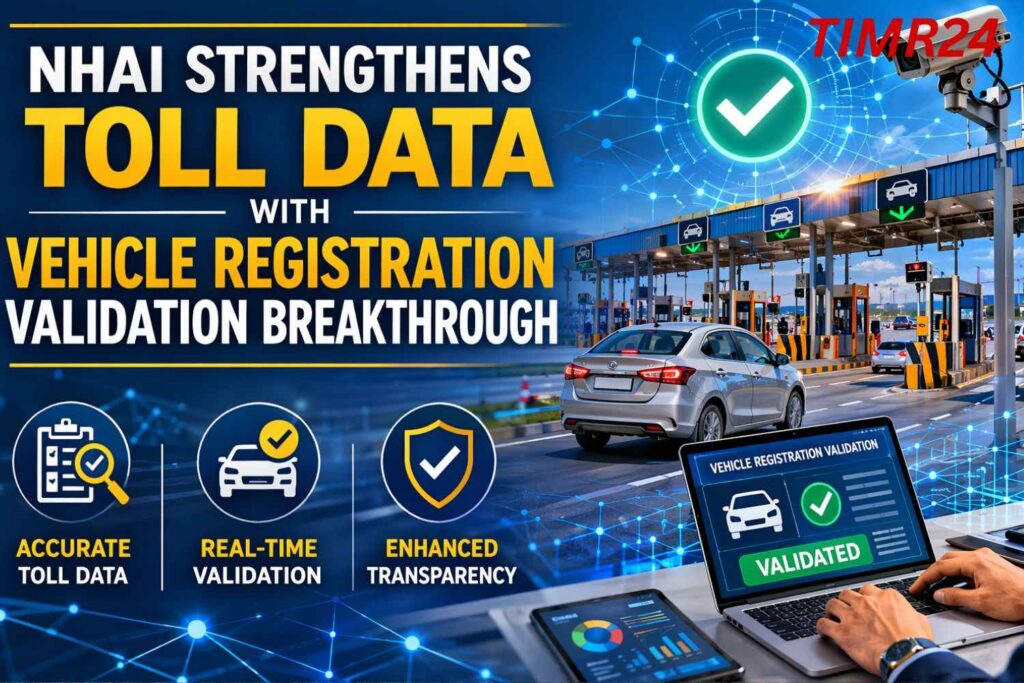
In response to inaccuracies in the Electronic Toll Collection (ETC) system, the National Highway Authority of India (NHAI) has instructed all FASTag Issuer Banks to validate Vehicle Registration Numbers (VRNs) linked with their FASTags. Complaints have surfaced concerning mismatches between VRNs captured by FASTag readers and those on vehicle number plates, which could compromise enforcement and lead to government revenue loss, as well as penalties under the Motor Vehicles Act, 1988. Many discrepancies are noted in FASTags issued before integration with the VAHAN database, which had limited validation processes. NHAI highlights the importance of accurate.
Precise Vehicle Identification Consequently,
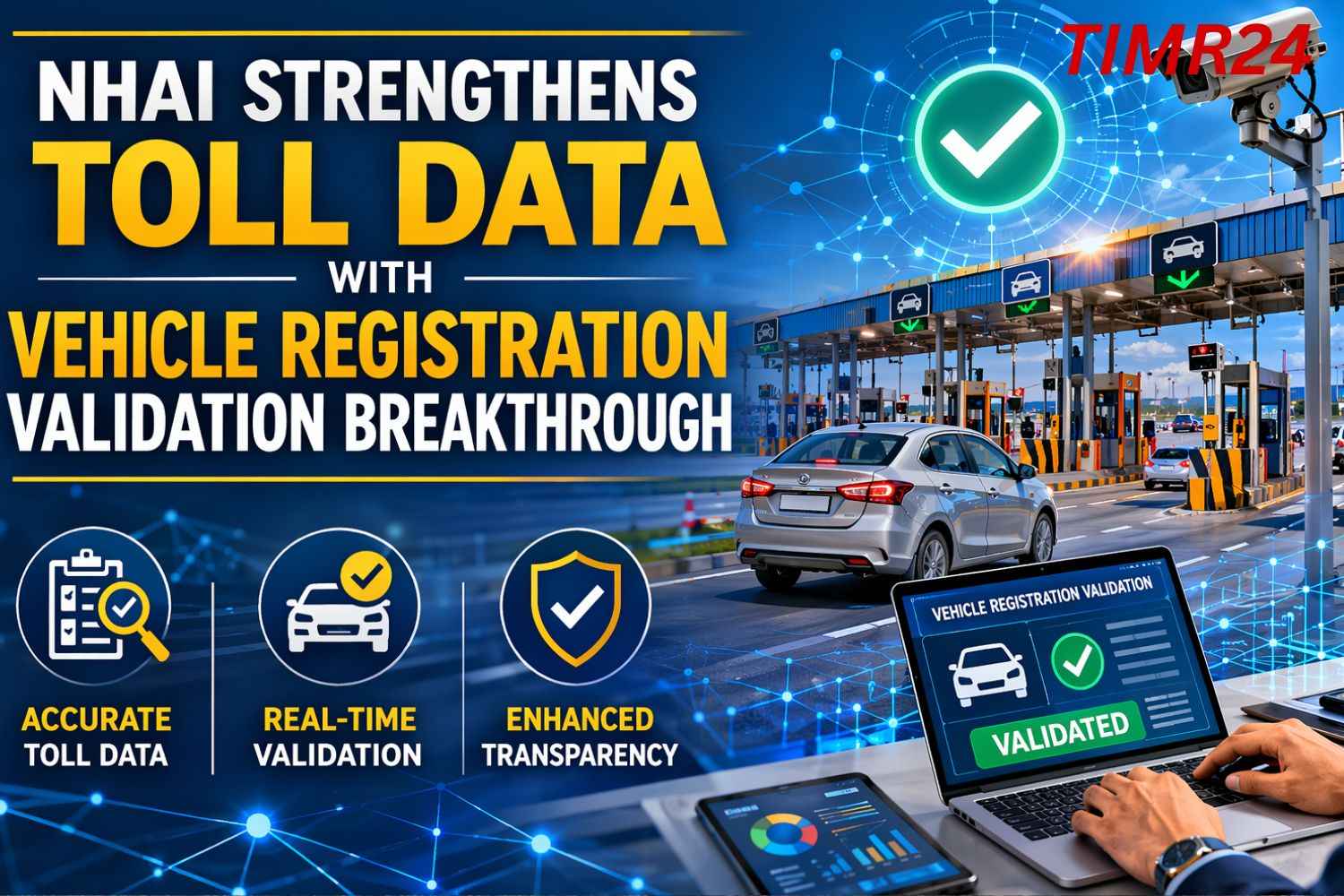
VRN mapping for upcoming initiatives like Multi-Lane Free Flow (MLFF) tolling, where enforcement actions will rely on precise vehicle identification. Consequently, banks must verify and blacklist FASTags with invalid VRNs, reinforcing compliance and operational efficiency within the ETC system, and enhancing user experience on national highways The National Highways Authority of India has taken a significant step toward enhancing the efficiency and reliability of India’s toll collection ecosystem by introducing a vehicle registration validation system. This initiative is not just a technical upgrade but a strategic move aimed at addressing long-standing issues in toll data management.
Including inaccuracies, duplication, and fraudulent entries. With the rapid expansion of national highways and increasing reliance on digital tolling systems like FASTag, maintaining high-quality data has become critical for seamless operations and user trust The new validation framework focuses on verifying vehicle registration numbers at multiple checkpoints within the tolling ecosystem. By integrating official vehicle databases with toll systems, NHAI ensures that every transaction is backed by authentic and verified data. This eliminates the possibility of incorrect vehicle identification, which has often been a source of disputes and operational inefficiencies.
Electronic Toll Collection While FASTag
For daily commuters and logistics operators, this means fewer errors in toll deductions and a smoother travel experience across highways One of the primary drivers behind this initiative is the growing dependence on FASTag-based electronic toll collection. While FASTag has significantly reduced congestion at toll plazas and improved transaction speed, it also relies heavily on accurate backend data. Any mismatch in vehicle registration details can lead to incorrect charges or failed transactions. By strengthening data validation, NHAI is reinforcing the backbone of the FASTag ecosystem, ensuring that digital tolling continues to deliver on its promise of convenience and efficiency.
From an operational perspective, this move will also benefit toll operators and concessionaires. Accurate data enables better revenue tracking, reduces leakage, and enhances overall system transparency. It also allows authorities to generate reliable analytics, which can be used for traffic planning, infrastructure development, and policy-making. In the long term, such data-driven insights can contribute to smarter highway management and improved resource allocation Another important aspect of this initiative is its role in curbing fraudulent activities. In the past, instances of fake or duplicate vehicle registrations have led to revenue losses and operational challenges.
India As Country Moves Toward Smart Mobility
By implementing strict validation protocols, NHAI is closing these loopholes and ensuring that only genuine vehicles are processed within the system. This not only protects revenue but also strengthens the credibility of the tolling framework The impact of this system (India) extends beyond toll plazas to the broader vision of intelligent transport systems in India. As the country moves toward smart mobility solutions, the need for accurate and real-time data becomes increasingly important. Vehicle registration validation is a foundational element in this transformation, enabling better integration of various transport technologies, including automated traffic management.
GPS-based tolling, and future innovations in connected mobility For commuters, the benefits are immediate and tangible. Reduced waiting times, fewer transaction errors, and enhanced transparency contribute to a more user-friendly experience. In addition, the reduction in disputes means less time spent resolving issues and more confidence in the system. This is particularly important for commercial vehicle operators, for whom efficiency and reliability directly impact business operations The initiative also aligns with the government’s broader push toward digital governance and infrastructure modernization. By leveraging technology to improve data accuracy.
Validated Vehicle Data Opens Up New Possibilities
NHAI is setting a benchmark for other sectors to follow. It demonstrates how targeted interventions in data management can lead to significant improvements in service delivery and operational efficiency Moreover, the integration of validated vehicle data opens up new possibilities for innovation in the transport sector. For example, it can support dynamic pricing models, better enforcement of traffic regulations, and enhanced safety measures. Accurate data can also facilitate the development of advanced applications, such as real-time traffic monitoring and predictive maintenance of highways Despite its advantages, the success of this initiative will depend on.
Effective implementation and continuous monitoring. Ensuring seamless integration with existing systems, maintaining data privacy, and addressing technical challenges will be key factors in achieving the desired outcomes. NHAI’s proactive approach in this regard reflects its commitment to building a robust and future-ready tolling infrastructure the introduction of vehicle registration validation by NHAI marks a crucial step in the evolution of India’s tolling ecosystem. It addresses critical challenges.
Enhances system reliability, and supports the transition toward smart and digital mobility solutions. As the initiative gains momentum, it is expected to (India) deliver long-term benefits for all stakeholders, including commuters, operators, and policymakers. By prioritizing data accuracy and transparency, NHAI is not only improving current operations but also laying the foundation for a more efficient and intelligent transport network in the years to come.
Q1. What is NHAI’s new toll data validation system?
It is a mechanism to verify vehicle registration numbers to ensure accurate toll collection data.
Q2. Why is vehicle registration validation important?
It reduces fraud, eliminates duplicate records, and improves system transparency.
Q3. How does this impact FASTag users?
Users will experience smoother, faster toll payments with fewer errors.
Q4. Will this reduce toll disputes?
Yes, better data accuracy helps minimize incorrect charges and disputes.
Q5. Is this part of digital India initiatives?
Yes, it supports smart mobility and digital infrastructure goals.