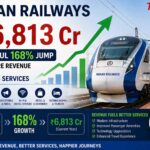






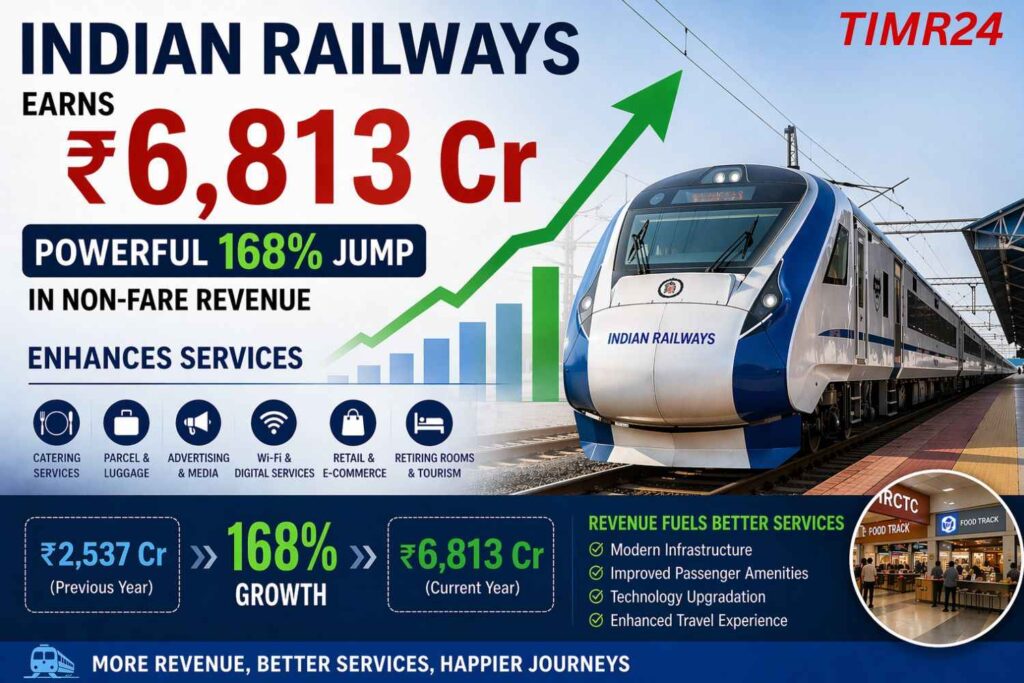
Indian Railways has improved its financial stability through record earnings from scrap sales, reaching Rs 6,813.86 crore in FY 2025–26, exceeding targets and following a strong FY 2024–25. Additionally, non-fare revenue significantly increased from Rs 290 crore in FY 2021–22 to Rs 777.76 crore the importance of alternative revenue streams. Revenue generation strategies include station redevelopment, advertising, and asset utilization, with funds reinvested in enhancing station amenities and passenger services. Key initiatives involve branded outlets, healthcare kiosks, and digital lounges, aimed at improving service quality while ensuring financial sustainability without fare hikes.
Organization’s Journey Toward Financial
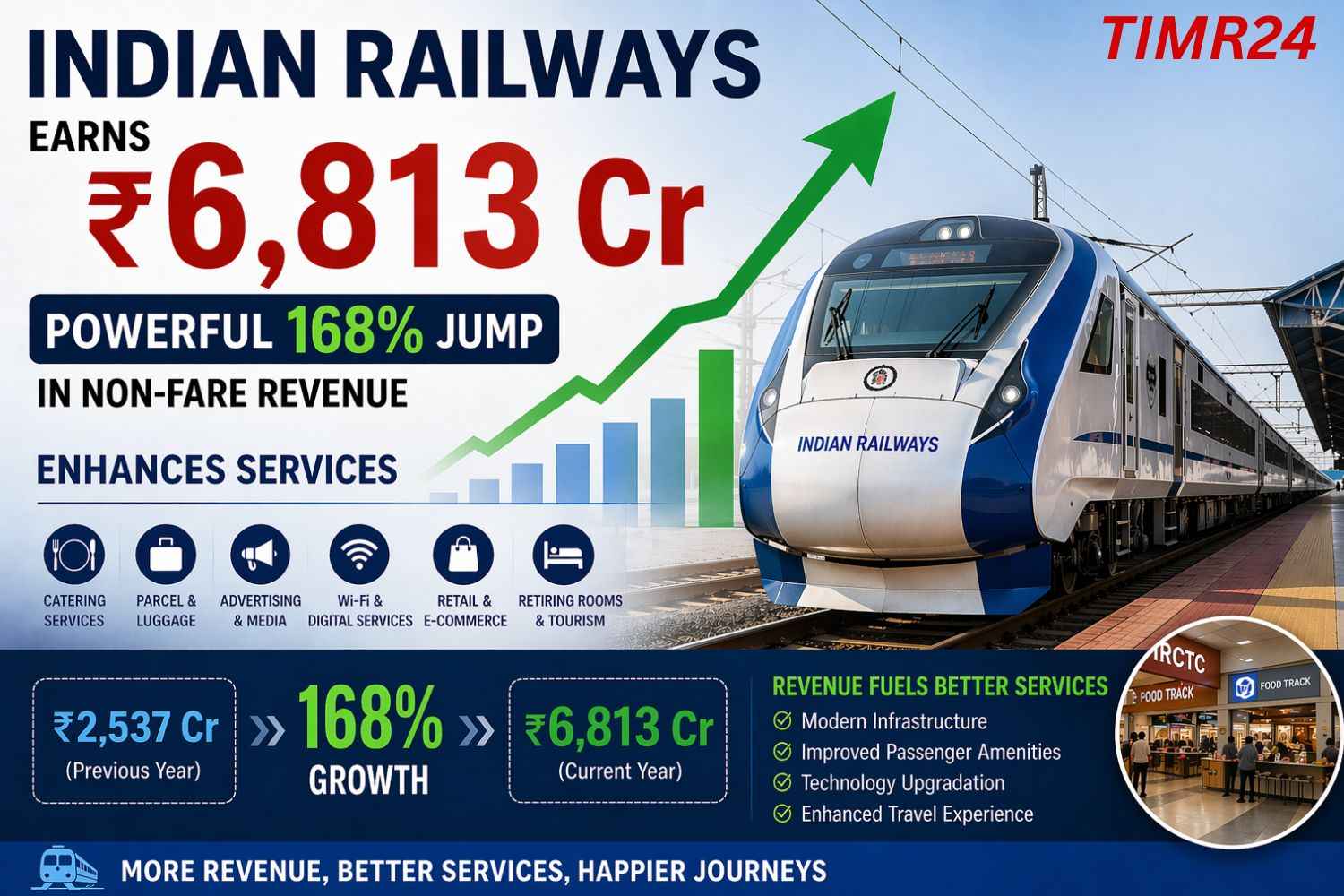
Indian Railways has once again demonstrated its evolving financial strategy by generating an impressive ₹6,813 crore through scrap sales, alongside a remarkable 168% growth in non-fare revenue. This development marks a significant milestone in the organization’s journey toward financial sustainability and operational efficiency. Traditionally reliant on passenger fares and freight charges, Indian Railways is now actively diversifying its income streams to reduce dependency on conventional revenue sources. This transformation is not only strengthening its financial foundation but also enabling the organization to invest more aggressively in passenger-centric improvements.
The concept of monetizing scrap might appear straightforward, but in the case of Indian Railways, it represents a large-scale, highly organized process. Over the years, the railway network has accumulated vast quantities of unused materials, including old tracks, decommissioned wagons, outdated signaling equipment, and redundant infrastructure components. Instead of allowing these assets to depreciate further, the railway authorities have adopted a systematic approach to auction and recycle them. This initiative has been supported by digital platforms, ensuring transparency and efficiency in the disposal process The result is a substantial revenue stream.
Station Redevelopment, Advertising Rights
That contributes directly to the organization’s financial health Beyond scrap sales, the surge in non-fare revenue highlights a broader strategic shift. Indian Railways has been actively exploring alternative income channels such as station redevelopment, advertising rights, leasing of railway land, and commercial utilization of railway assets. For instance, modern railway stations are being transformed into commercial hubs, integrating retail spaces, food courts, and entertainment zones. These developments not only generate additional revenue but also significantly enhance the passenger experience Another key factor driving this growth is the increasing adoption of public-private partnerships (PPP).
By collaborating with private entities, Indian Railways is able to leverage external expertise and investment, thereby accelerating project execution and improving service quality. These partnerships are particularly evident in station redevelopment projects, where private players are (India) given the opportunity to develop and manage commercial spaces in exchange for investment in infrastructure upgrades. This model ensures a win-win situation for both the railway authorities and private investors, while ultimately benefiting passengers The financial gains from scrap and non-fare revenue are being strategically reinvested into critical areas such as safety, technology, and infrastructure.
Tracking Systems Are Being Expanded
Indian Railways has been focusing on upgrading tracks, introducing advanced signaling systems, and deploying modern trains with enhanced safety features. Additionally, digital initiatives such as online ticketing platforms and real-time train tracking systems are being expanded to improve convenience for passengers One of the most significant advantages of increasing non-fare revenue is the ability to maintain affordable ticket prices. In a country like India, where millions of people rely on railways for daily commuting, keeping fares accessible is crucial. By generating income from alternative sources, Indian Railways can avoid frequent fare hikes while still maintaining and upgrading its services.
This approach aligns with the government’s broader objective of ensuring inclusive and affordable transportation for all citizens, the environmental impact of scrap recycling cannot be overlooked. By recycling old materials, Indian Railways is contributing to sustainability and reducing its carbon footprint. The reuse of metal and other materials minimizes the need for fresh resource extraction, thereby supporting eco-friendly practices. This initiative aligns with global sustainability goals and reinforces the organization’s commitment to responsible resource management.
Facilities, And Enhancing Operational Efficiency
The logistics and freight sector also stands to benefit from these financial improvements. With additional funds available, Indian Railways can invest in expanding freight corridors, improving cargo handling facilities, and enhancing operational efficiency. This, in turn, strengthens India’s supply chain network and supports economic growth Despite these achievements, challenges remain. Managing a vast network like Indian Railways requires continuous innovation and efficient resource allocation. Ensuring transparency in auctions, maintaining infrastructure quality, and balancing commercial interests with public service obligations are ongoing priorities.
Indian Railways Is Expected To Further
The recent success in generating revenue from scrap and non-fare sources indicates that the organization is moving in the right direction Indian Railways is expected to further expand its non-fare revenue initiatives. Opportunities such as digital advertising, data monetization, and integrated transport services hold significant potential for future growth. As urbanization continues and passenger demand increases, the need for sustainable and innovative revenue models will become even more critical. Indian Railways’ proactive approach in this regard sets a strong example for other public sector organizations.
The ₹6,813 crore revenue from scrap sales and the 168% surge in non-fare income reflect a transformative phase for Indian Railways. By effectively utilizing its assets and embracing new revenue streams, the organization is not only strengthening its financial position but also (India) enhancing the quality of services offered to passengers. This balanced approach of economic growth and public service ensures that Indian Railways remains a vital backbone of India’s transportation system, driving progress and connectivity across the nation.
Q1. How did Indian Railways earn ₹6,813 crore from scrap?
Through systematic disposal of old tracks, wagons, and unused materials via auctions and recycling initiatives.
Q2. What is non-fare revenue in railways?
It includes income from advertisements, leasing railway land, station redevelopment, and scrap sales.
Q3. Why is non-fare revenue important?
It reduces dependency on ticket pricing and helps fund infrastructure without burdening passengers.
Q4. How will this revenue benefit passengers?
Funds will be used for better facilities, modernization, improved safety, and enhanced services.
Q5. Is this growth sustainable?
Yes, with continued focus on asset monetization and public-private partnerships, revenue growth is expected to continue.