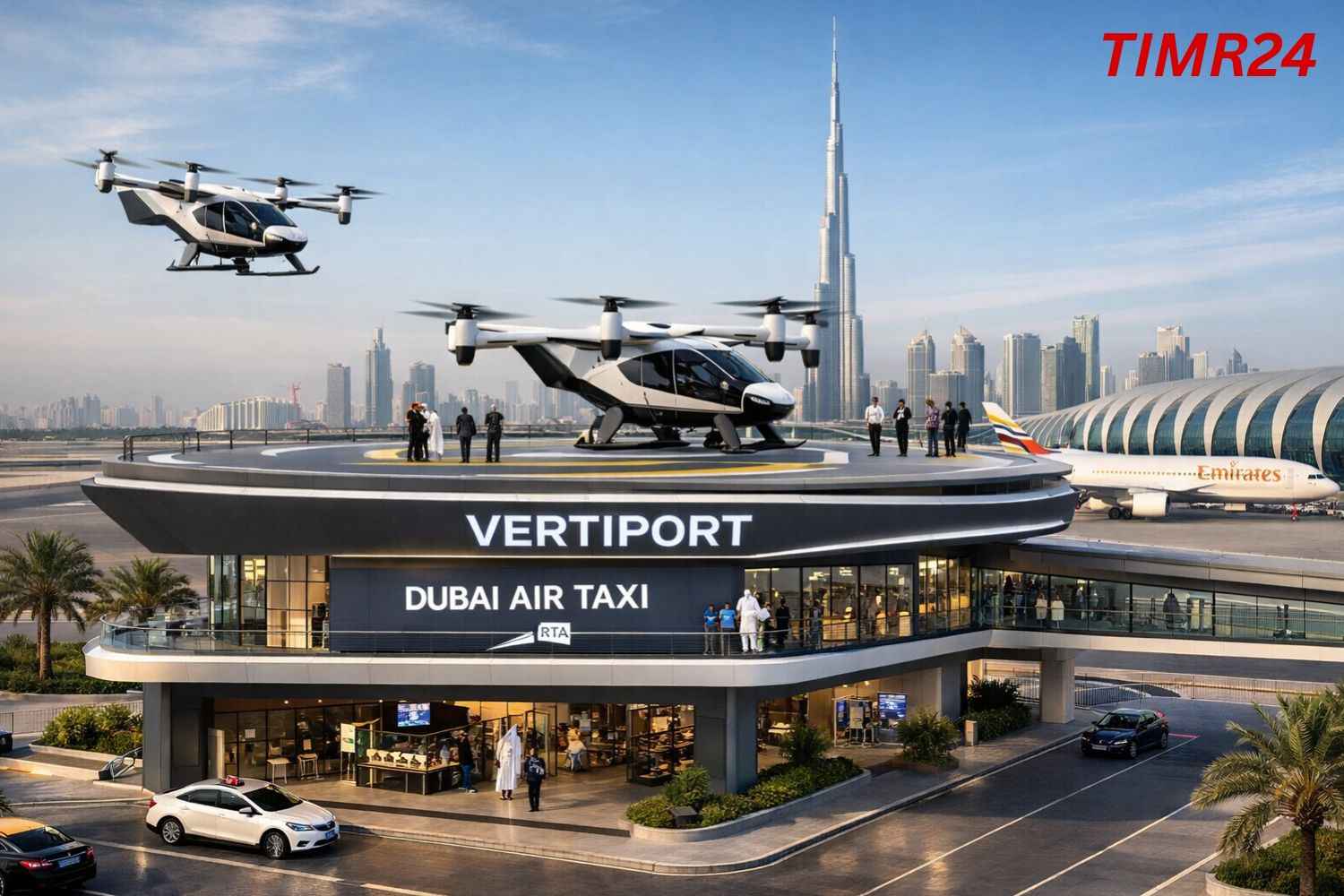

















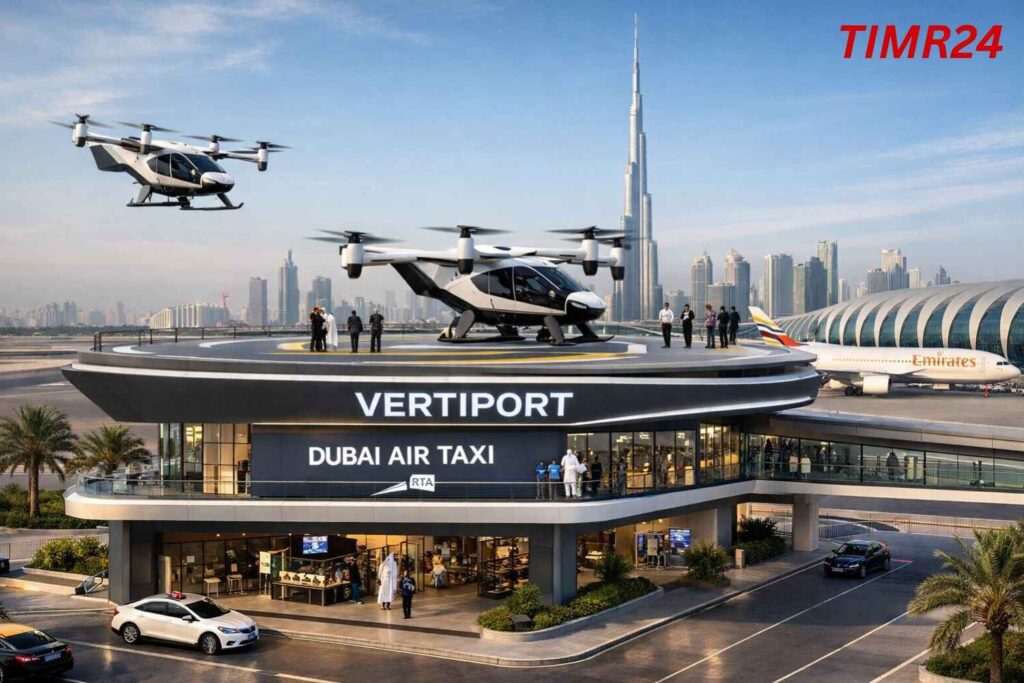
Dubai has inaugurated its first air taxi station near Dubai International Airport, a key advancement in launching electric air mobility services this year. Covering 3,100 square meters, the facility includes two landing pads, charging systems, parking, and climate-controlled areas, anticipated to serve 170,000 passengers annually. Developed by Skyports Infrastructure and Roads and Transport Authority, the service, operated by Joby Aviation, aims to reduce travel time significantly, with airport to Palm Jumeirah journeys taking about 10 minutes versus 45 minutes by road, promoting traffic-free urban transport and sustainable mobility solutions.
Infrastructure Projects And Forward Thinking
Dubai has once again positioned itself at the forefront of global innovation by completing its first air taxi station near the airport, marking a transformative moment in the evolution of urban transportation. Known for its ambitious infrastructure projects and forward-thinking governance, Dubai is now taking a significant leap into the future with the introduction of air taxis, a concept that was once considered science fiction but is now becoming a practical reality. This milestone reflects the city’s long-term vision of integrating advanced technologies into everyday life, aiming to solve urban challenges such as traffic congestion, travel inefficiency, and environmental concerns.
The newly completed air taxi station, strategically located near the airport, is designed to serve as a major hub for aerial mobility, enabling seamless transfers between international flights and urban destinations. This aligns with Dubai’s broader goal of enhancing its status as a global travel and business hub. By reducing travel time from the airport to key areas in the city, the air taxi system is expected to significantly improve passenger experience. For instance, routes that currently take 30–45 minutes by road could be reduced to just 10–15 minutes via air At the core of this initiative is the use of electric vertical takeoff and landing (eVTOL) aircraft, which are designed to.
Dubai’s Collaboration With Global Aviation
Operate quietly and produce zero direct emissions. This makes them an environmentally friendly alternative to traditional transportation methods. Dubai’s collaboration with global aviation innovators ensures that the technology meets safety and performance standards. Companies like Joby Aviation are playing a crucial role in bringing these aircraft to life, combining cutting-edge engineering with user-centric design. These aircraft are expected to carry a small number of passengers, offering a premium yet efficient travel experience that could redefine urban commuting The involvement of the Roads and Transport Authority highlights.
The government’s commitment to making this project a success. The authority has been actively working on regulatory frameworks, infrastructure planning, and operational guidelines to ensure a smooth rollout. This includes airspace management, safety protocols, (India) and integration with existing transportation network Dubai’s proactive approach in this regard sets an example for other cities aiming to adopt similar technologies Another important aspect of the air taxi project is its potential impact on the real estate and infrastructure sectors. The development of air taxi stations, also known as vertiports, is expected to influence property values and urban planning strategies.
System Aligns With Global Efforts To Reduce Carbon
Areas with direct access to these stations could see increased demand, as connectivity becomes a key factor in real estate decisions. This trend has been previously observed in developments around metro stations and major highways, and it is likely to be amplified with the introduction of aerial mobility From a sustainability perspective, the air taxi system aligns with global efforts to reduce carbon emissions and promote cleaner modes of transport. Traditional vehicles contribute significantly to urban pollution, and transitioning to electric aerial mobility could help mitigate this issue. While the initial scale of operations may be limited, the long-term vision includes.
Expanding the network and increasing capacity, making it accessible to a broader population. This gradual scaling approach ensures that the system remains efficient and sustainable while adapting to growing demand The launch of the air taxi service later this year is expected to attract global Dubai’s reputation as a leader in innovation. It also opens up new opportunities for tourism, business travel, and technological collaboration. Visitors to the city may soon have the option to experience aerial travel as part of their journey, adding a unique dimension to Dubai’s already diverse offerings. Moreover, the project is likely to inspire other cities to explore similar solutions.
Technology Advances And Economies
Contributing to the global evolution of urban mobility Despite the excitement surrounding the project, there are challenges that need to be addressed, including cost, scalability, and public acceptance. Air taxis are initially expected to be positioned as a premium service, which may limit accessibility for some users. However, as technology advances and economies of scale come into play, costs are likely to decrease, making the service more widely available. Public awareness and trust will also play a crucial role in adoption, as people need to feel confident in the safety and reliability of this new mode of transport.
It is a clear indication of how technology and vision can come together to create innovative solutions for modern urban challenges. As the launch approaches, all (India) eyes will be on Dubai to see how this ambitious project unfolds and sets the stage for the next generation of transportation. With strong government support, advanced technology, and a clear strategic vision, Dubai is not just building an air taxi system it is shaping the future of mobility for cities around the world.
Q1. What is Dubai’s air taxi project?
Dubai’s air taxi project is an advanced urban mobility initiative using electric vertical takeoff and landing (eVTOL) aircraft for fast city travel.
Q2. Where is the first air taxi station located?
The first station is built near Dubai International Airport for quick connectivity.
Q3. When will the service launch?
The official launch is planned within this year, subject to final approvals.
Q4. Who is developing the air taxi system?
Dubai is collaborating with global companies like Joby Aviation for aircraft and operations.
Q5. What are the benefits of air taxis?
Faster travel, reduced traffic congestion, eco-friendly transport, and enhanced urban connectivity.