
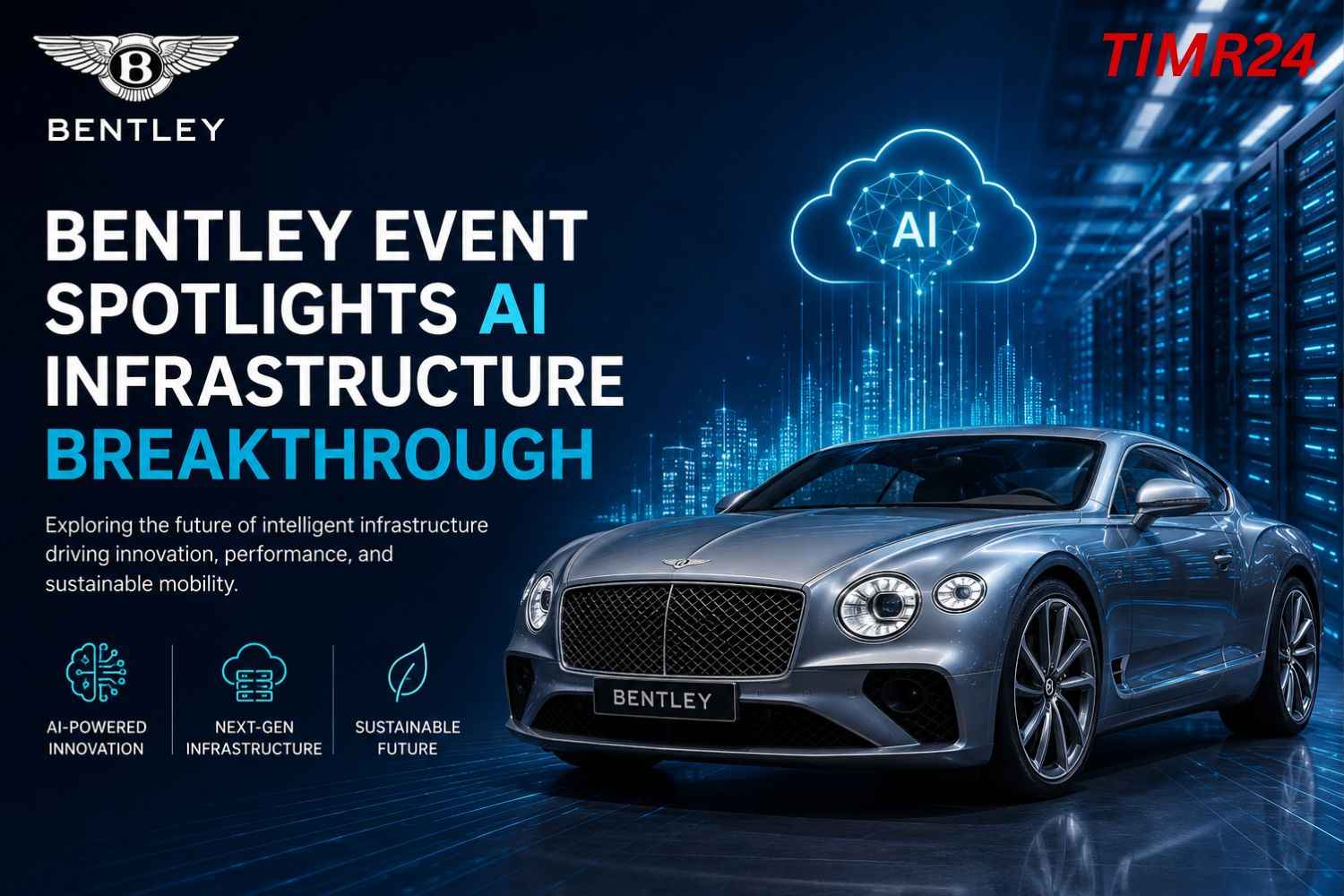














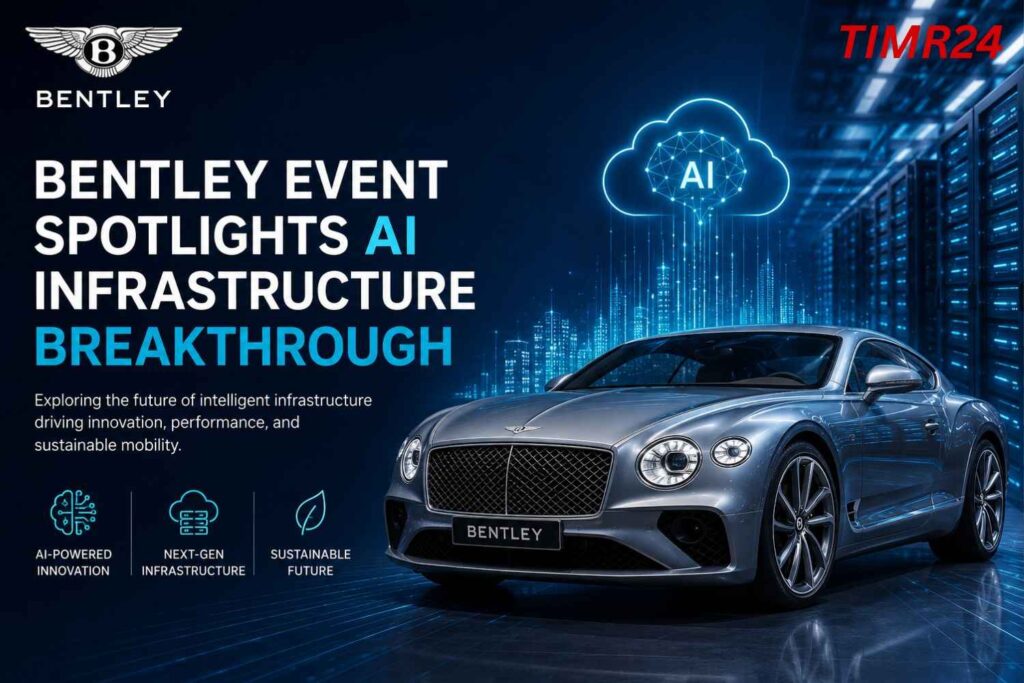
Bentley Systems hosted Illuminate Mumbai 2026, focusing on how AI-driven engineering and digital twins can accelerate India’s infrastructure goals towards Viksit Bharat 2047. Key discussions included the use of infrastructure AI and digital twin technologies for improving project delivery and sustainability. Notable speakers included Kamalakannan Thiruvadi and Kaushik Chakraborty, who emphasized the transition from digitization to intelligent execution. The event showcased Bentley Infrastructure Cloud and highlighted innovations in water infrastructure, focusing on sustainability and resilience The recent event hosted by Bentley Systems has brought.
Infrastructure Planning And Execution
Global attention to one of the most transformative trends in modern development AI-driven infrastructure. As cities expand and the demand for smarter, more efficient systems continues to rise, the integration of artificial intelligence into infrastructure planning and execution is no longer optional but essential. The event served as a powerful platform where industry leaders, engineers, policymakers, and technology innovators came together to discuss how AI is reshaping the future of infrastructure across the world At the core of the discussion was the concept of intelligent infrastructure powered by real-time data and predictive analytics.
Bentley emphasized how AI can enhance decision-making processes by analyzing vast amounts of data collected from construction sites, urban systems, and environmental sensors. This approach enables developers and governments to anticipate challenges, reduce costs, and improve project timelines. The role of digital twins virtual replicas of physical infrastructure was also highlighted as a breakthrough innovation. These digital models allow stakeholders to simulate real-world conditions and make informed decisions before actual implementation, significantly minimizing risks The event also explored how AI is revolutionizing construction workflows.
Particularly Relevant In Rapidly Growing Economies
Traditional construction methods often face delays, inefficiencies, and cost overruns. However, with AI-powered tools, project managers can now optimize resource allocation, monitor progress in real-time, and detect potential issues before they escalate. This shift is particularly relevant in rapidly growing economies like India, where urbanization is accelerating at an unprecedented pace. Developers are increasingly adopting smart construction technologies to meet the demand for housing, transportation, and commercial infrastructure. Another major focus of the event was sustainability. With climate change becoming a pressing global concern.
Infrastructure development must align with environmental goals. AI plays a crucial role in achieving this by enabling energy-efficient designs, reducing material waste, and optimizing resource usage. Bentley showcased how AI-driven analytics can help in monitoring (India) carbon emissions and ensuring compliance with sustainability standards. This aligns with global initiatives and supports the transition toward greener and more resilient cities. The discussions also highlighted the importance of collaboration between various stakeholders. Governments, private developers, and technology companies must work together to fully realize the potential of AI in infrastructure.
Collaborative Model Is Expected To Accelerate
Policies and regulations need to evolve to support innovation while ensuring data security and ethical usage. Bentley’s event underscored the need for a unified approach where technology is integrated seamlessly into existing systems. This collaborative model is expected to accelerate the adoption of AI solutions and drive long-term growth in the infrastructure sector From a business perspective, the event revealed significant investment opportunities in AI infrastructure. As digital transformation becomes a priority for organizations worldwide, the demand for advanced engineering software and AI tools is expected to grow exponentially.
Companies that invest early in these technologies are likely to gain a competitive edge. Bentley’s strategic focus on AI integration positions it as a key player in this evolving landscape. The company continues to innovate by developing solutions that cater to the changing needs of the infrastructure industry The role of AI in predictive maintenance was another key highlight. Infrastructure assets such as bridges, roads, and buildings require regular maintenance to ensure safety and longevity. AI-powered systems can analyze data from sensors and identify signs of wear and tear before they become critical issues. This proactive approach not only reduces maintenance costs but also enhances safety standards.
Barriers Implementation Skilled Professionals,
It represents a shift from reactive to preventive maintenance, which is essential for modern infrastructure management The event addressed the challenges associated with AI adoption. While the benefits are significant, there are barriers implementation costs, lack of skilled professionals, and data integration issues. Bentley acknowledged these challenges and emphasized the need for continuous learning and skill development in the workforce. Training programs and partnerships with educational institutions can help bridge the skill gap and prepare professionals for the future of AI-driven infrastructure The global perspective shared at the event how different regions are adopting.
AI at varying speeds. Developed countries are leading in terms of technology adoption, while emerging markets are catching up rapidly due to increasing investments and supportive government policies. India, in particular, has shown strong potential in embracing AI for infrastructure development. With initiatives focused on smart cities and digital transformation, the country is poised to become a major hub for AI innovation. You can read more about this trend in our internal article /future-infrastructure-india.
Bentley’s event has successfully highlighted the transformative impact of AI on infrastructure. From improving efficiency and sustainability to enabling smarter decision-making, AI is redefining how infrastructure is planned, built, and maintained. The event not only (India) showcased current advancements but also provided a glimpse into the future of intelligent infrastructure. As technology continues to evolve, the integration of AI will play a crucial role in shaping resilient, sustainable, and future-ready cities. The insights shared at this event serve as a valuable guide for stakeholders looking to navigate the rapidly changing landscape of infrastructure development.