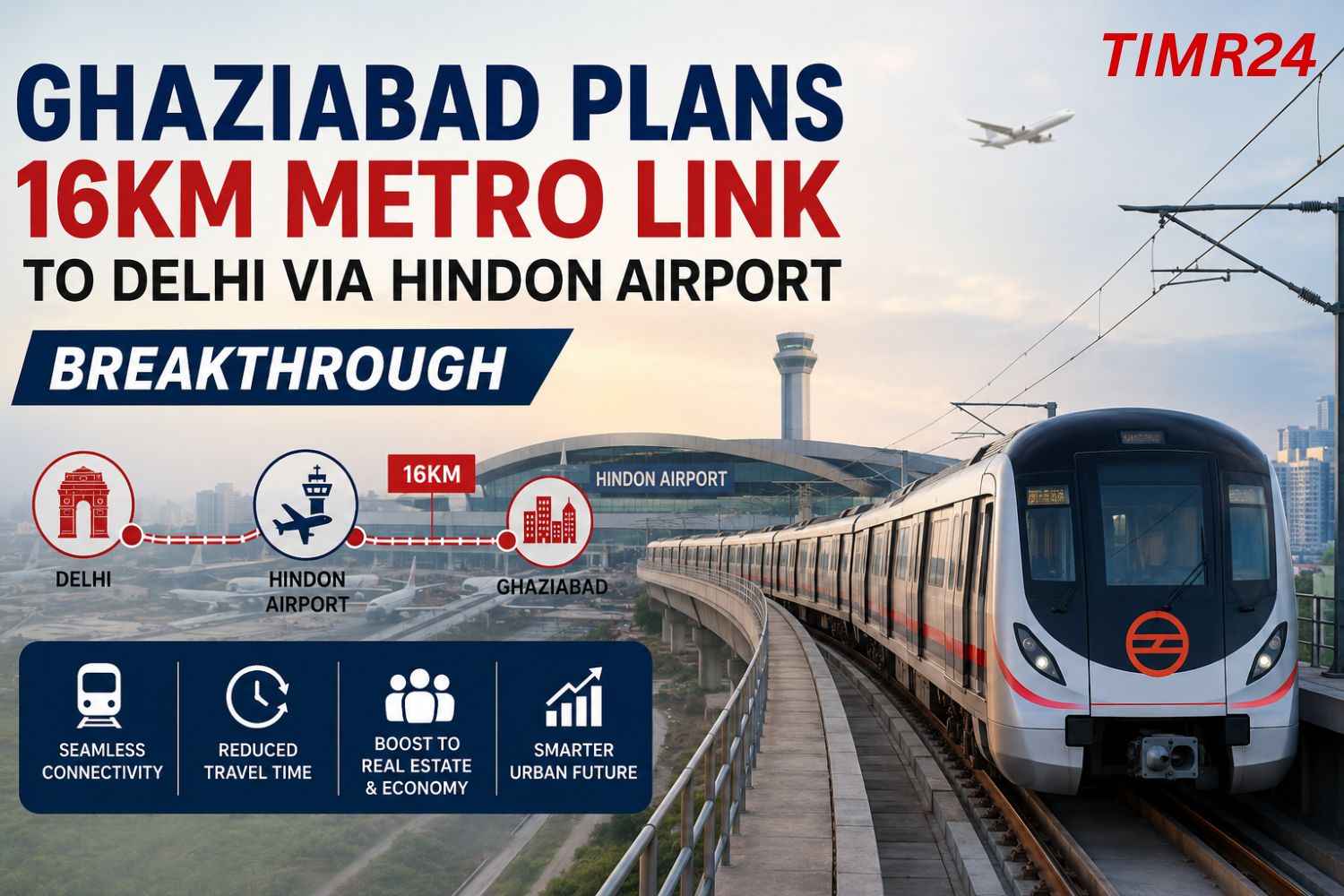








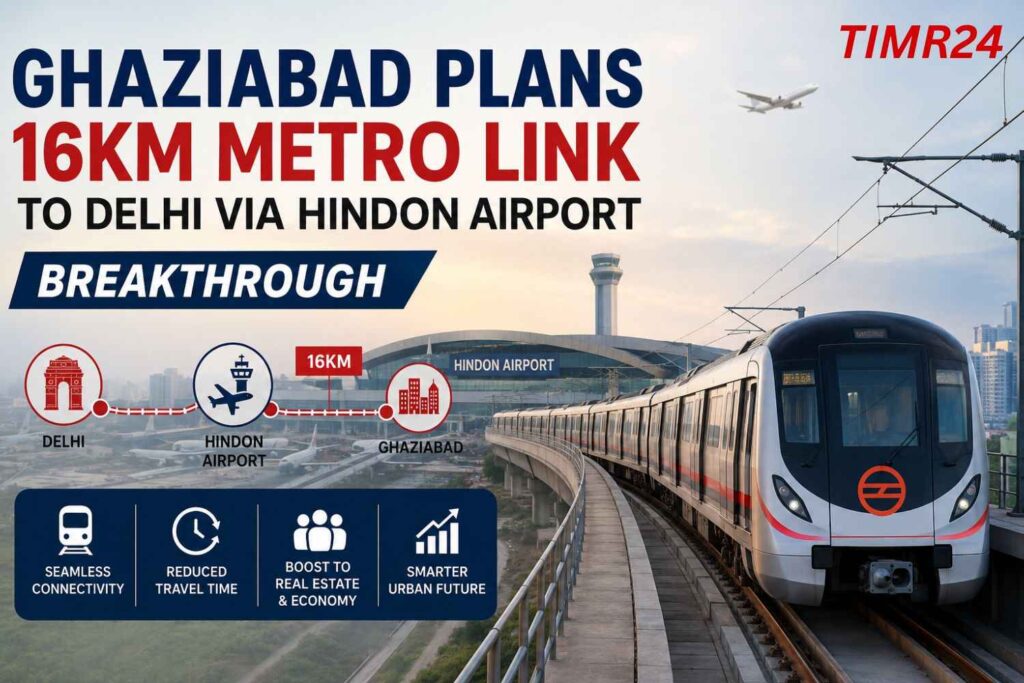
Ghaziabad authorities are planning a 16 km metro link to Delhi, running via Hindon Airport, with a detailed project report currently underway. This project aims to enhance connectivity between Ghaziabad and the national capital and include an airport interchange. Assessments regarding alignments, station locations, and cost estimates are being conducted prior to formal approvals and tendering. The announcement follows the inauguration of the Delhi-Faridabad metro extension, which will facilitate travel for approximately 200,000 daily commuters, linking various stations in Faridabad. The project received significant funding from the Haryana Government.
Indicated Metro Connectivity Announcements,
The Centre, and the Delhi Metro, with a reported 95% indigenisation in construction. Haryana Chief Minister ML Khattar indicated metro connectivity announcements, including a proposed link between Gurgaon and Faridabad, will follow as studies and intergovernmental consultations help determine timelines and alignments The city of Ghaziabad is rapidly emerging as a crucial urban hub within the National Capital Region, and the proposed 16km metro link connecting it to Delhi via Hindon Airport represents a transformative infrastructure initiative. With increasing population density, rising vehicular congestion, and growing demand for efficient public transportation.
This project is being viewed as a much-needed step toward sustainable urban mobility. The plan aligns closely with the broader expansion strategy of Delhi Metro Rail Corporation, which has consistently played a vital role in redefining how millions commute across the NCR This metro corridor is not just another transport project; it is a strategic investment in the future of Ghaziabad’s economy and livability. Over the past decade, Ghaziabad has witnessed significant growth in residential and commercial real estate, driven by its proximity to Delhi and relatively affordable property prices. However, connectivity has always remained a key challenge.
Reliable, Fast, And Eco-Friendly Alternative
While road networks such as NH-9 and the Delhi-Meerut Expressway have improved accessibility, they are often burdened with heavy traffic, especially during peak hours. The proposed metro link is expected to address these issues by offering a reliable, fast, and eco-friendly alternative One of the most significant advantages of this project is its integration with Hindon Airport, which is gradually gaining importance as a regional aviation hub. By linking the airport directly with Delhi’s metro network, authorities aim to enhance passenger convenience and promote regional air travel. This will not only benefit frequent flyers but also create new economic opportunities in the surrounding areas.
Improved accessibility often leads to increased commercial activity, and local businesses near the metro stations are expected to thrive. According to urban planning experts, such transit-oriented development can significantly boost employment and economic output Another key aspect of this metro project is its potential impact on the real estate sector. Historically, metro connectivity has been a major driver of property appreciation in cities like Delhi, Noida, and Gurugram. Areas located along metro corridors tend to witness higher demand due to improved accessibility and reduced commute times. In Ghaziabad, regions around Hindon Airport and the proposed metro route are likely to become hotspots for.
Reducing Carbon Emissions And Promoting Sustainable
Residential and commercial investments. Developers are already showing interest in launching new projects that cater to the evolving needs of urban buyers From an environmental perspective, the metro link is expected to contribute significantly to reducing carbon (India) emissions and promoting sustainable transportation. With increasing awareness about climate change and air pollution, cities are under pressure to adopt greener solutions. Metro systems are known for their energy efficiency and lower environmental impact compared to private vehicles. By encouraging more people to shift from cars and two-wheelers to public transport, the project can help improve air quality in Ghaziabad and surrounding areas.
This aligns with India’s broader commitment to sustainable urban development and smart city initiatives The planning and execution of such a large-scale infrastructure project involve multiple stages, including feasibility studies, route alignment, funding arrangements, and regulatory approvals. Authorities are currently evaluating various factors to ensure the project’s viability and effectiveness. These include passenger demand forecasts, cost estimates, and integration with existing metro lines. Funding is another critical aspect, as metro projects require substantial investment. Public-private partnerships, government funding, and international loans are some of the options being considered.
Commuting Experience For Thousands Of Residents
For a deeper understanding of infrastructure financing The proposed metro link is expected to significantly enhance the daily commuting experience for thousands of residents. Currently, many people travel between Ghaziabad and Delhi for work, education, and business purposes. Long travel times and unpredictable traffic conditions often lead to stress and reduced productivity. A well-planned metro system can address these issues by offering punctual, comfortable, and efficient services. This, in turn, can improve the overall quality of life for residents and make Ghaziabad a more attractive place to live and work.
Q1. What is the length of the proposed metro link?
The proposed metro corridor will be approximately 16 kilometers long.
Q2. Which locations will this metro connect?
It will connect Ghaziabad to Delhi via Hindon Airport.
Q3. What is the main benefit of this project?
Reduced travel time and improved connectivity for daily commuters and travelers.
Q4. Is the project approved?
Currently, it is in planning and feasibility stage.
Q5. Will it impact real estate?
Yes, property demand and prices are expected to rise along the corridor.