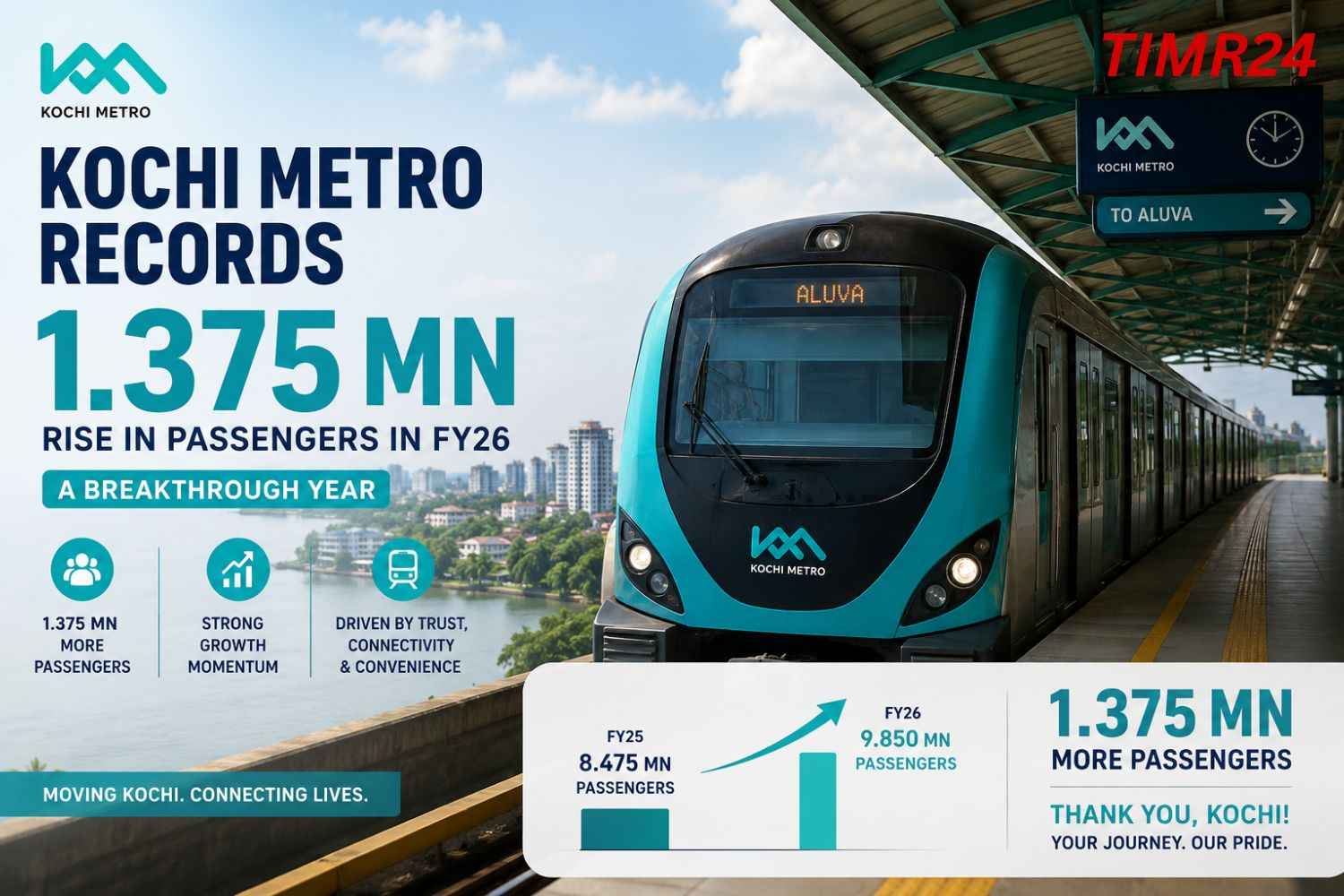
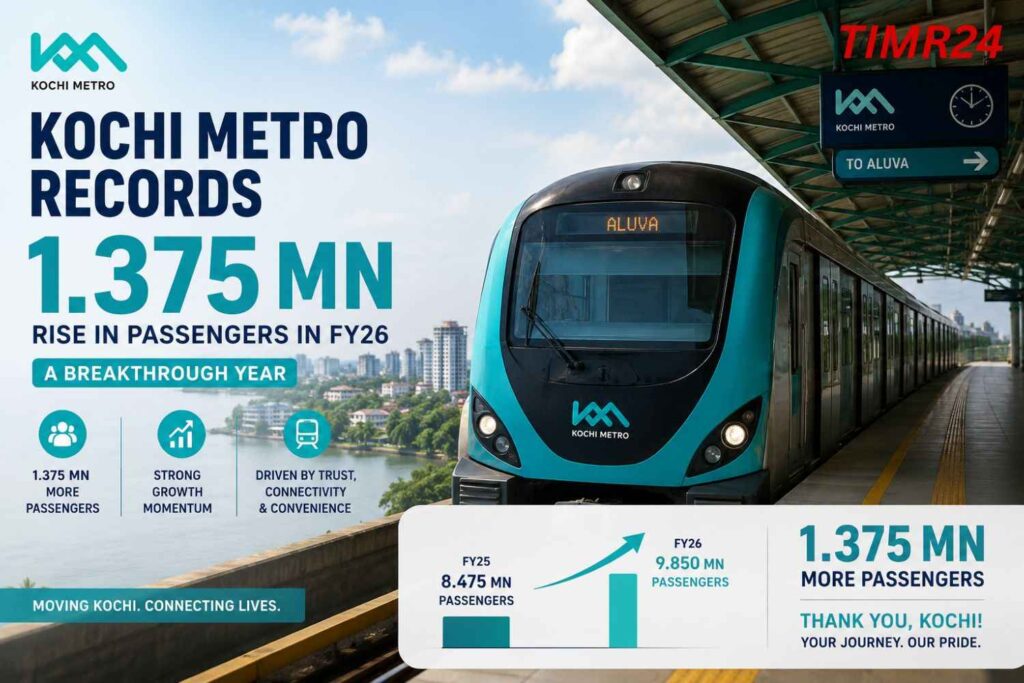
The urban transport landscape in India continues to evolve rapidly, and Kochi Metro has emerged as a strong example of how modern infrastructure can reshape commuting habits. The recent announcement by Kochi Metro Rail Limited regarding a rise of 1.375 million passengers in FY26 highlights not just numerical growth but also a behavioral shift among commuters in Kochi. This growth reflects a deeper transformation in how people perceive public transportation, moving away from private vehicles toward more sustainable and efficient transit systems.
Over the past few years, Kochi Metro has steadily expanded its reach and improved service quality, making it a preferred mode of transport for daily commuters. The increase in ridership is closely linked to better route connectivity, integration with other transport systems, and improved accessibility to metro stations. As urban congestion continues to rise, metro systems like Kochi Metro provide a practical solution to reduce travel time and enhance commuter convenience. This growth is also aligned with broader national goals of promoting sustainable urban mobility and reducing carbon emissions.
Travel Experience, Making Metro Travel
One of the key drivers behind this passenger increase is the focus on last-mile connectivity. Kochi Metro has actively worked on integrating feeder services such as buses, auto-rickshaws, and water metro services, ensuring that commuters can easily reach their final (India) destinations. This seamless connectivity has significantly enhanced the overall travel experience, making metro travel attractive compared to traditional modes of transport. Additionally, digital ticketing systems and smart card usage have streamlined the boarding process, further encouraging adoption among tech-savvy users.
Another important factor contributing to this growth is the increasing awareness of environmental sustainability. With rising concerns about pollution and climate change, more people are choosing eco-friendly transport options. Metro systems are known for their energy efficiency and lower carbon footprint, making them a responsible choice for urban commuting. Kochi Metro’s initiatives in promoting green mobility have resonated well with the public, contributing to higher ridership numbers.
Metro Network Supports Growth
Infrastructure development in Kochi has also played a significant role in boosting metro usage. As the city continues to grow and attract investments, the demand for reliable and efficient transportation systems has increased. The metro network supports this growth by connecting key commercial and residential areas, thereby facilitating economic activities and improving overall productivity. The rise in passengers is a clear indication that the metro system is meeting the evolving needs of the city’s population.
Looking ahead, the future of Kochi Metro appears promising. With plans for further expansion and integration with other modes of transport, the system is expected to handle even higher passenger volumes in the coming years. The introduction of new technologies and smart mobility solutions will further enhance operational efficiency and user experience. Additionally, government support and policy initiatives aimed at strengthening urban infrastructure will provide a strong foundation for sustained growth.
In conclusion, the 1.375 million increase in passengers during FY26 is more than just a statistic; it represents a shift toward modern, sustainable, and efficient (India) urban mobility. Kochi Metro is not only transforming the way people travel but also contributing to the city’s economic and environmental well-being. As urbanization continues to accelerate, metro systems like Kochi Metro will play a crucial role in shaping the future of transportation in India.