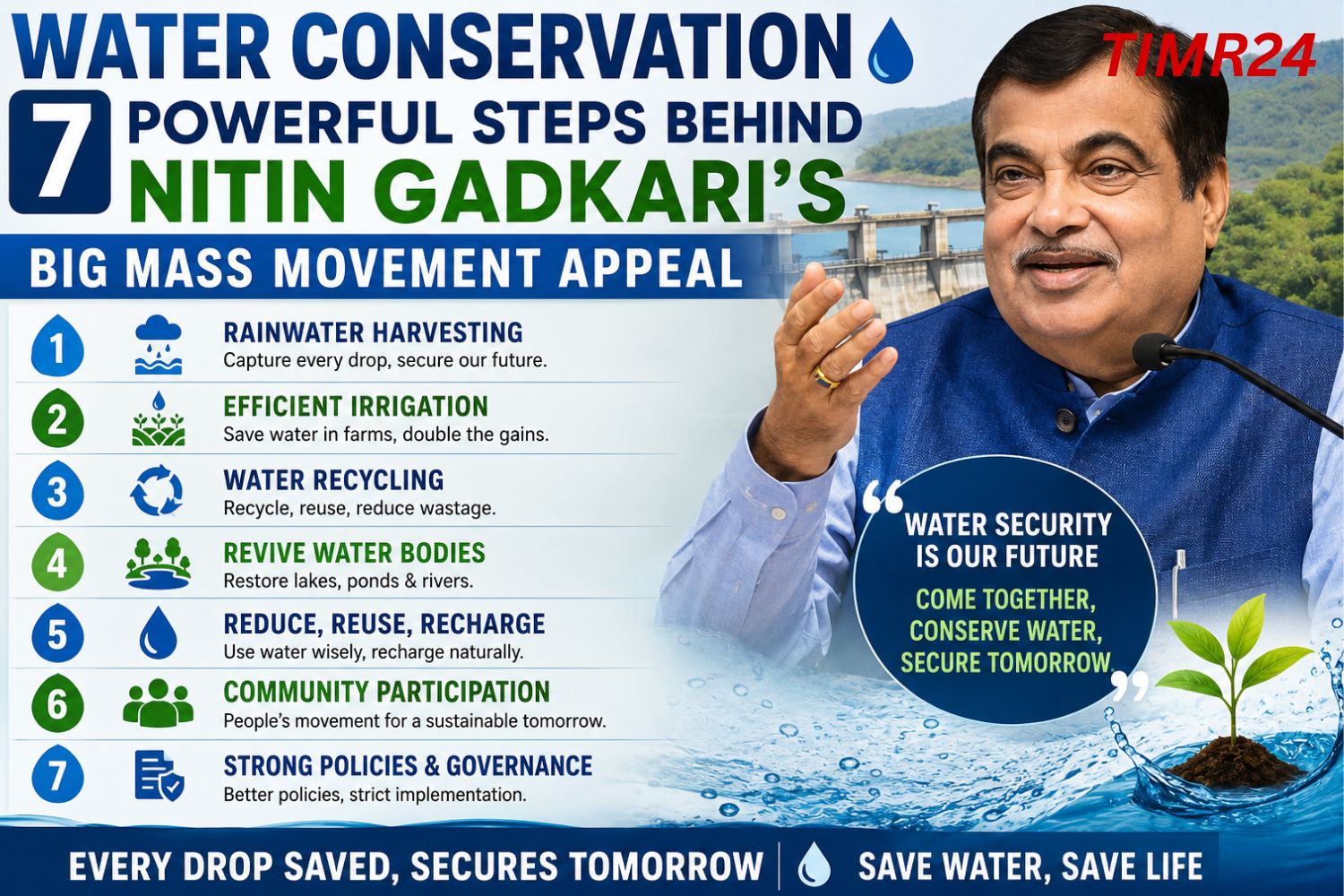
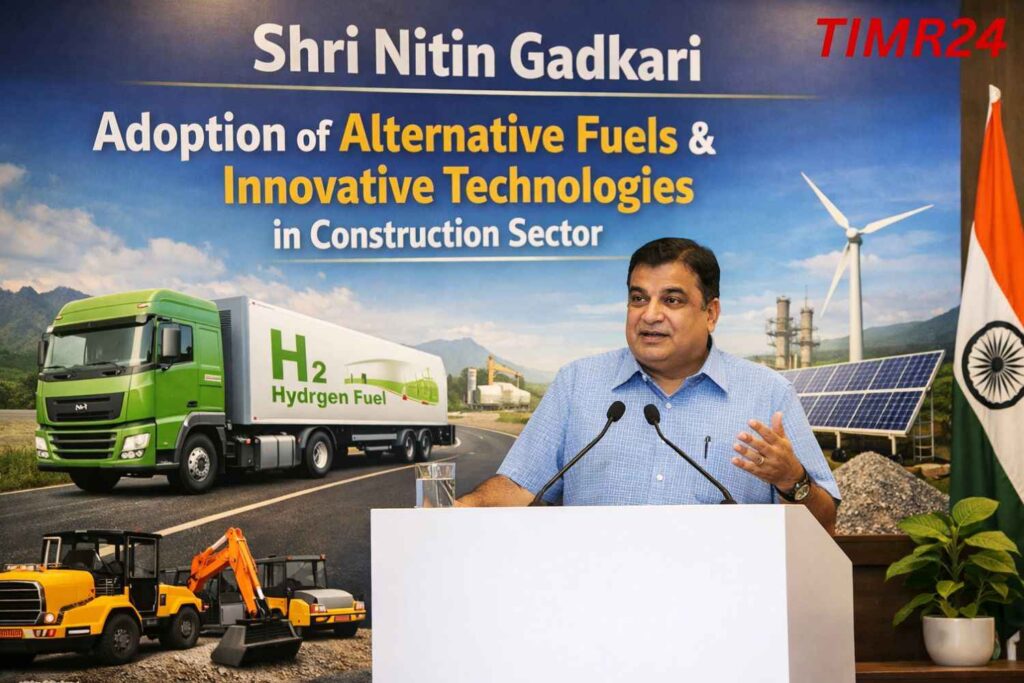
The minister also underlined that innovative construction technologies are equally critical in achieving better project execution and lower costs. Modern engineering techniques such as precast construction, automated machinery, digital project monitoring, AI-based planning tools, and smart material usage can dramatically improve efficiency while reducing waste. Gadkari has consistently advocated for the use of advanced materials and waste-to-wealth technologies in infrastructure development. This includes the use of plastic waste, recycled materials, bio-bitumen, and industrial by-products in road and highway construction. Such technologies not only help lower costs but also.
India’s Construction Sector Must Adopt Global
Promote circular economy practices across the infrastructure ecosystem One of the central messages of Gadkari’s speech was the urgent need to improve project quality while simultaneously reducing construction costs. He stated that India’s construction sector must adopt global best practices if it aims to become internationally competitive. Indian infrastructure companies have already demonstrated execution capabilities in overseas markets such as Dubai, Qatar, and African nations, but maintaining world-class quality standards will be crucial for expanding this reputation further. The minister noted that performance-based evaluation and quality-focused.
Execution should become the new benchmark instead of simply prioritizing low-cost bids. This policy shift could fundamentally reshape how infrastructure contracts are awarded and executed in the future Another important area highlighted by Gadkari was the need for faster decision-making and improved project planning. He pointed out that many infrastructure delays in the past were caused by procedural bottlenecks such as incomplete land acquisition, pending statutory clearances, and poor project preparedness. To overcome these issues, he urged stakeholders to complete all key prerequisites before awarding contracts. This proactive approach can improve project timelines.
Alternative Fuels In The Construction Sector
Reduce contractor stress, and ensure better financial discipline across the sector. Efficient project planning combined with technology adoption can drastically improve the pace of national infrastructure development The adoption of alternative fuels in the construction sector could also create a major opportunity for India’s agricultural and biofuel economy. Increased demand for ethanol, biomass, and bio-CNG can generate new revenue streams for farmers while helping convert agricultural waste into productive fuel sources. Gadkari has repeatedly promoted the idea that India’s farmers should benefit directly from the nation’s clean energy transition.
Linking rural production chains to industrial fuel demand could create a powerful economic multiplier effect while also reducing stubble burning and agricultural waste pollution From an environmental perspective, the shift toward alternative fuels and sustainable construction technologies is expected to significantly reduce carbon emissions from one of the most energy-intensive sectors in the economy. Construction machinery, cement production, transportation of raw materials, and diesel-powered heavy equipment collectively contribute substantially to greenhouse gas emissions. By replacing traditional fuels with cleaner alternatives and introducing.
Energy-efficient technologies, India can align its infrastructure growth with climate sustainability goals. This strategy also complements broader government initiatives aimed at promoting green highways, electric mobility, and renewable energy integration Gadkari’s (India) vision reflects a broader transformation underway in India’s infrastructure ecosystem, where roads, highways, and mega transport corridors are increasingly being designed with sustainability, technology, and long-term economic efficiency in mind. As India pushes toward becoming a $5 trillion economy and beyond, the quality and sustainability of its infrastructure will play a defining role in competitiveness and investor confidence.
Industry Stakeholders Are Expected
The minister’s emphasis on innovation, research, and futuristic construction methods indicates that the government is preparing the sector for next-generation infrastructure demands rather than relying on legacy systems Industry stakeholders are expected to respond positively to this push, particularly as alternative fuel technologies become more commercially viable and government incentives continue to expand. Manufacturers of construction equipment may increasingly develop machinery compatible with ethanol, methanol, hydrogen, and hybrid powertrains. Similarly, infrastructure developers are likely to integrate smart construction software.
Automation, and digital monitoring tools into mainstream project execution. Together, these shifts could significantly modernize India’s construction value chain over the next decade Shri Nitin Gadkari’s call for adopting alternative fuels and innovative technologies in the construction sector marks another important step toward building a more sustainable, efficient, and globally competitive infrastructure ecosystem in India.
His vision combines economic pragmatism with environmental responsibility, aiming to lower project costs, reduce import dependence, improve execution (India) standards, and accelerate the nation’s infrastructure ambitions. As India continues its aggressive infrastructure expansion, embracing green fuels and modern technology may no longer remain optional it could become the defining requirement for future-ready development.
Q1. Why is Nitin Gadkari promoting alternative fuels in construction?
To reduce diesel dependency, lower project costs, and make infrastructure development more sustainable.
Q2. Which alternative fuels are being suggested?
Biofuels, biomass-based fuels, ethanol, methanol, hydrogen, and other clean energy alternatives.
Q3. How can innovative technology help construction?
It can improve speed, quality, reduce costs, and increase project efficiency.
Q4. What is the government’s focus in infrastructure development?
The government aims to promote sustainable, cost-effective, and globally competitive infrastructure.
Q5. How will this benefit India?
It will reduce pollution, cut fuel imports, strengthen energy security, and boost economic growth.