
















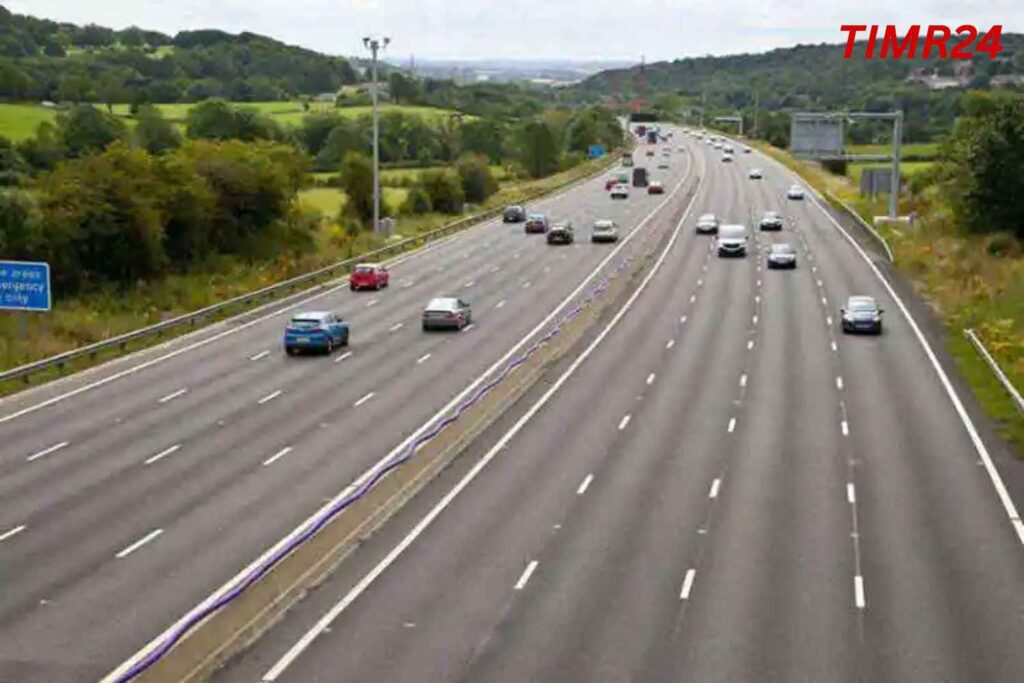
Mumbai’s Pune Expressway has inaugurated India’s tallest road cable-stayed bridge, part of the Missing Link Project led by Devendra Fadnavis. The 650-meter viaduct features a 182-meter-high pylon, surpassing the Bandra Worli Sea Link. Constructed by Afcons Infrastructure Limited, it is supported by 240 cables and designed for high-capacity traffic. Built in the challenging Sahyadri terrain, the project improves safety and connectivity by bypassing the Khandala Ghat stretch between Mumbai and Pune India’s infrastructure sector has achieved another remarkable milestone with the opening of India’s tallest road cable-stayed bridge on the Mumbai–Pune Expressway Missing Link project.
Ambitious Missing Project, Bridge
The newly developed engineering marvel is expected to transform road connectivity between Mumbai and Pune while significantly reducing travel time across one of the busiest highway corridors in the country. Developed as part of the ambitious Missing project, the bridge represents the next generation of highway engineering in India and highlights the country’s rapid progress in modern transportation infrastructure The Mumbai–Pune Expressway has long been considered one of India’s most important economic corridors, connecting the financial capital Mumbai with the industrial and educational hub Pune. However, increasing traffic volume over.
The years created congestion and delays, especially in the challenging ghat sections of the highway. To solve this issue, authorities initiated the Missing Link project, designed to bypass difficult mountain stretches through tunnels, viaducts, and advanced bridge systems. The newly opened cable-stayed bridge has now become the centrepiece of this transformational project Constructed amidst the rugged terrain of the Western Ghats, the bridge showcases advanced engineering techniques rarely seen in Indian road projects until recent years. Its towering pylons and massive cable arrangements not only improve structural stability but also create.
Vehicular Movement While Maintaining Safety
A visually striking landmark. Experts believe the project demonstrates India’s growing capability in executing complex transportation infrastructure comparable to global standards. The bridge has been specifically designed to support high-speed vehicular movement while maintaining safety during heavy rainfall and challenging weather conditions common in the region One of the biggest advantages of the Missing Link corridor is the reduction in travel time between Mumbai and Pune. Once the entire project becomes fully operational, commuters are expected to save nearly 30 minutes on average journeys. The smoother road geometry and modern design standards will also.
Improve driving comfort and reduce accident risks in sharp curve sections that previously troubled motorists. Heavy commercial traffic moving between ports, industrial zones, and logistics hubs will particularly benefit from the faster and safer route The project is also expected to provide a major economic boost to Maharashtra’s transport network. Improved connectivity generally leads to faster cargo movement, lower fuel consumption, and better operational efficiency for logistics companies. Industrial growth around Pune, Navi Mumbai, and nearby manufacturing clusters could receive additional momentum due to enhanced transportation infrastructure.
Construction Technology, Seismic Resistant Structures
Infrastructure analysts believe projects like these are essential for supporting India’s long-term economic growth ambitions and regional connectivity goals Another remarkable feature of the bridge is its integration with tunnel systems under the Missing development plan. Engineers have carefully planned the alignment to minimize environmental impact while ensuring efficient traffic movement through mountainous terrain. The use of advanced construction technology, seismic-resistant structures, and modern monitoring systems reflects the growing sophistication of Indian infrastructure execution. Authorities have emphasized that safety and durability were top priorities during the design and construction phases.
Q1. What is India’s tallest road cable-stayed bridge?
India’s tallest road cable-stayed bridge is part of the Mumbai–Pune Expressway Missing Link project and has been developed to improve highway connectivity between Mumbai and Pune.
Q2. Where is the new cable-stayed bridge located?
The bridge is located in the Western Ghats section of the Mumbai–Pune Expressway Missing Link corridor in Maharashtra.
Q3. How will the Missing Link project benefit commuters?
The project will reduce travel time between Mumbai and Pune by nearly 30 minutes while improving safety and reducing traffic congestion.
Q4. What makes this bridge unique?
The bridge features one of the tallest pylons used in a road cable-stayed bridge in India and is engineered for high-speed vehicular movement through difficult terrain.
Q5. Which authority is handling the project?
The project is being executed by the Maharashtra State Road Development Corporation under Maharashtra’s major infrastructure expansion plan.