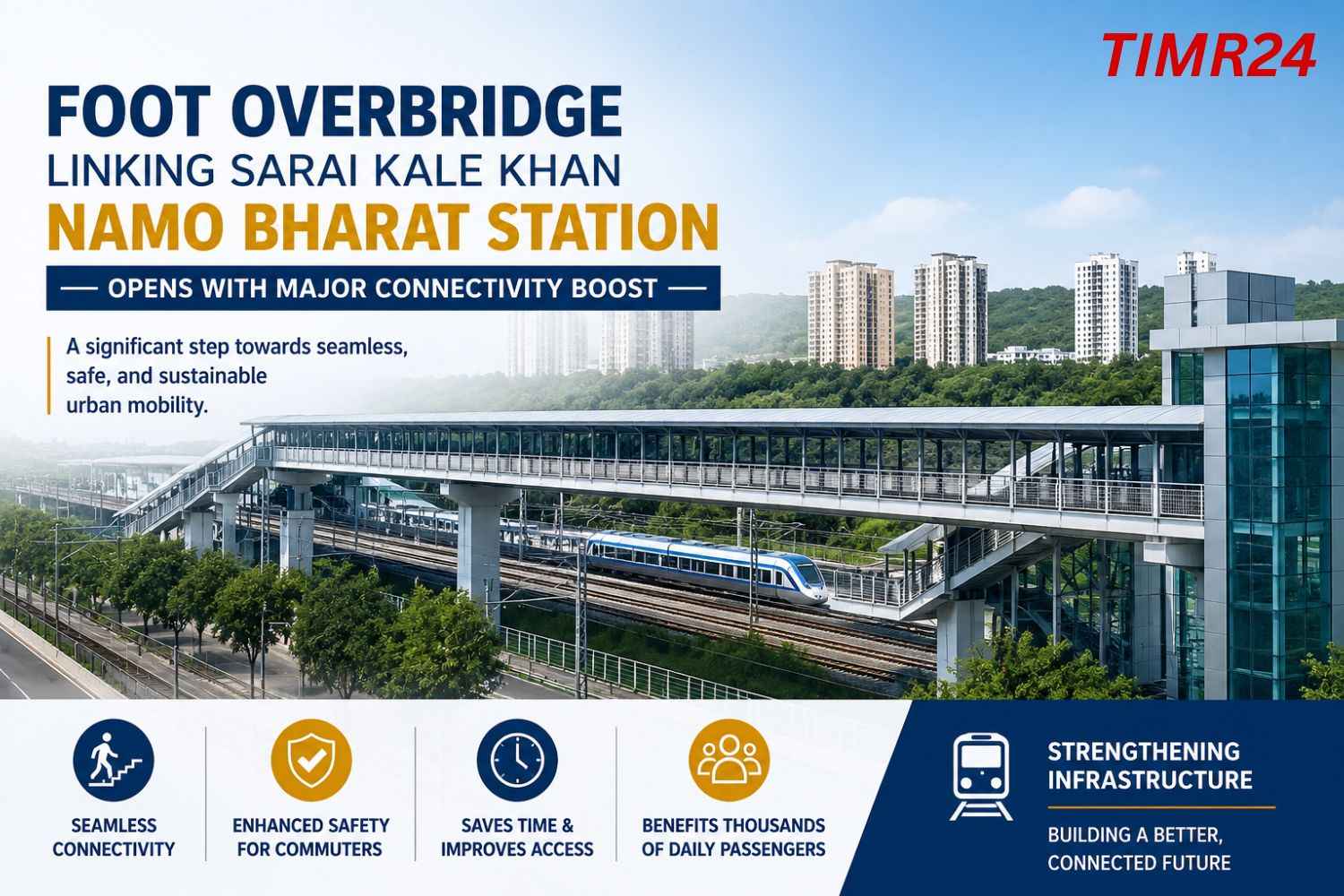










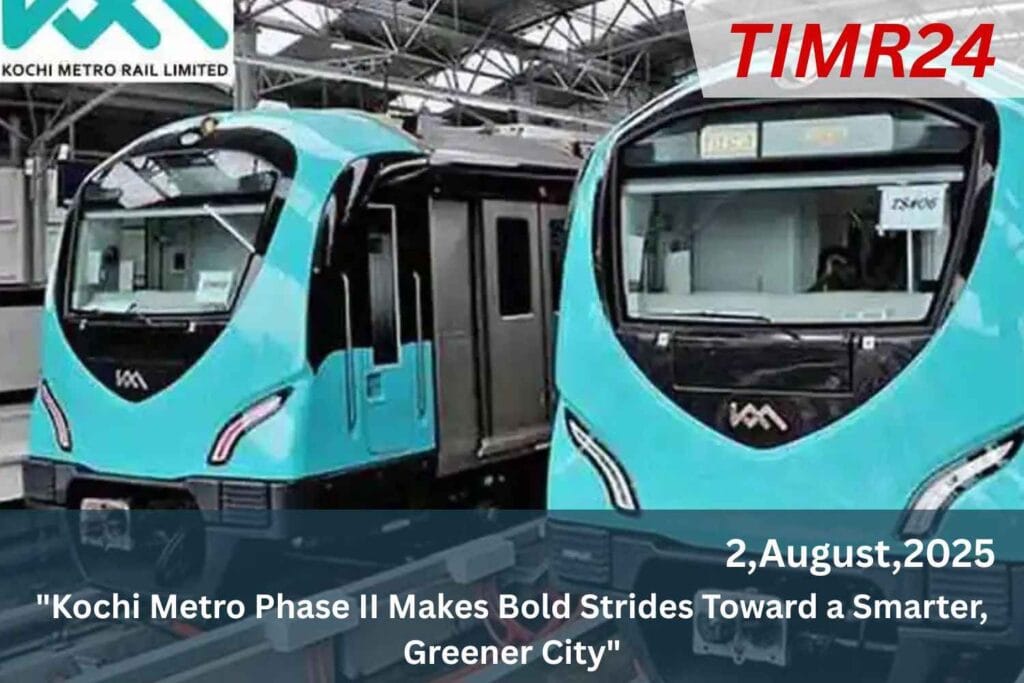
Kochi Metro Rail Limited has invited tenders for five new stations in Phase II of the Kochi Metro expansion, located along the JLN Stadium-Kakinada corridor. The project aims to bring Metro connectivity closer to the Kakinada region, easing commuting and boosting economic activity. The Kochi Metro Rail Limited (KMRL) is making rapid strides in expanding the city’s urban transit infrastructure through the much-anticipated Phase II project. With an aim to decongest road traffic, boost last-mile connectivity, and promote sustainable transportation, this phase marks a significant milestone in Kerala’s urban mobility landscape.
Overview of Phase II
Phase II of the Kochi Metro will cover a total length of 11.2 km, extending from Jawaharlal Nehru Stadium to Info park via Kakinada, a major IT and residential hub in the city. The corridor includes 11 stations and is designed to serve a growing commuter base in one of the fastest-developing zones of Kochi. The project is estimated to cost ₹1,957.05 crore and is being developed with financial support from the French Development Agency (AFD). (Metro Project)
Connectivity and Impact
This new line will significantly enhance public transport access for employees working in Info park, Smart City, and other key business centres. The region has witnessed a surge in population and daily traffic, making metro connectivity essential for reducing dependence on private vehicles. The elevated line will also improve accessibility to institutions and residential zones in Oedipally, Chaumukh, and Pada Mughal. The link to Info park will bridge a vital gap in urban transit by integrating a high-density employment zone into the city’s mass transport ecosystem. To understand how tech hubs are reshaping urban mobility, read our feature on.
Construction Status and Timeline
As of August 2025, piling and pier construction activities are in full swing across various stretches. KMRL aims to complete the project by 2027. The tenders for civil works were awarded in early 2024, and groundwork started soon after. Land acquisition along the proposed route has reached 95% completion, ensuring minimal delays in execution. The Delhi Metro Rail Corporation (DMRC) continues to play a consulting role, bringing its expertise to project management, design validation, and quality control. Learn more about similar collaborative metro projects in India by exploring. To learn more about this pioneering water-rail system, (Kochi Water Metro’s)
Multimodal Integration
A key feature of the Kochi Metro expansion is its emphasis on multimodal transport integration. The metro line is being developed alongside feeder bus services, cycle tracks, and pedestrian paths to ensure smooth last-mile connectivity. Plans are also in place to align this phase with the Kochi Water Metro and regional bus terminals to build a unified urban transport system.
Sustainability and Green Features
As with Phase I, sustainability remains central to Phase II. KMRL continues its practice of using solar energy for stations, rainwater harvesting, and green building certifications. The metro also promotes inclusivity with dedicated facilities for women, senior citizens, and differently-abled commuters.
Q1. What is the total length of Kochi Metro Phase II?
Phase II will cover 11.2 km, running from Jawaharlal Nehru Stadium to Info park via Kakinada.
Q2. How many stations are planned under Phase II?
A total of 11 elevated stations are proposed along the Phase II corridor.
Q3. When is Kochi Metro Phase II expected to be completed?
The project is scheduled for completion by 2027, subject to construction progress and approvals.
Q4. Which areas will benefit the most from this expansion?
Key areas include Kakinada, Info park, Chaumukh, and Pada Mughal, all witnessing rapid urban and IT growth.
Q5. Who is funding the Phase II project?
The project is jointly funded by the Government of Kerala and the French Development Agency (AFD).