


















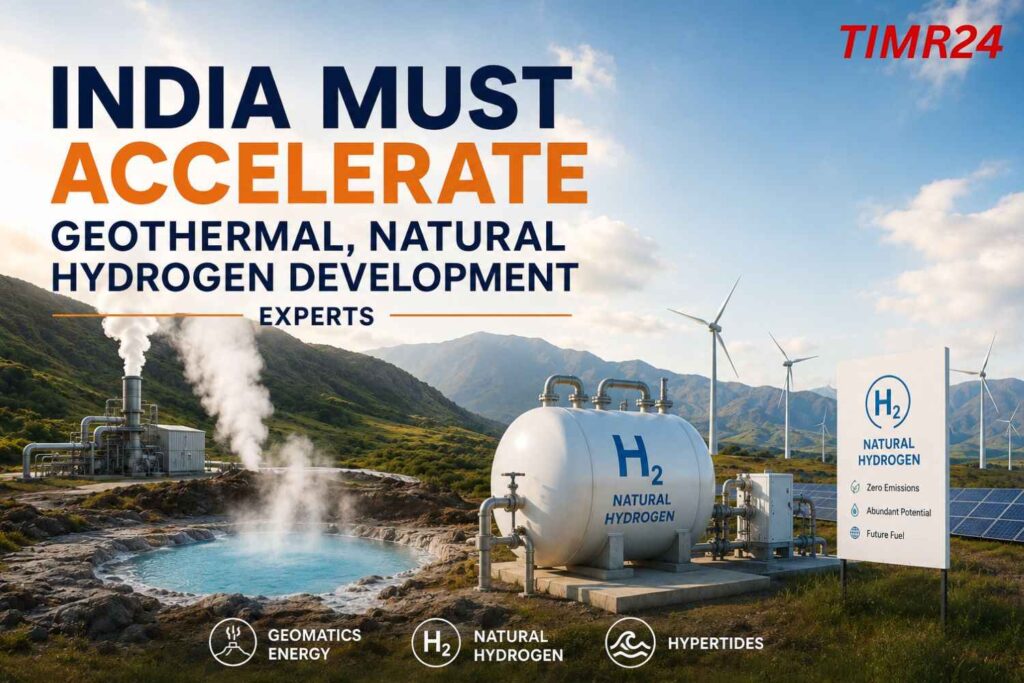
Experts at the MAGMA 2026 conference organized by MIT World Peace University emphasized the urgent need for India to invest in geothermal energy and natural hydrogen to enhance energy security amid global fuel supply disruptions. The workshop featured over 16 organizations, including the Geological Survey of India and multinational firms like Halliburton. While solar and wind energy are scaling up, experts stressed the importance of stable base-load energy. Ashish Agarwal highlighted geothermal development as crucial for energy security, and advancements in AI and data analytics were discussed to improve exploration. The conference acknowledged India’s geological potential for.
Development Of Geothermal Energy And Natural
Both energy sources and advocated for a collaborative, mission-driven approach to energy self-reliance India is rapidly moving toward a cleaner and more sustainable energy future, but experts believe the country must now accelerate the development of geothermal energy and natural hydrogen resources to strengthen long-term energy security. As global economies focus on reducing carbon emissions and building green infrastructure, India is being encouraged to unlock alternative energy sources that remain largely untapped despite their enormous potential The discussion around geothermal and natural hydrogen development has gained momentum as.
India continues expanding its renewable energy portfolio beyond solar and wind projects. Energy analysts believe these emerging sectors can play a transformative role in reducing dependence on imported fossil fuels while supporting industrial growth and environmental goals simultaneously India’s growing power demand, urban expansion, and industrialization have significantly increased pressure on traditional energy systems. Although solar and wind capacity have expanded rapidly over the last decade, experts say renewable diversification is now essential for ensuring stable and uninterrupted energy supply across the country. Geothermal energy offers continuous base-load power generation, unlike solar and wind which depend heavily on weather conditions.
Converted Into Electricity And Heating Systems
According to industry experts, India possesses substantial geothermal reserves in regions such as Ladakh, Himachal Pradesh, Uttarakhand, Gujarat, Chhattisgarh, and the Andaman & Nicobar Islands. These areas contain underground heat reservoirs that can be converted into electricity and heating systems through modern geothermal technologies. However, despite decades of research and surveys, commercial-scale geothermal projects remain limited in the country The growing interest in geothermal development is largely connected to India’s commitment toward clean energy transition and carbon neutrality objectives.
The government has already announced ambitious renewable energy targets, and geothermal energy could become a major addition to the country’s sustainable infrastructure strategy. Experts argue that geothermal plants require less land compared to large solar parks and provide round-the-clock energy generation, making them ideal for industrial corridors and remote regions Natural hydrogen is another emerging energy opportunity attracting global attention. Unlike green hydrogen, which is produced using renewable electricity, natural hydrogen occurs naturally beneath the Earth’s surface. Scientists believe naturally occurring hydrogen deposits may exist in various.
Identify Commercially Viable Hydrogen Reserves
Geological formations worldwide, including India. This clean-burning fuel has the potential to revolutionize the energy sector because it can significantly lower carbon emissions without requiring complex production processes Experts suggest that India should invest aggressively in exploration programs, geological surveys, and pilot projects to identify commercially viable hydrogen reserves. Countries such as Australia, France, and the United States have already started investing in natural hydrogen exploration initiatives, creating a competitive global race in the sector. India risks missing a major opportunity if exploration activities are delayed for too long.
One of the key advantages of natural hydrogen lies in its cost efficiency. Traditional green hydrogen production requires significant infrastructure investments, renewable power capacity, and electrolysis systems. Natural hydrogen, if discovered in large quantities, could potentially reduce production costs and accelerate clean fuel adoption across transportation, manufacturing, and heavy industries The transportation sector could particularly benefit from hydrogen-based fuels. Hydrogen-powered buses, trucks, trains, and industrial vehicles are already being tested globally as alternatives to diesel-powered systems. India’s large logistics network and rapidly.
Geothermal And Natural Hydrogen Development
Expanding industrial base make hydrogen an attractive long-term energy solution. Experts believe domestic hydrogen development can strengthen energy independence while supporting economic growth and job creation Another major benefit of geothermal and natural hydrogen development is regional economic growth. Remote and underdeveloped regions with geothermal reserves could witness infrastructure expansion, employment generation, tourism growth, and industrial investment. Ladakh, for instance, has often been highlighted as a promising geothermal hotspot capable of supporting sustainable local energy systems and reducing dependence on diesel-based power generation.
Financial institutions and private investors are also beginning to show interest in clean-energy innovation projects. However, experts believe stronger policy frameworks, faster regulatory approvals, and dedicated research funding are necessary to accelerate development. Without long-term government support, many early-stage projects may struggle to achieve commercial viability India’s clean-energy transformation will also require strong collaboration between government agencies, research institutions, energy companies, and international technology partners. Advanced drilling technologies, geological mapping systems, and hydrogen extraction methods are still evolving globally.
Responsible Extraction Methods Remain Essential
Strategic partnerships can help India adopt international best practices while building domestic expertise in these emerging sectors Environmental experts additionally emphasize the importance of sustainable resource management. While geothermal and hydrogen (India) projects offer cleaner alternatives to coal and oil, proper environmental assessments and responsible extraction methods remain essential. Balanced policy planning can ensure economic development without causing ecological disruption in sensitive regions The push toward geothermal and natural hydrogen development also aligns with India’s broader infrastructure modernization plans.
Smart cities, industrial corridors, green manufacturing zones, and sustainable transport systems will require stable and low-emission energy solutions in the coming decades. Emerging energy technologies can therefore become a critical pillar of future economic planning India has already demonstrated global leadership in renewable energy expansion through massive solar and wind installations. Experts now believe the next phase of the country’s energy evolution should focus on diversifying renewable resources and investing in advanced clean-energy technologies. Geothermal and natural hydrogen development could help India strengthen energy resilience while reducing dependence on imported fuels.
As climate change concerns intensify and energy demand continues to rise, the urgency for alternative energy solutions is becoming increasingly clear. Experts warn that delayed investment in geothermal and natural hydrogen sectors may result in lost economic (India) opportunities and technological dependence on foreign markets. Early investment, policy clarity, and scientific research can position India as a major player in the future global clean-energy economy.
Q1. What is geothermal energy?
Geothermal energy is heat energy stored beneath the Earth’s surface that can be used for electricity generation and heating purposes.
Q2. What is natural hydrogen?
Natural hydrogen, also known as white hydrogen, is naturally occurring hydrogen found underground that can be extracted as a clean fuel source.
Q3. Why is India focusing on geothermal and hydrogen energy?
India wants to reduce dependence on fossil fuels, improve energy security, and achieve net-zero emission targets.
Q4. Which Indian regions have geothermal potential?
Ladakh, Himachal Pradesh, Gujarat, Maharashtra, and the Andaman & Nicobar Islands have strong geothermal potential.
Q5. How can natural hydrogen benefit India?
Natural hydrogen can support clean transportation, industrial energy needs, and reduce carbon emissions at lower production costs.