Understanding Digital Twin Technology in Port Operations
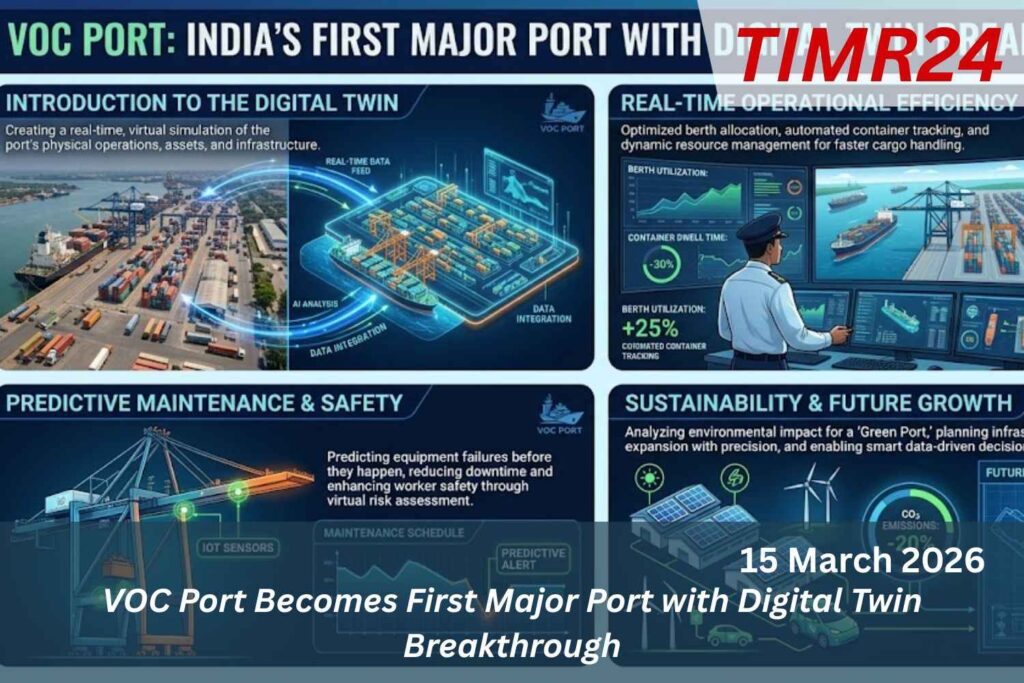
the port’s infrastructure and operations, administrators can visualize and analyze real-time port activities in a virtual environment before implementing decisions on the ground. Digital Twin technology refers to the creation of a virtual model that mirrors a physical system in real time. In the case of ports, the technology integrates data from sensors, cameras, GPS systems, cargo tracking tools, and operational software to create a dynamic digital replica of port infrastructure and logistics networks Through this virtual representation, port operators can monitor ship arrivals, cargo loading and unloading processes, crane operations, container yard movements, and berth utilization simultaneously.
The system processes vast amounts of data and converts it into visual dashboards and simulations that help authorities understand operational bottlenecks This approach allows port management teams to analyze multiple scenarios, such as congestion, equipment failures, or sudden changes in cargo flow, before implementing any physical adjustments in the port environment.
Why VOC Port Adopted the Digital Twin Model
The adoption of Digital Twin technology at VOC Port is driven by several operational and strategic goals. One of the most important objectives is improving operational efficiency across port terminals. With real-time monitoring, port authorities can identify inefficiencies in cargo movement, reduce waiting times for ships, and improve berth allocation strategies.
Another major reason is predictive maintenance. Traditional port infrastructure relies heavily on manual inspections and scheduled maintenance cycles. However, Digital Twin systems continuously analyze equipment performance and detect early signs of malfunction. This predictive capability helps prevent unexpected breakdowns and reduces downtime for critical port machinery.
Additionally, the system enhances safety management. Ports are complex environments with multiple moving vehicles, heavy cranes, and high-value cargo. By visualizing all operations through a digital interface, authorities can detect safety risks earlier and implement preventive measures.
Operational Benefits for Maritime Logistics
The implementation of Digital Twin technology at VOC Port offers several benefits for maritime logistics and supply chain stakeholders First, it significantly improves cargo handling efficiency. Real-time analytics help optimize crane scheduling, container stacking, and truck movement within the port area. This reduces delays and increases throughput capacity Second, the system enhances decision-making accuracy. Port planners can simulate multiple operational scenarios, including peak cargo traffic, extreme weather conditions, or infrastructure upgrades, before applying changes to real operations.
Third, shipping companies and logistics providers benefit from greater transparency. With digital monitoring systems, stakeholders can track vessel movements, cargo status, and port congestion levels more effectively Fourth, Digital Twin models support environmental sustainability. By optimizing logistics routes and reducing idle times for vessels and trucks, ports can lower fuel consumption and carbon emissions.
Alignment With India’s Smart Port Vision
The introduction of Digital Twin technology at VOC Port aligns with India’s broader efforts to modernize maritime infrastructure under national port development initiatives. The government has been promoting smart port technologies, automation, and digital platforms to improve efficiency and global competitiveness Digitalization also plays a crucial role in strengthening India’s position as a major logistics hub in the Indo-Pacific region. With global trade routes shifting and supply chains becoming more complex, technologically advanced ports are becoming key strategic assets By implementing Digital Twin technology.
Impact On The Future Of Port Management
The success of the Digital Twin initiative at VOC Port could inspire other major ports in India to adopt similar technologies. As digital systems become more affordable and data integration capabilities improve, ports across the country may begin developing their own virtual operational models Future developments may include AI-powered predictive logistics, autonomous cargo equipment, and blockchain-based shipping documentation integrated with Digital Twin systems. These technologies could create fully connected port ecosystems where every aspect of cargo movement is tracked, analyzed, and optimized in real time.
Such transformation will not only improve operational (India) productivity but also enhance the resilience of maritime supply chains during disruptions such as extreme weather events, global trade fluctuations, or logistical crises.
Conclusion
The adoption of Digital Twin technology at V. O. Chidambaranar Port marks a significant milestone in India’s maritime modernization journey. By creating a virtual replica of port operations, authorities can monitor activities in real time, simulate operational scenarios, and implement more efficient decision-making processes This initiative demonstrates how digital transformation can improve efficiency, (India) sustainability, and transparency in complex logistics environments. As India continues to expand its maritime trade capacity, smart technologies like Digital Twin systems will play an increasingly important role in shaping the future of port management and global shipping connectivity.