



















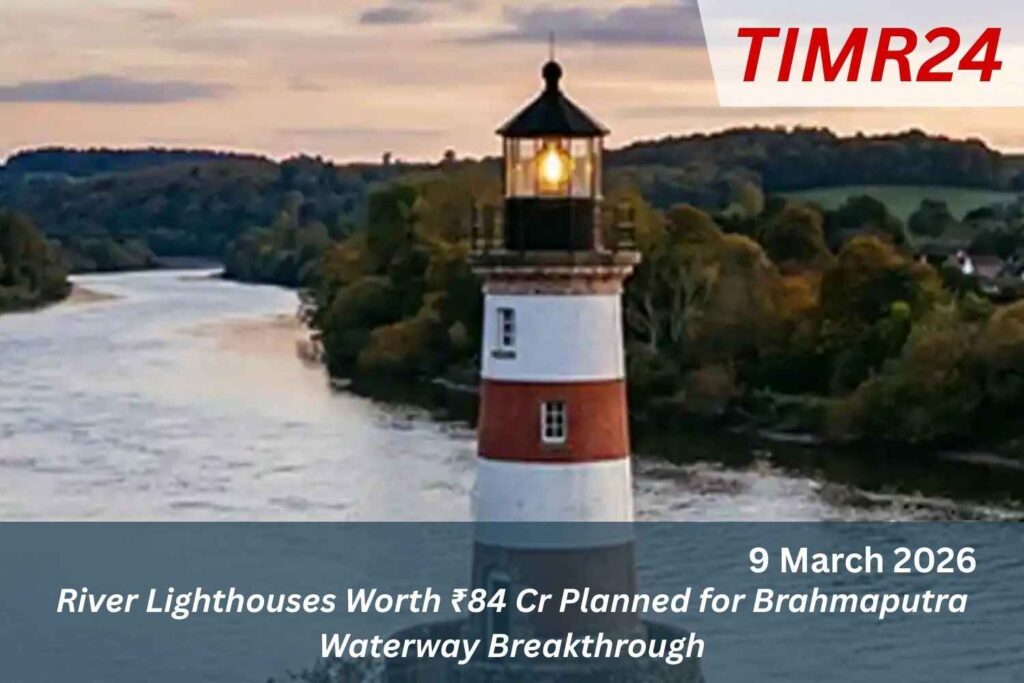
Union Minister Sarbananda Sonowal launched the foundation stones for four river lighthouses along the Brahmaputra River, marking the first inland lighthouse infrastructure in India. The project, costing approximately ₹84 crore, includes lighthouses at Bogibeel, Pandu, Silghat, and Biswanath Ghat, featuring 20-meter structures powered by solar energy and equipped with various amenities to enhance tourism. This initiative aims to support the 53% surge in cargo movement on National Waterway-2 (NW-2), vital for Assam’s industries. Sonowal emphasized the economic benefits of waterways, highlighting their cost-efficiency and environmental advantages.
Inland Water Transport Infrastructure
The project emerged from a feasibility initiative by the Ministry of Ports, Shipping and Waterways, with an expected completion within 24 months. NW-2, spanning 891 kilometers, is pivotal for Northeast India’s trade and connectivity India is steadily expanding its inland water transport infrastructure as part of a long-term strategy to reduce logistics costs and strengthen multimodal connectivity across the country. One of the latest initiatives in this direction is the government’s proposal to develop a network of river lighthouses along the Brahmaputra waterway, a project estimated to cost around ₹84 crore. This initiative is expected to significantly improve navigation safety and enable 24×7.
Vessel movement along National Waterway-2, which runs through the northeastern region of India. The Brahmaputra River has historically played a crucial role in regional trade, passenger movement, and cargo transport, but navigation challenges such as poor visibility, changing river channels, and lack of night-time guidance systems have limited its full potential. By installing modern river lighthouses equipped with advanced lighting and navigation technologies, authorities aim to transform the river corridor into a safer and more efficient transport route The development of river lighthouses represents a major step toward strengthening inland water transport infrastructure in the region.
Vessels Navigate Safely During Nighttime
Unlike traditional coastal lighthouses, river lighthouses are designed specifically to guide vessels navigating through complex river channels. These structures will provide high-visibility lighting systems, helping boat operators and cargo vessels navigate safely during nighttime or foggy conditions. The Brahmaputra is known for its shifting sandbars and varying water depths, which can make navigation particularly challenging for larger vessels. With the installation of strategically placed river lighthouses, ship operators will have better guidance and situational awareness, reducing the risk of accidents and grounding incidents.
This improvement in safety is expected to encourage more cargo operators to use the waterway as a reliable transport corridor The initiative is closely linked to India’s broader efforts to expand the inland waterways network under the National Waterways development program. National Waterway-2, which stretches for nearly 891 kilometers along the Brahmaputra River, is one of the most important inland waterways in the country. The waterway connects key commercial and industrial centers across the northeastern states, offering a cost-effective alternative to road and rail transportation. Over the past decade, the government has invested significantly in upgrading terminals.
Logistics Companies From An Economic Perspective
Dredging river channels, and improving cargo handling infrastructure along this waterway. The addition of river lighthouses will further enhance the operational efficiency of this route, making it more attractive for commercial shipping and logistics companies From an economic perspective, the Brahmaputra lighthouse project is expected to play an important role in boosting trade and economic activity in Northeast India. The region has long faced logistical challenges due to its geographical isolation and limited connectivity with the rest of the country. Inland waterways offer a practical solution to these challenges by providing an affordable and environmentally friendly.
transport option. With improved navigation infrastructure, cargo vessels will be able to operate more frequently and with greater reliability. This will help local industries transport goods such as agricultural produce, construction materials, petroleum products, and manufactured goods more efficiently. As trade volumes increase, the region could see significant growth in economic opportunities and employment The project also aligns with India’s long-term sustainability goals by promoting cleaner modes of transportation. Inland water transport is widely recognized as one of the most energy-efficient and environmentally friendly logistics options available.
Government Hopes To Shift More Freight
Compared to road transportation, cargo movement through waterways consumes significantly less fuel and produces lower carbon emissions. By improving the safety and reliability of river navigation on the Brahmaputra, the government hopes to shift more freight movement from highways to waterways. This transition will not only reduce transportation costs but also help decrease traffic congestion and environmental pollution Technological advancements will play a key role in the effectiveness of the river lighthouse system. Modern navigation infrastructure often includes automated lighting systems, solar-powered energy sources, and remote monitoring capabilities.
These features allow authorities to maintain the infrastructure efficiently while ensuring consistent performance. In addition to physical lighthouses, the navigation system may also integrate digital mapping tools, satellite-based tracking systems, and electronic navigation charts. Such technologies can provide real-time information to vessel operators, enabling them to plan routes more accurately and avoid hazardous areas along the river Another important aspect of the project is its contribution to strengthening regional connectivity and cross-border trade. The Brahmaputra waterway is strategically located and has the potential to support trade routes connecting.
India with neighboring countries such as Bangladesh. Improved navigation infrastructure could facilitate smoother cargo movement between ports and inland terminals across the region. This would support the government’s broader vision of developing Northeast India as a (India) gateway for international trade with Southeast Asia and other neighboring regions. Enhanced waterway connectivity could also support tourism activities, including river cruises and passenger ferry services The success of the river lighthouse initiative will depend on effective coordination between multiple government agencies and infrastructure organizations. Authorities responsible for inland water transport.
Ensuring That The Infrastructure Operates Effectively
Maritime safety, and regional development will need to work together to ensure that the project is implemented efficiently and within the planned budget. Proper site selection, technical design, and environmental assessments will also be critical to ensuring that the infrastructure operates effectively without disrupting the river’s natural ecosystem. Since the Brahmaputra is a dynamic river with frequent changes in its channel patterns, regular monitoring and maintenance of navigation infrastructure will be essential the development of river lighthouses could become a model for similar projects across other inland waterways in India.
As the government continues to expand the national waterways network, reliable navigation systems will be essential for supporting increased vessel traffic. The Brahmaputra project demonstrates how targeted infrastructure investments can address key operational challenges while unlocking the economic potential of inland waterways. By improving safety, reducing logistical barriers, and enabling round-the-clock navigation, the initiative has the potential to significantly transform the way cargo and passenger transport operates in the region.
Overall, the ₹84 crore Brahmaputra river lighthouse project represents an important milestone in India’s efforts to modernize its inland water transport system. With better navigation guidance, improved safety measures, and advanced technological support, the Brahmaputra (India) corridor could emerge as one of the most efficient inland water transport routes in the country. As the infrastructure is developed and integrated with other logistics networks, it is expected to drive economic growth, strengthen regional connectivity, and support sustainable transportation across Northeast India.
Q1. What is the purpose of the Brahmaputra river lighthouse project?
The project aims to install modern river lighthouses along the Brahmaputra to ensure safe navigation for vessels during both day and night operations.
Q2. What is the estimated cost of the project?
The government has proposed an investment of approximately ₹84 crore to develop and install river lighthouses and supporting navigation infrastructure.
Q3. Which waterway will benefit from this initiative?
The infrastructure will support navigation on National Waterway-2, which runs along the Brahmaputra River.
Q4. How will the project benefit trade and logistics?
Improved navigation safety and round-the-clock vessel movement will reduce logistics costs and improve cargo transport efficiency in Northeast India.
Q5. Who will implement the project?
The project is expected to be implemented by the Inland Waterways Authority of India along with maritime and navigation agencies.