

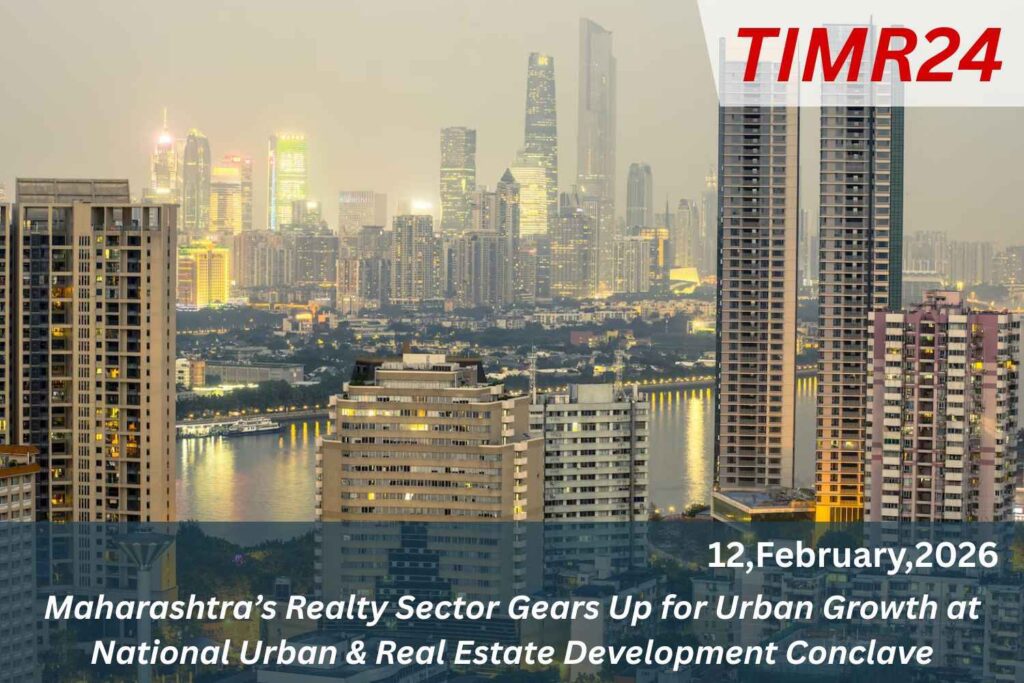
Maharashtra’s real estate sector is pivotal to the state’s urban growth, aided by infrastructure development and industrial activity. The state will showcase its urban development initiatives at the National Urban and Real Estate Development Conclave 2026 in New Delhi, focusing on enhancing infrastructure, housing supply, and sustainable city growth in regions like the Mumbai Metropolitan Region and Pune. Key topics of discussion will include transit-oriented development, rental housing, urban redevelopment, regulatory reforms, and digital property transactions, aligning with the vision of Viksit Bharat 2047. NAREDCO leaders emphasize the importance of dialogue and reforms to drive sustainable.
National Urban & Real Estate
Urban development and attract investments, making this conclave a vital platform for shaping India’s urban landscape amid rising urbanization Maharashtra’s real estate sector is entering a transformative phase as stakeholders gathered at the National Urban & Real Estate Development Conclave to discuss strategies for sustainable urban expansion, infrastructure modernization, and housing development across the state. With rapid population growth, increasing migration toward metropolitan regions, and rising demand for modern infrastructure, Maharashtra has emerged as one of India’s most dynamic real estate markets.
The conclave provided a platform for policymakers, developers, urban planners, and investors to deliberate on future-ready urban ecosystems, innovative construction technologies, and policy frameworks that can accelerate economic development while ensuring balanced regional growth. According to insights shared during the event, the state government is focusing on improving connectivity, promoting affordable housing initiatives, and encouraging private sector participation to strengthen the real estate ecosystem A key theme discussed at the conclave was the growing importance of urban infrastructure in driving economic productivity and enhancing quality of life.
Metro Rail Networks And Expressways
Maharashtra’s major cities, including Mumbai, Pune, Nagpur, and Nashik, are witnessing unprecedented demand for residential and commercial spaces due to industrial expansion, IT sector growth, and infrastructure projects such as metro rail networks and expressways. These developments have significantly influenced property demand, pushing authorities to adopt integrated planning models that combine transportation, housing, and commercial development. The concept of transit-oriented development was emphasized as an essential strategy to reduce congestion and promote sustainable urban mobility. Developers highlighted that better connectivity leads to.
Increased property values and attracts investment in emerging urban clusters. smart governance systems, and sustainable development practices, which continue to shape Maharashtra’s real estate growth trajectory Another important aspect highlighted during the conclave was the emphasis on affordable housing and inclusive urbanization. Rapid urban migration has created significant pressure on housing supply, making affordability a major concern for middle- and lower-income groups. Government initiatives such as affordable housing schemes and regulatory reforms are encouraging developers to focus on cost-effective construction models and efficient.
Accelerating Housing Project
Land utilization the sector, ensuring better protection for homebuyers and enhancing investor confidence. Policy experts at the conclave stressed that regulatory clarity and streamlined approval processes are essential for accelerating housing projects and meeting the growing demand for residential units. By integrating sustainable construction methods and adopting innovative building technologies, the state aims to reduce project costs while maintaining quality standards The conclave also explored the role of technology in transforming the real estate landscape. Digitalization, data-driven planning, and the adoption of smart construction techniques are enabling.
Developers to improve efficiency, reduce construction timelines, and enhance project management. Technologies such as building information modeling, artificial intelligence-based planning tools, and green building solutions are gaining prominence in Maharashtra’s real estate projects. These innovations not only improve operational efficiency but also contribute to environmental sustainability by reducing energy consumption and carbon emissions. Experts emphasized that technology adoption will be a key factor in shaping future urban development, particularly as cities strive to become more resilient and environmentally responsible.
Robust Infrastructure Network
Investment opportunities in Maharashtra’s property market were another major focus of discussion. The state continues to attract domestic and international investors due to its strong economic base, strategic location, and robust infrastructure network. Participants at the conclave noted that infrastructure projects such as highways, industrial corridors, and logistics hubs are creating new growth opportunities for real estate development. The government’s focus on improving ease of doing business and promoting public-private partnerships is expected to further strengthen the investment climate Environmental sustainability and climate-resilient infrastructure were highlighted.
As essential components of future urban planning. As urbanization accelerates, cities face challenges related to resource management, waste disposal, and environmental degradation. The conclave emphasized the importance of green buildings, renewable energy integration, (India) and eco-friendly construction materials to reduce the environmental impact of urban development. Developers are increasingly adopting sustainable practices such as rainwater harvesting, energy-efficient designs, and waste management systems to meet regulatory requirements and enhance long-term value. These initiatives align with national sustainability goals and demonstrate the sector’s commitment to responsible development.
The role of infrastructure connectivity in shaping urban growth was another significant topic discussed during the event. Large-scale transportation projects, including metro expansions, coastal road developments, and expressway networks, are improving accessibility and opening new areas for real estate development. Improved connectivity not only reduces travel time but also supports economic activity by facilitating business operations and employment opportunities. Urban planners emphasized the need for integrated infrastructure planning to ensure balanced development across regions and prevent overcrowding in major cities.
Expressway Networks, Are Improving Accessibility
By developing satellite towns and promoting regional growth centers, Maharashtra aims to create a more distributed urban landscape that supports sustainable expansion In addition to infrastructure and housing, the conclave addressed the importance of policy innovation and governance reforms in supporting real estate growth. Transparent regulatory frameworks, efficient land management systems, and digital approval mechanisms were identified as key factors in improving project execution and investor confidence. Experts highlighted the need for collaborative efforts between government agencies, private developers, and financial institutions to create a robust real estate ecosystem.
The integration of digital governance tools and streamlined administrative processes can significantly reduce delays and enhance project efficiency The discussions also underscored the social impact of urban development, emphasizing the need for inclusive growth that benefits all sections of society. Urban planning must consider access to essential services such as healthcare, education, and public amenities to ensure equitable development. By creating well-planned urban environments, Maharashtra aims to enhance living standards and promote social well-being. The development of smart urban spaces with advanced infrastructure and efficient public services is expected to play.
A crucial role in shaping the future of cities across the state Overall, the National Urban & Real Estate Development Conclave highlighted Maharashtra’s commitment to building sustainable, inclusive, and future-ready urban environments. The state’s focus on (India) infrastructure modernization, affordable housing, technological innovation, and environmental sustainability reflects a comprehensive approach to urban development. As investment flows continue to increase and policy reforms strengthen the regulatory framework, Maharashtra’s real estate sector is well positioned to.
Drive economic growth and support the evolving needs of its rapidly expanding urban population. The insights shared during the conclave demonstrate that strategic planning, collaborative governance, and sustainable practices will be essential in shaping the next phase of urban transformation in Maharashtra, ensuring long-term growth and improved quality of life for residents across the state.
Q1. What is the National Urban & Real Estate Development Conclave?
It is a platform where government officials, developers, and urban planners discuss infrastructure growth, housing, and real estate development strategies.
Q2. How will Maharashtra’s realty sector benefit from the conclave?
It will boost investment, promote smart city development, and improve urban infrastructure planning.
Q3. What role does urbanization play in Maharashtra’s growth?
Urbanization supports economic expansion, housing demand, infrastructure development, and employment generation.
Q4. Which areas are expected to see major real estate growth?
Mumbai Metropolitan Region, Pune, Nagpur, and emerging smart city locations are expected to expand rapidly.
Q5. How does the conclave impact housing affordability?
It promotes policy reforms, affordable housing initiatives, and better urban planning frameworks.