













IST - Tuesday, April 7, 2026 5:59 am
Hot News

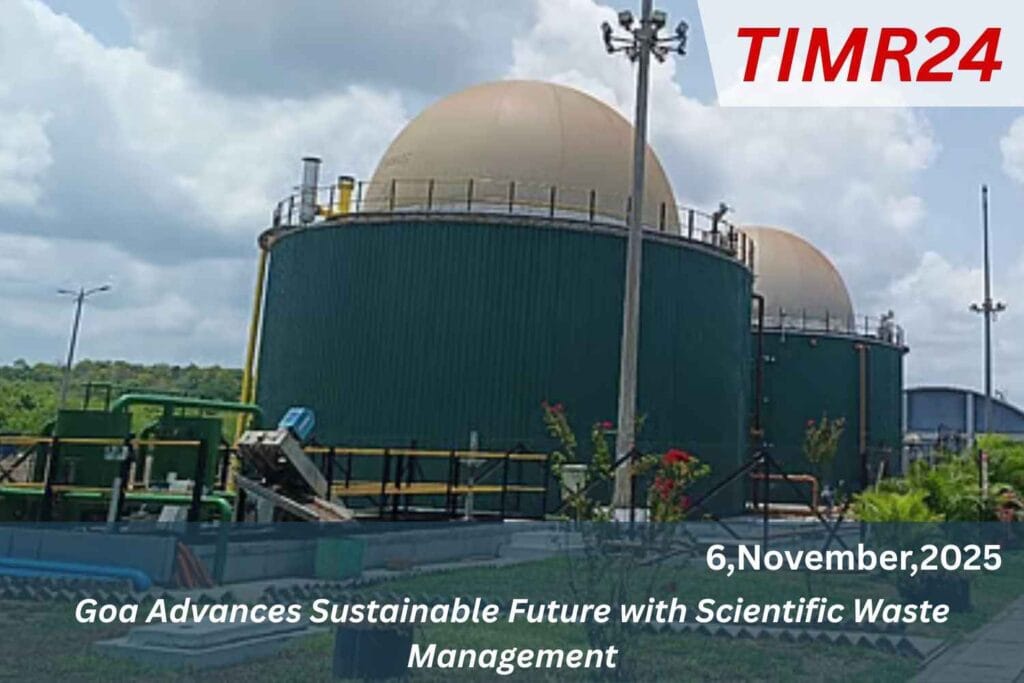
Goa Advances Sustainable Future with Scientific Waste Management

Soniya Gupta

Updated on:

Goa

Chief Minister Pramod Sawant Emphasized Goa’s dedication to environmental sustainability via responsible waste management, particularly with the Common Hazardous Treatment and Storage Facility. This facility plays a crucial role in managing hazardous waste safely and efficiently, bolstering local employment with 80% of its workforce being Goan youth. Sawant reaffirmed that the state’s (India) environmental policies aim for long-term ecological balance and sustainable development Goa, one of India’s most popular tourist destinations, is now leading a transformative journey toward a cleaner, greener, and more sustainable future. With its pristine beaches, rich biodiversity, and vibrant cultural heritage.

The state recognizes the urgent need to protect its environment from the mounting challenges of waste generation. The Goa government’s recent focus on scientific waste management marks a pivotal step toward sustainability, blending innovation, community participation, and advanced technology. Through well-planned waste segregation, recycling initiatives, and modern treatment facilities, Goa is setting a model for other states in India to emulate Over the past few years, Goa has transitioned from conventional waste disposal methods to a scientific management model. This shift is driven by the government’s resolve to minimize landfill dependency and maximize resource recovery.

The Department of Science, Technology and Waste Management (DSTWM) and the Goa Waste Management Corporation (GWMC) have implemented systematic measures that focus on segregation at source, collection efficiency, and material recovery. By introducing decentralized waste processing units in both North and South Goa, the state aims to reduce transportation costs and carbon emissions while ensuring waste is treated closer to its origin These centers use advanced methods like bio methanation, composting, and refuse-derived fuel (RDF) conversion. The Saligao Waste Treatment Plant in North Goa, for instance, has become a benchmark in waste-to.

Role of Technology and Innovation in Waste Processing

Energy conversion, processing over 100 tons of waste daily. This facility not only diverts waste from landfills but also generates energy for local use proving that waste can indeed be a resource when managed scientifically. Technology has emerged as a cornerstone of Goa’s waste management strategy. Modern tools like GPS-based waste collection tracking, smart bins, and waste analytics systems are enhancing operational transparency. The use of data-driven systems helps authorities monitor waste collection frequency, optimize routes, and identify areas needing attention. Additionally, mobile applications have been introduced to promote citizen participation.

Enabling residents to lodge complaints, track collection schedules, and learn proper waste segregation practices Scientific composting units and advanced sorting machines are further revolutionizing waste processing. These technologies separate biodegradable and non-biodegradable materials effectively, allowing for the recovery of recyclables such as plastic, glass, and metals. The compost generated from organic waste is repurposed for agriculture, thus contributing to a circular economy. Goa’s approach demonstrates that integrating modern technology with local awareness can significantly reduce the environmental footprint of waste management.

A key factor behind Goa’s success lies in its emphasis on community involvement. The government has launched several awareness drives in collaboration with schools, self-help groups, and local panchayats to educate citizens on segregation at source. Campaigns like “Clean Goa, Green Goa” and “Zero Waste Goa” encourage behavioural change through education, door-to-door outreach, and social media engagement Local residents are being motivated to adopt the “3R” principle Reduce, Reuse, and Recycle through hands-on workshops and incentive-based programs. Tourists, too, are being urged to act responsibly, with signage and waste segregation bins  installed across beaches, markets, and hotels.

Government Policies and Institutional Framework

The tourism department has partnered with hospitality businesses to ensure waste is properly sorted and disposed of, thereby maintaining Goa’s ecological charm. The integration of public awareness with enforcement measures such as fines for littering and non-segregation ensures accountability at every level The Goa government’s waste management strategy aligns with national programs such as the Swachh Bharat Mission (Urban) and Solid Waste Management Rules 2016. Under these frameworks, the state has established a robust policy environment that emphasizes sustainability, scientific treatment, and compliance. The Goa Waste Management Corporation acts as the nodal agency.

Coordinating between municipal councils, private partners, and local communities In addition, Goa has made impressive progress in constructing modern waste treatment plants. Facilities like the Cacora waste management plant in South Goa and the expanded Saligao unit symbolize the government’s commitment to scientific disposal. Special focus is also given to biomedical and hazardous waste treatment, ensuring safe disposal practices that prevent contamination of land and water resources Policies also encourage private sector participation through public-private partnerships (PPPs). These collaborations have brought efficiency and innovation to the system.

Enabling to scale its waste management capabilities effectively. By 2025, the government aims to make Goa India’s first “Zero Waste State,” a goal that highlights its proactive approach to sustainability Plastic waste remains one of the major challenges in due to the tourism-driven economy. To address this, the state has implemented strict bans on single-use plastics and introduced alternatives like biodegradable packaging. Coastal clean-up drives, often conducted with the help of NGOs and volunteers, target marine litter and plastic waste accumulated along beaches Projects like the “Adopt-a-Beach” initiative have encouraged businesses, schools, and civil society organizations to maintain.

Linking Waste Management with Renewable Energy

Specific stretches of coastline. Moreover, collaborations with recycling startups are promoting plastic waste repurposing into construction materials and furniture. This dual approach prevention and reuse is helping Goa preserve its marine ecosystems while creating employment opportunities in the recycling sector. Goa’s waste management initiatives are also linked to renewable energy production. By utilizing bio methanation and waste-to-energy technologies, the state is turning organic waste into biogas and electricity. These sustainable energy solutions not only reduce the pressure on fossil fuels but also ensure that waste is utilized productively.

The Saligao Waste-to-Energy Plant is a prime example of this integration. The plant processes municipal waste to generate power, demonstrating how scientific waste management can support energy independence. The government also plans to expand such initiatives across other districts to create a self-sustaining energy-waste ecosystem The long-term vision for Goa’s waste management extends beyond just disposal it’s about creating a circular economy where every resource is reused, recycled, or recovered. The government aims to establish decentralized waste management systems in every village and municipality, supported by advanced recycling hubs and composting units.

Future initiatives include expanding e-waste collection centers, integrating artificial intelligence in waste sorting, and promoting sustainable product design to minimize waste generation. Through policy innovation, citizen engagement, and technological advancement is building a model of sustainability that other Indian states can follow progress in scientific waste management illustrates how a small state can achieve big results through strategic planning, technological adoption, and community empowerment.

From smart waste collection to energy recovery, the state’s initiatives are redefining environmental responsibility. As continues its journey toward a zero-waste, circular (Chosen) economy, it stands as an inspiring model for sustainable urban governance across India. Its commitment to innovation and ecological balance ensures that the “Pearl of the Orient” will continue to shine clean, green, and future-ready.

Q1. What is scientific waste management in Goa?
Scientific waste management involves using technology-driven processes for segregation, recycling, and energy recovery to minimize environmental impact.

Q2. What are the key facilities under waste management system?
Facilities include Material Recovery Facilities (MRFs), decentralized composting units, and waste-to-energy plants at Saligao and Cacora.

Q3. How is the Goa government promoting citizen participation?
Through awareness campaigns, door-to-door collection, and educational programs encouraging segregation and recycling at the household level.

Q4. What are Goa’s goals for 2030 under sustainable development?
To achieve zero landfill waste, 100% recycling, and a circular economy model through innovation and citizen cooperation.

Q5. How does Goa’s initiative align with national and global sustainability goals?
It supports India’s Swachh Bharat Mission, Smart Cities Mission, and UN Sustainable Development Goals (SDGs).