





Union Finance Minister Nirmala Sitharaman presented the Interim Budget 2024, focusing on infrastructure, agriculture, green growth, railways, youth, and women empowerment. The budget lowered the FY25 fiscal deficit target to 5.1% of the GDP, with a capital expenditure increase of 11.1% for infrastructure development and employment generation. The total size of the 2024-25 Interim Budget stands at Rs 47.66 lakh crore, 6.1% bigger than the revised estimate for 2023-24. Prime Minister Shri Narendra Modi hailed the budget as an inclusive and innovative one, aiming to empower all pillars of developed India, including the youth, poor, women, and farmers.
The budget also announced a record-breaking capital expenditure of 11.11 trillion rupees for infrastructure creation in the fiscal year beginning April 1, 2024. The outlay for Indian Railways for FY 2024-25 is Rs 2.5 lakh crore, nearly 5% higher than last year. The government has announced the implementation of three major economic railway corridor programs aimed at enhancing logistics efficiency and reducing costs Cement companies have given a thumbs up to the Union Budget proposal to develop a cement corridor, which will help improve logistics efficiencies and boost multimodal connectivity. The number of airports in the country has doubled to 149 in ten years, and more.
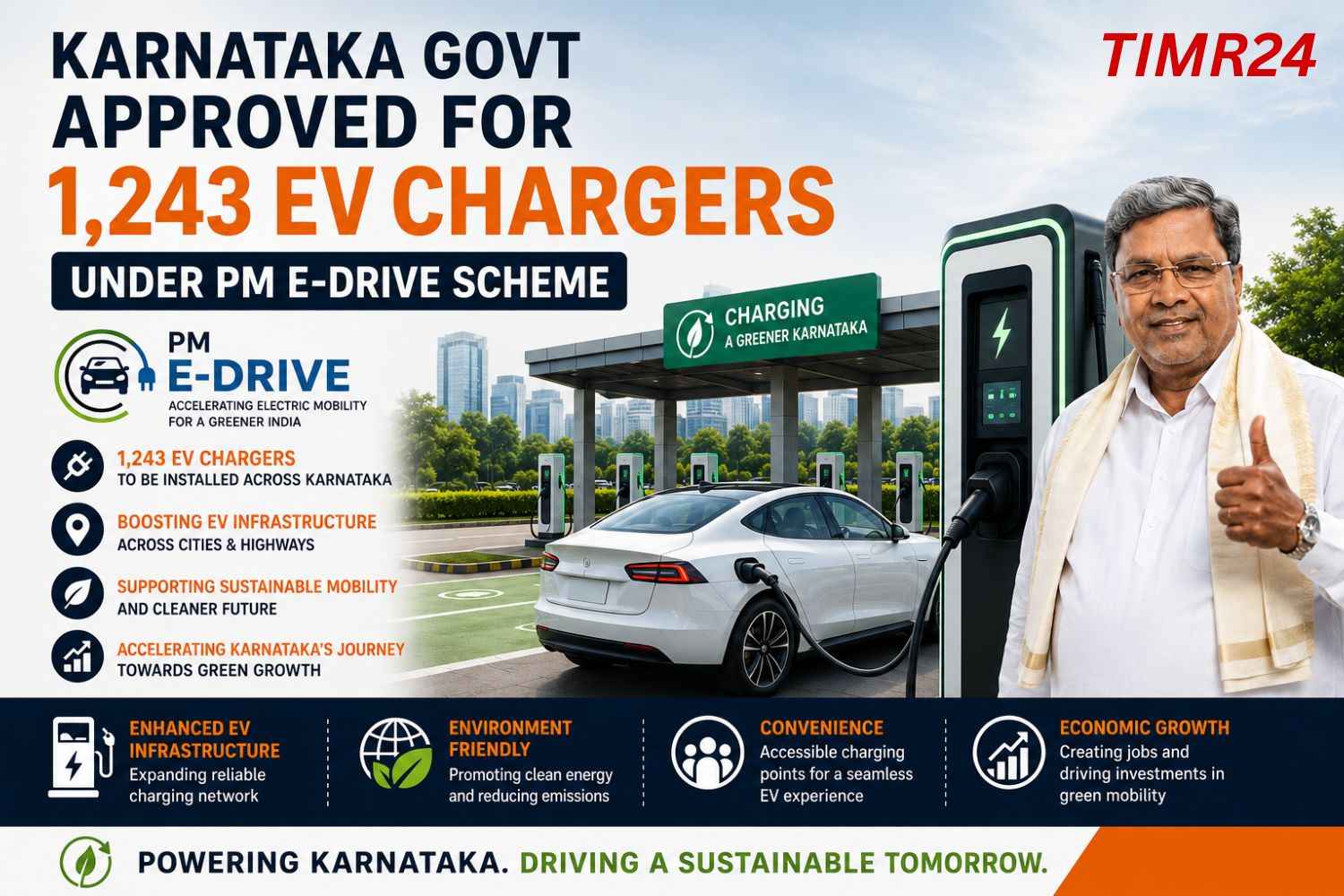
Cities are brought under airman through the UDAN Scheme. The Indian government has proposed a budget increase of Rs 270 crore for the Product Linked Incentive (PLI) scheme for specialty steel, aiming to ensure raw material supply for the steel sector in 2024. The revised allocation comes amid the government’s plans to introduce PLI 2.0 to ensure raw material supply. The scheme is expected to generate an investment of about Rs. 30,000 crores and create 25 million tonnes of specialty steel in the next five years. The budget also includes measures for green growth, renewable energy, e-vehicle ecosystem expansion, bio-manufacturing and bio-foundry.
PM Awas Yojana (Grameen), port connectivity, tourism infrastructure, and amenities on the country’s islands. The government aims to make the eastern region a powerful driver of India’s growth and encourages the development of iconic tourist centres The Indian government has announced a new fiscal policy, GST, which aims to unify the country’s highly fragmented indirect tax regime. The tax base of GST has more than doubled, and the average monthly gross GST collection has almost doubled to Rs. 1.66 lakh crore this year. The biggest beneficiaries are consumers, as reductions in logistics costs and taxes have brought down prices of most goods and services.
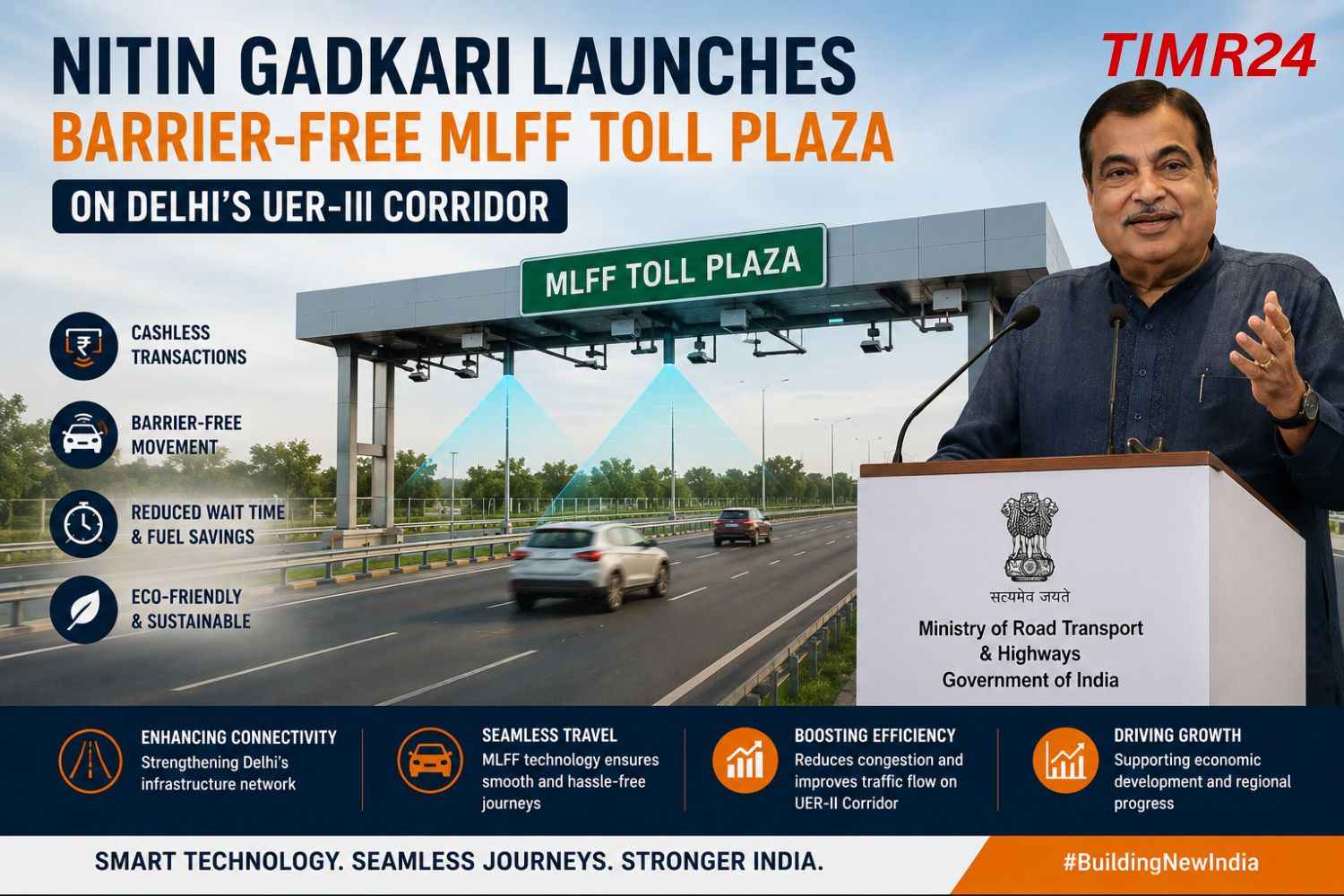
The government has also boosted infrastructure spending, with an 11% enhanced allocation of Rs. 11.11 lakh crore made towards the sector to support India’s transition into a developed economy. The budget also includes initiatives for women, youth, farmers, and weaker sections of society. The government has also emphasized the development of tourism in the country, with projects for port connectivity, tourism infrastructure, and amenities generating employment. The Ministry of Road Transport & Highways’ capital allocation increased by 3% to Rs. 2.72 trillion in FY2025 BE from Rs. 2.65 trillion in FY2024 RE. The government’s policies have brought 250 million people out of poverty in the last 10 years.
The Indian Interim Budget, outlaying Rs. 11.11 lakh crore, focuses on infrastructure, housing, green energy initiatives, and innovation, setting the foundation for a 6-7% sustained GDP growth in the coming years. The budget also emphasizes green growth, particularly through the (National Highways Authority) promotion of electric public transport and charging infrastructure development. The government’s emphasis on affordable housing aligns with the broader vision of inclusive and accessible living The budget is an India-first initiative, aiming to become a 5 trillion-dollar economy by 2025 and a developed nation by 2047. It also includes a Rs1 lakh crore fund for research and development and the startups sector.
The budget also recognizes innovation as a key driver for growth, offering a Rs1 lakh crore corpus for offering fifty-year interest-free loans to scale up R&D in sunrise domains The budget injects renewed vigour into the automotive industry by emphasizing green energy and infrastructure development, with a notable 11.1% increase in capital expenditure. It also addresses challenges in EV charging infrastructure and fostering entrepreneurial opportunities The budget acknowledges the government’s commitment to growing the economy in challenging geopolitical conditions. The 2024 Interim Budget focuses on the Individual House Builders (IHB) segment, particularly.
The new housing scheme for the middle class, which aligns with the nation’s socio-economic goals. The government’s efforts to improve port connectivity, decongest high-traffic rail corridors, and transform metro rail are positive developments for the ready-mix concrete industry. The budget is people-centric, ensuring collective prosperity and inclusive development. The Direct Benefit Transfer provided by the government to farmers benefits over 11 crore farmers annually. The Deen Dayal Upadhyaya Grameen Kaushalya Yojana guarantees high-quality skill training opportunities for the rural poor, benefiting the artisan community and Bharat’s rich art and craft culture.
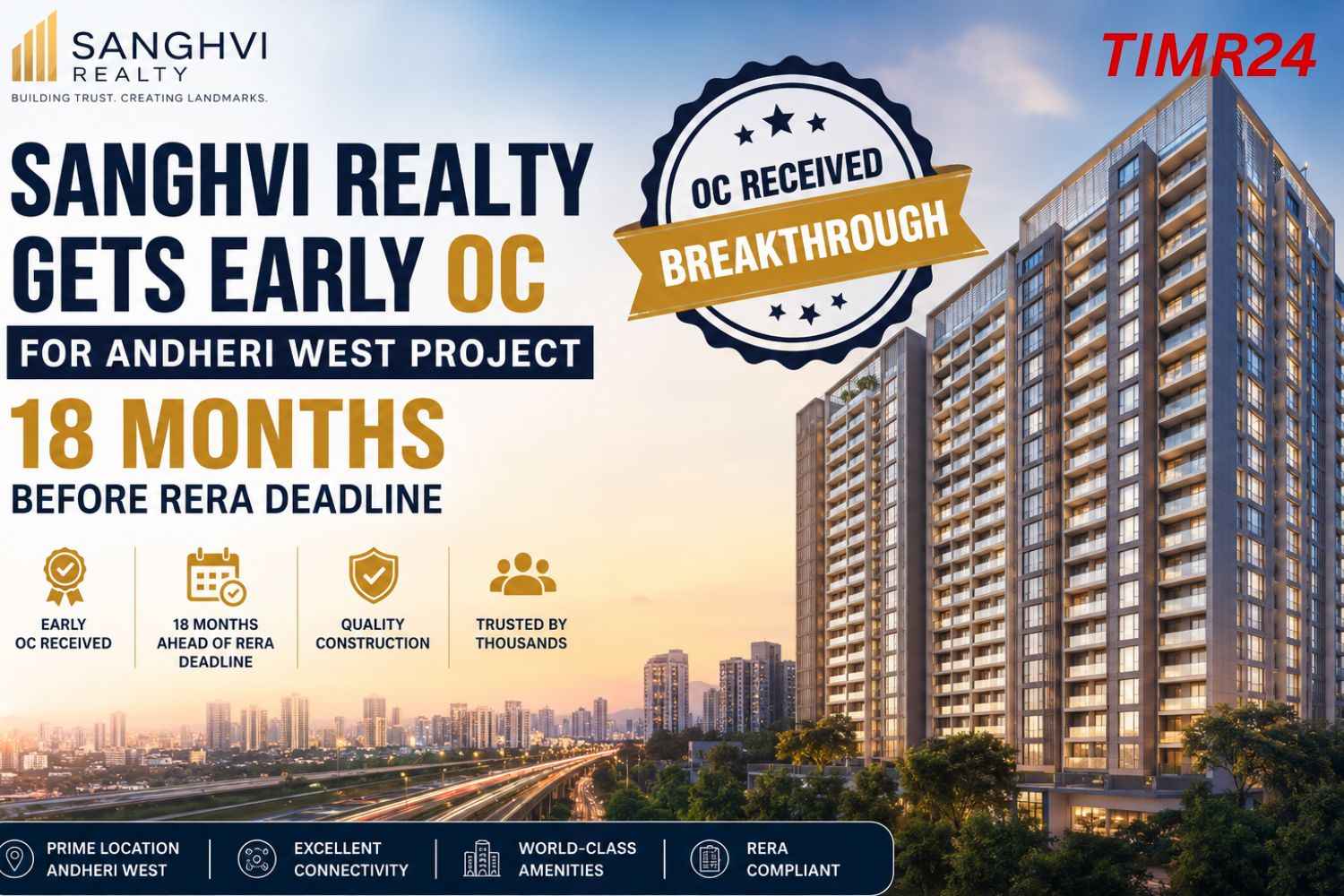
The government’s capital investment outlay for infrastructure is maintained at 3.4% of GDP (2024-25), in sync with 3.3% of GDP (2023-24). The budget also includes green energy initiatives, economic corridors, and off-shore wind projects. Finance Minister Nirmala Sitharaman’s housing announcements demonstrate a practical approach, with the plan to complete 3 crore houses under the PM Awas Yojana Grameen and an additional 2 crore in the next five years The Indian government has announced a Rs 11.11 lakh crore infrastructure push, supported by three railway corridors and housing for the middle class. This move is expected to create an ecosystem of ancillary players.
Equipment OEMs, and heavy machinery players. The PM Gati Shakti initiative, involving three major railway corridor programs, is expected to boost India’s economy and create a more efficient and connected India. The government’s focus on leveraging India’s natural and human resources through enabling schemes aligns with the vision of making India Atmanirbhar. The announcement of two crore new rural homes under the PM Awas Yojana Grameen Scheme and the establishment of an Urban Infrastructure Development Fund (UIDF) under the National Housing Bank signal a robust push for real estate growth. The budget also focuses on building digital public infrastructure and enabling multi-modal connectivity.
The focus on infrastructure is expected to catalyze investments and spur demand in sectors like steel, cement, iron ore, and transportation The Union Budget 2024-25 aims to foster growth, sustainability, and inclusivity in India by focusing on infrastructure, women’s empowerment, green growth, and GST reforms. The budget aims to increase the price ceiling on affordable housing from ₹45 lakhs to ₹90 lakhs, benefiting a large portion of the unorganised sector. The government’s efforts to deepen GST reforms, bio-manufacturing scheme, and multi-modal connectivity projects create a favourable environment for economic growth and job creation. The budget also encourages the promotion of accessible infrastructure.
With 40,000 rail bogies set to be converted to Vande Bharat coaches in the coming years. The budget also aims to boost domestic tourism, medical tourism, port connectivity, tourist infrastructure, and amenities. The real estate sector lauds the budget’s commitment to infrastructure development, focusing on infrastructure upgrades and connectivity, and addressing key sectors of the economy. Overall, the budget lays a robust foundation for India’s growth, fostering innovation and entrepreneurship The Indian government’s decision to boost rail connectivity through three corridors will have a positive cascading effect on ancillary industries, with component and bearing.
Manufacturers playing a crucial role. The proposed conversion of 40,000 standard bogies to Vande Bharat bogies underscores the government’s infrastructure push in the railway mobility sector. The Rs 11.11 lakh crore infrastructure push is expected to increase demand for construction bearings. The interim budget provides a directive on building infrastructure, with a 11% Capex target increase directly boosting the entire sector. The MSME sector will be disappointed, but plans to provide training to compete globally will help MSMEs become Indian MNCs. The Real Estate sector will have to wait for rationalization in GST rates for building materials. The government’s balance between growth targets.
Infrastructure development, sustainability goals, and concerns of common people is commendable. The proposed scheme to assist the middle class in acquiring or building their homes is a significant step in the right direction The interim budget for India aims to boost the economy by focusing on infrastructure, spending, and housing. It includes provisions for the real estate industry, empowering the middle class, and expanding metro train systems. The budget also emphasizes the importance of electric vehicles, a long-term solution for travel and reducing carbon emissions. The government’s commitment to infrastructure, spending, and housing has led to strong economic growth.
Aligning with the goal of making India a developed country by 2047. The goal of reaching Net Zero emissions by 2070 is a positive step towards protecting the environment The budget paints a bright picture for e-commerce and logistics, addressing bottlenecks and fostering innovation. The 11.1% boost in infrastructure spending, coupled with initiatives like PM Gati Shakti and the India Middle East Europe Economic Corridor, marks a pivotal moment for the industry. The strategic approach towards Amrit Kaal fosters sustainable growth, inclusivity, and improved productivity while creating opportunities for MSMEs to compete globally The budget’s emphasis on infrastructure development.
With a remarkable increase in allocation of over 10%, promises a multiplier effect, igniting economic growth engines and paving the way for substantial employment opportunities. However, more incentives and policy support for developers and homebuyers are needed to stimulate growth. The Indian government’s Budget 2024 aims to create a prosperous nation with modern infrastructure and opportunities for all citizens. The government has allocated ₹11,11,111 crore rupees, constituting 3.4% of the GDP, to infrastructure, a significant increase from the previous year. This investment, constituting 3.4% of the GDP, is expected to stimulate the real estate market and increase property values.
The vision of ‘Viksit Bharat’ is to create a prosperous nation (NHAI) harmony with nature, with modern infrastructure and opportunities for all citizens. The government’s commitment to infrastructure development is a key factor in achieving this vision.
Q1 What is the total allocation for infrastructure in Interim Budget 2024-25?
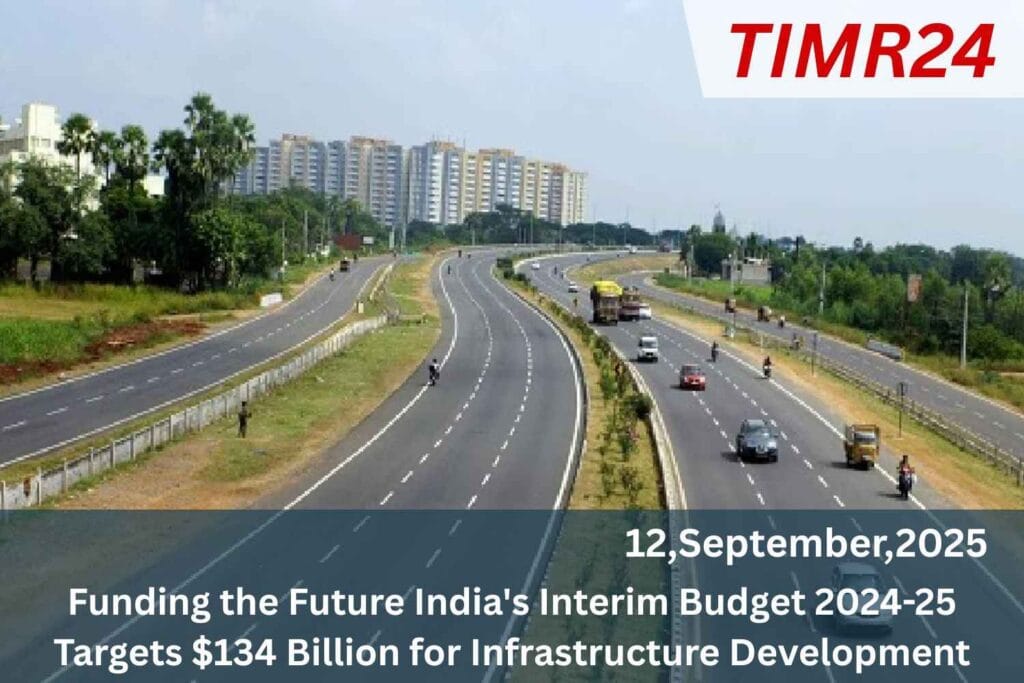
The budget earmarks $134 billion (approx. ₹11 lakh crore) for infrastructure projects.
Q2 Which sectors will benefit most from this allocation?
Transport, highways, renewable energy, digital infrastructure, and smart cities are key focus areas.
Q3 How does this budget support India’s economic growth?
It boosts job creation, strengthens logistics, supports manufacturing, and enhances investment opportunities.
Q4 Does the budget promote sustainable development?
Yes, by allocating funds to renewable energy, green transport, and smart urban development.
Q5 How will foreign investors benefit from these infrastructure projects?
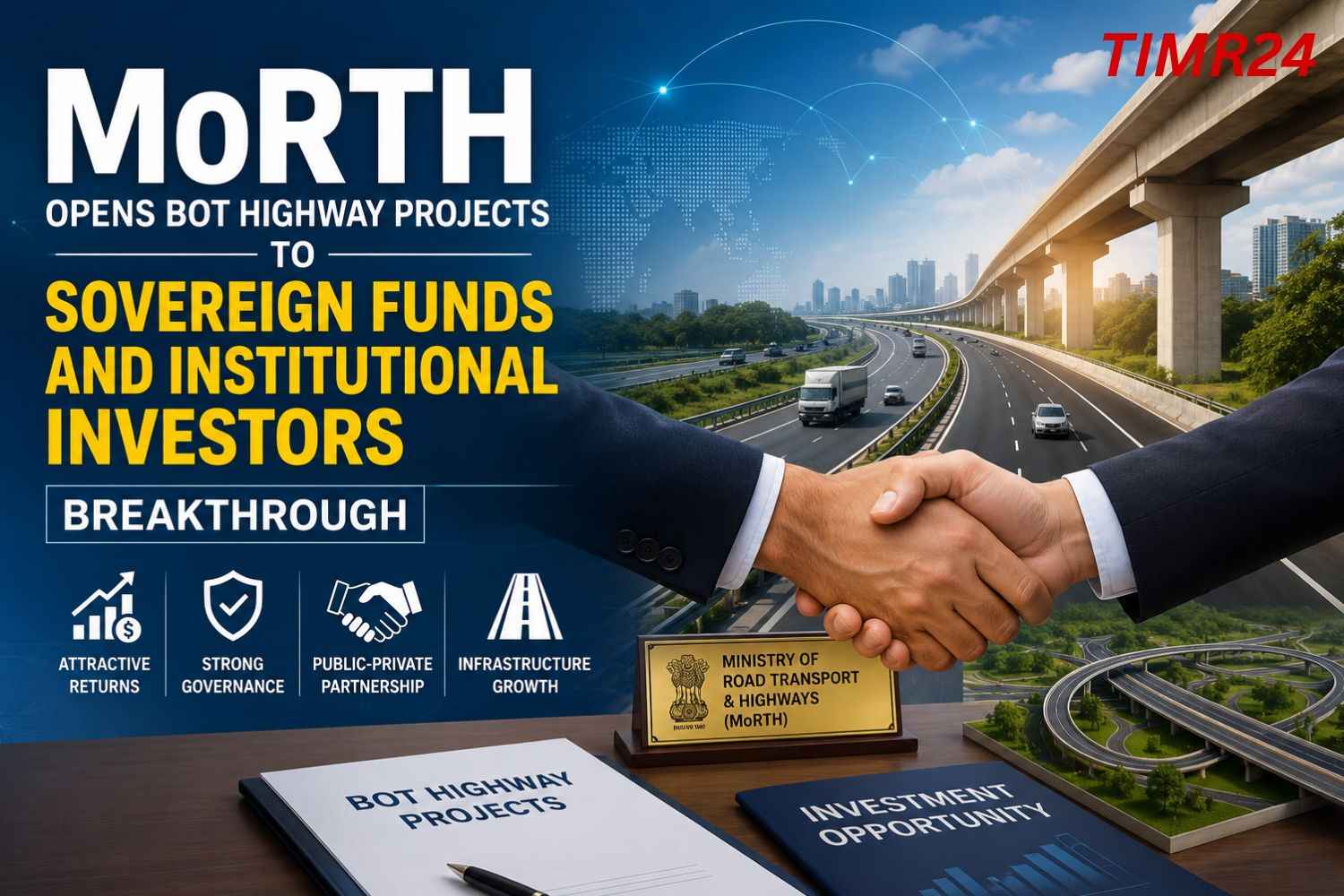
The government plans to expand PPP models, offering investors long-term growth opportunities in India.