










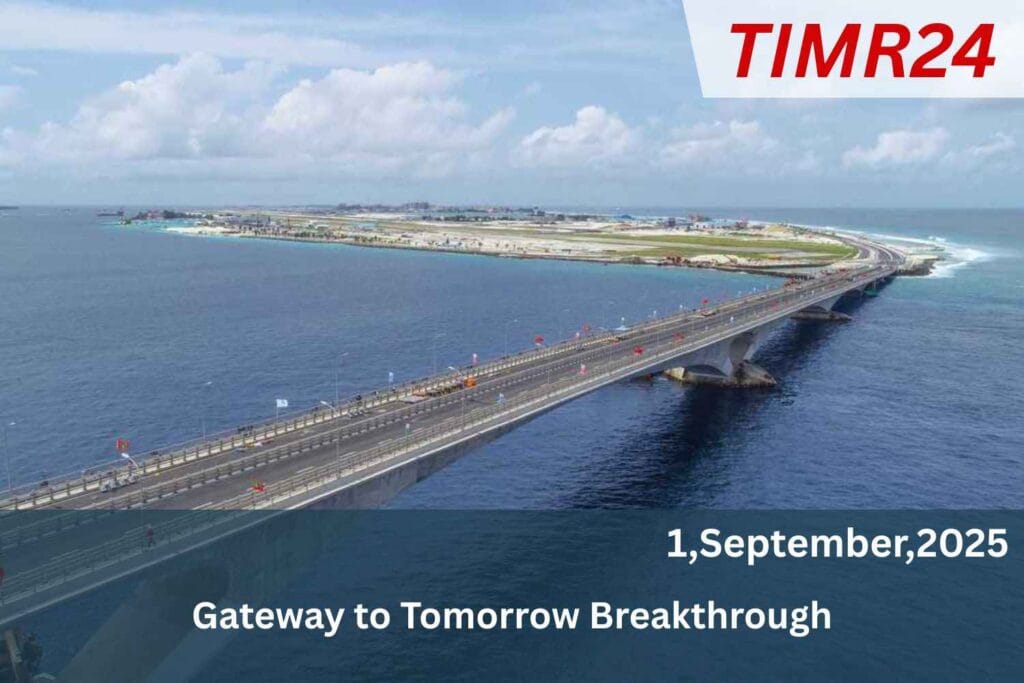
The new Gateway terminal building at Tuticorin Airport, costing around Rs 4.5 billion, is a landmark in design, engineering, and sustainability, covering 17,340 sq. m. The world today is undergoing rapid transformation where technology, sustainability, and connectivity are at the heart of progress. The Gateway to Tomorrow Breakthrough represents this evolution, acting as a bridge that connects the aspirations of today with the possibilities of tomorrow. At its core, the initiative is about shaping inclusive growth by integrating digital innovation, renewable energy, smart infrastructure, and global collaboration into a unified framework that benefits both present and future generations.
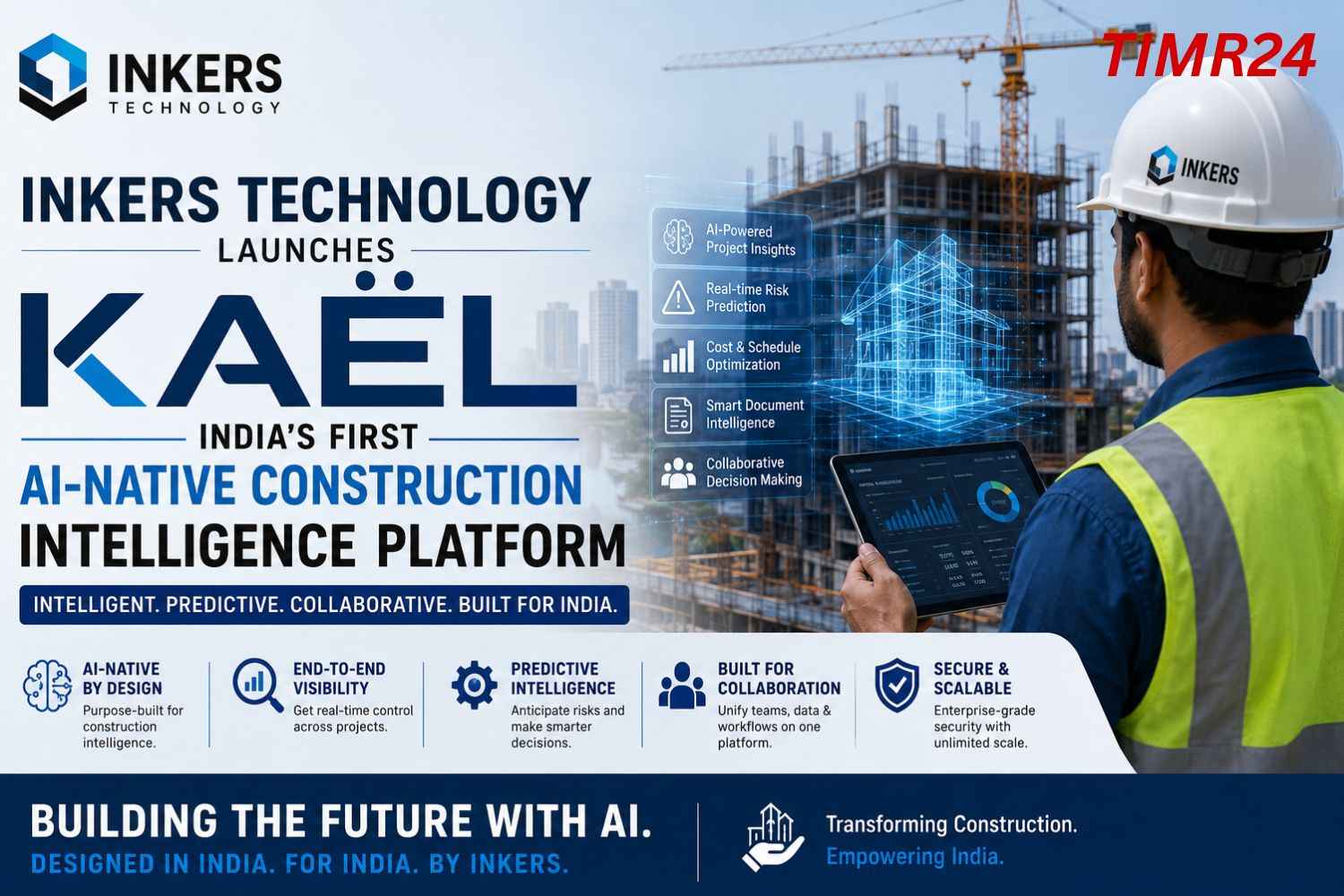
In the 21st century, no breakthrough is complete without the foundation of technology. The Gateway to Tomorrow is deeply rooted in emerging tools such as artificial intelligence (AI), blockchain applications, data-driven decision-making, and the Internet of Things (IoT). These innovations are not just enhancing convenience but also transforming industries such as healthcare, education, finance, and transportation. In India, the Digital India Mission (luxury) has already paved the way for integrating technology into governance and everyday life, and the Gateway to Tomorrow builds on this progress by envisioning smarter, more interconnected systems. For example, projects like the highlight how high-speed technology is redefining transportation and preparing societies for the next phase of urban living.
Smart Cities and Infrastructure Development
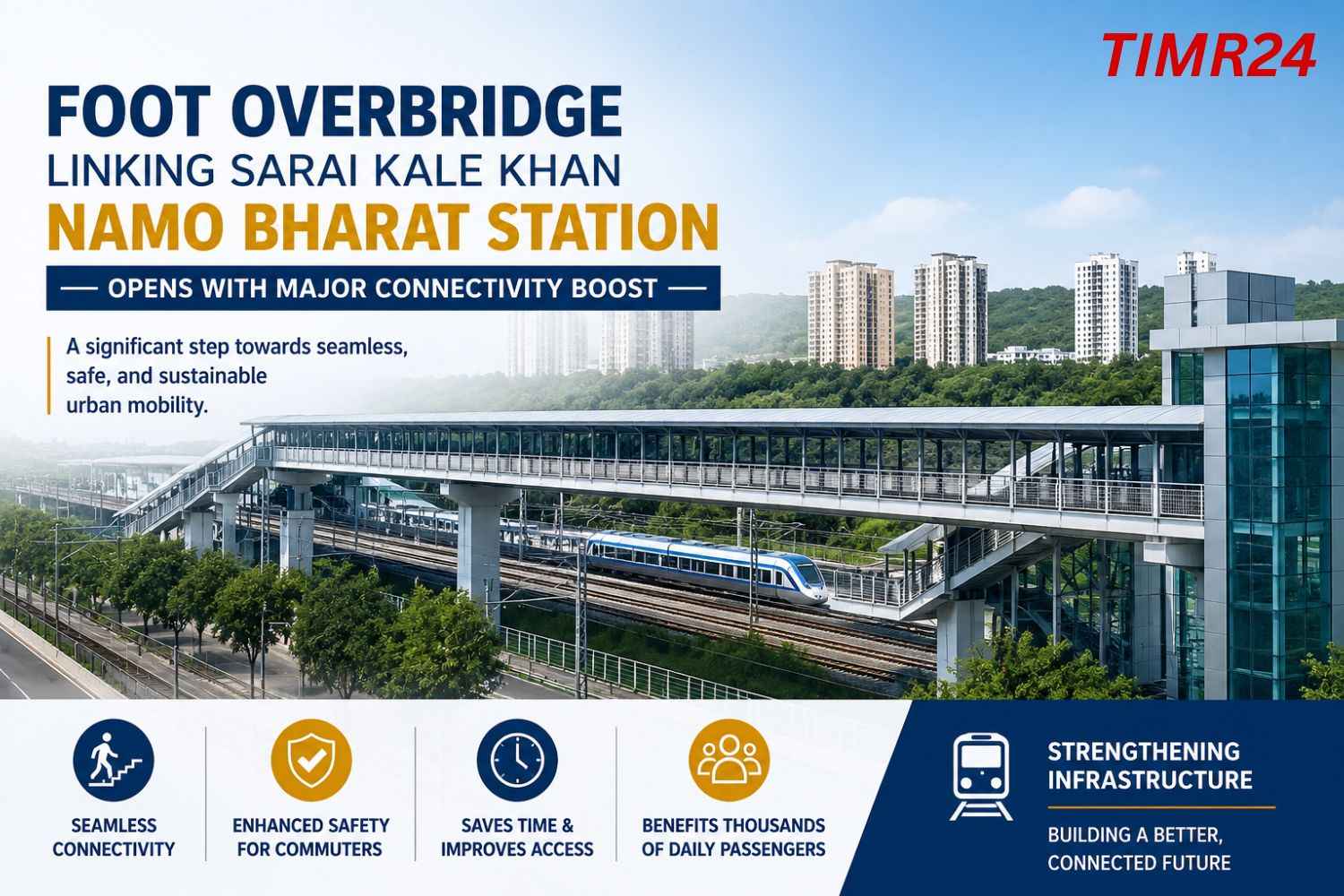
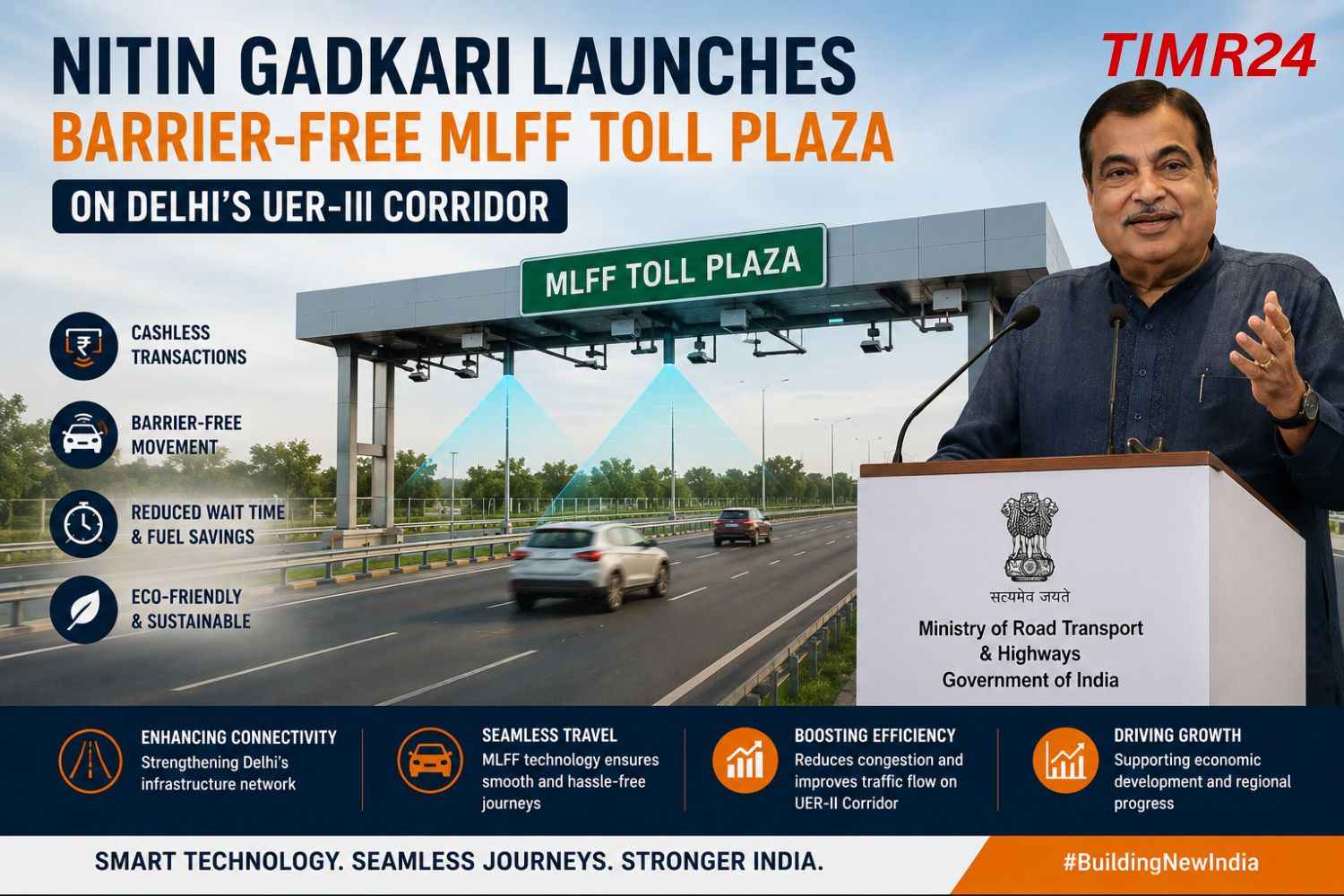
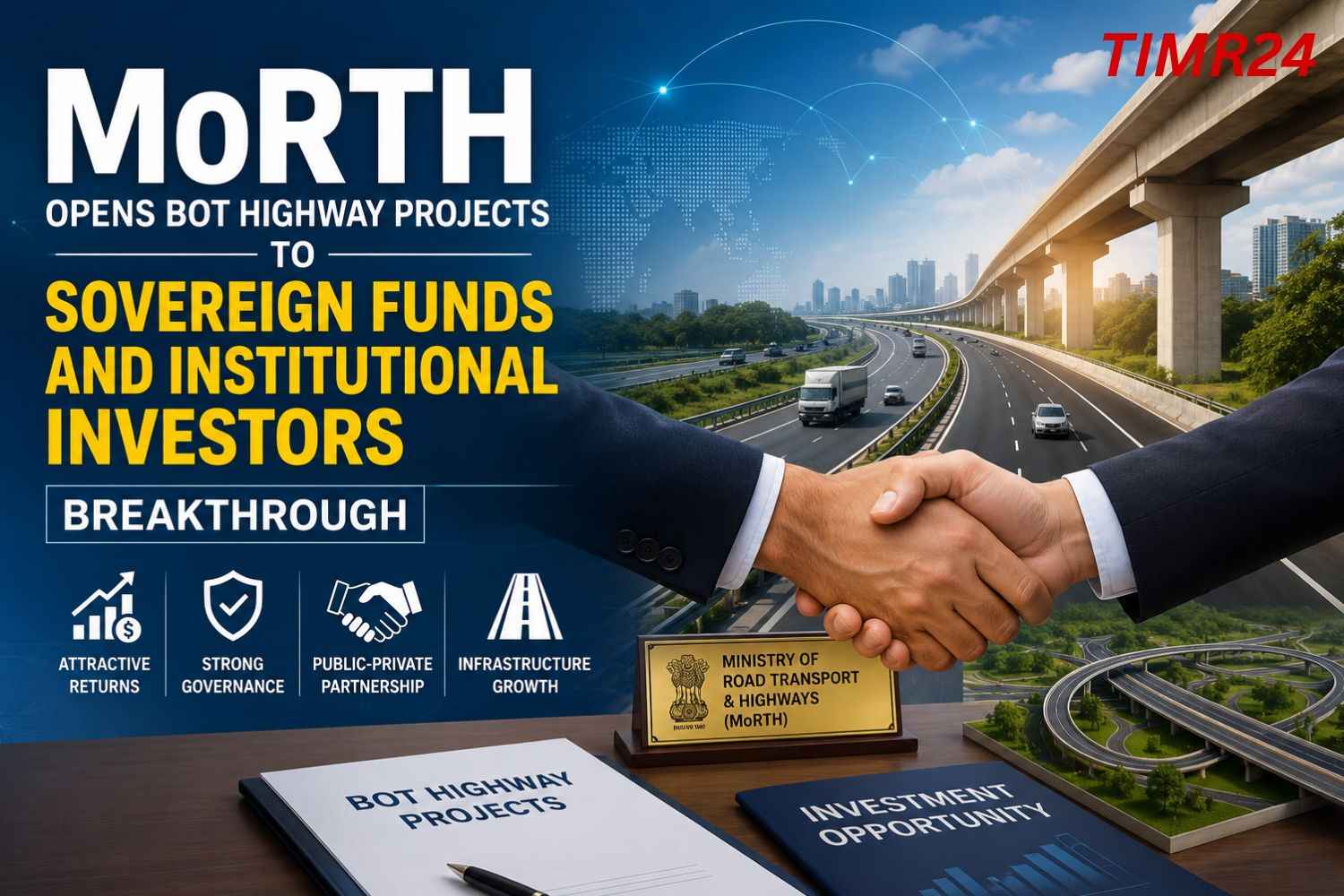
Urbanization is one of the defining trends of this century, and the Gateway to Tomorrow initiative places significant emphasis on creating future-ready smart cities. These cities are designed not only to provide basic amenities but also to integrate renewable energy systems, advanced traffic management, digital governance, and sustainable housing solutions. India’s Smart Cities Mission offers a clear roadmap, but the Gateway to Tomorrow aims to push it further by ensuring global scalability and adaptability. Internal references such as the illustrate how urban innovation is becoming central to long-term development. Similarly, mega infrastructure efforts like the play a vital role in strengthening connectivity and trade, which are essential for sustainable urban expansion.
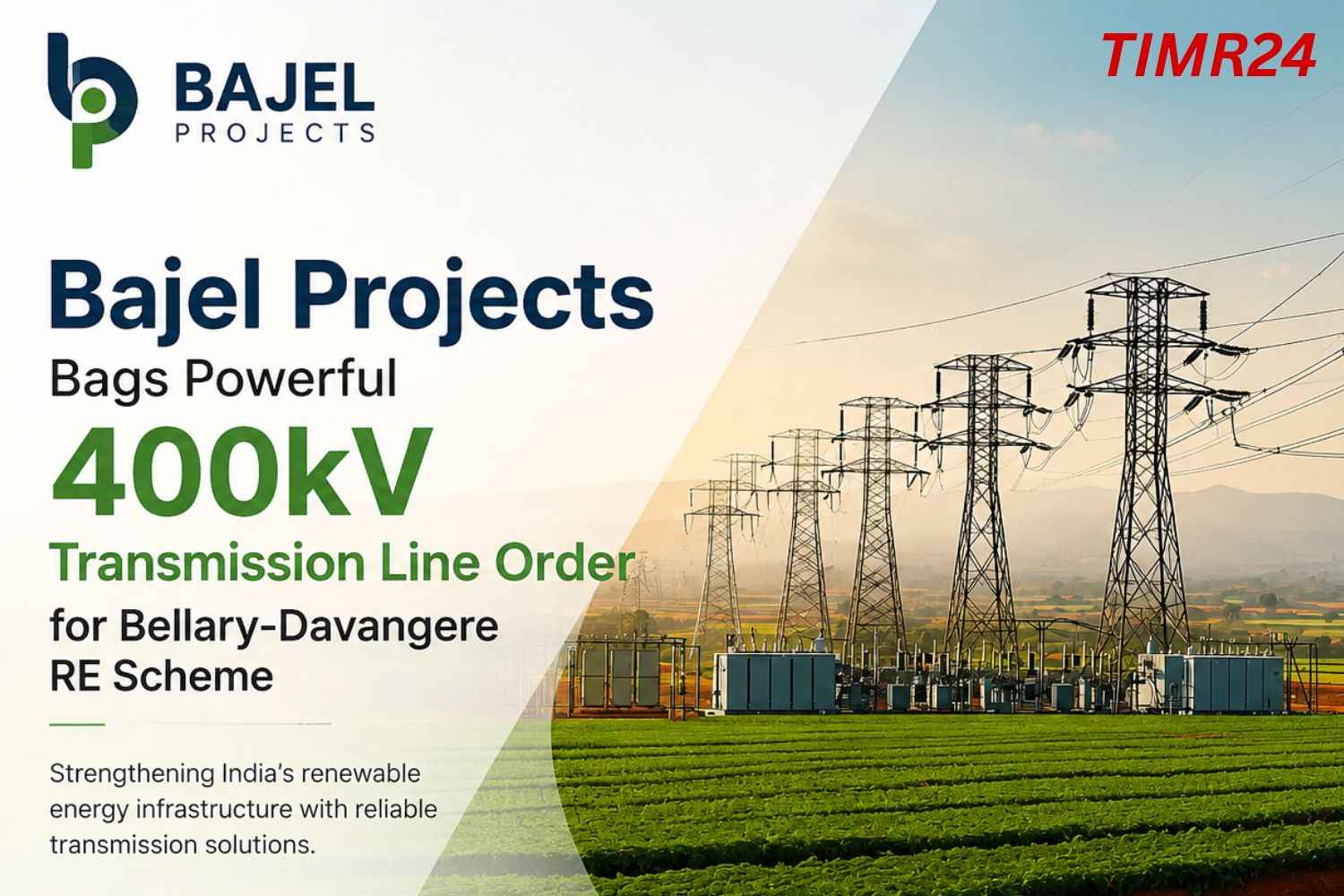
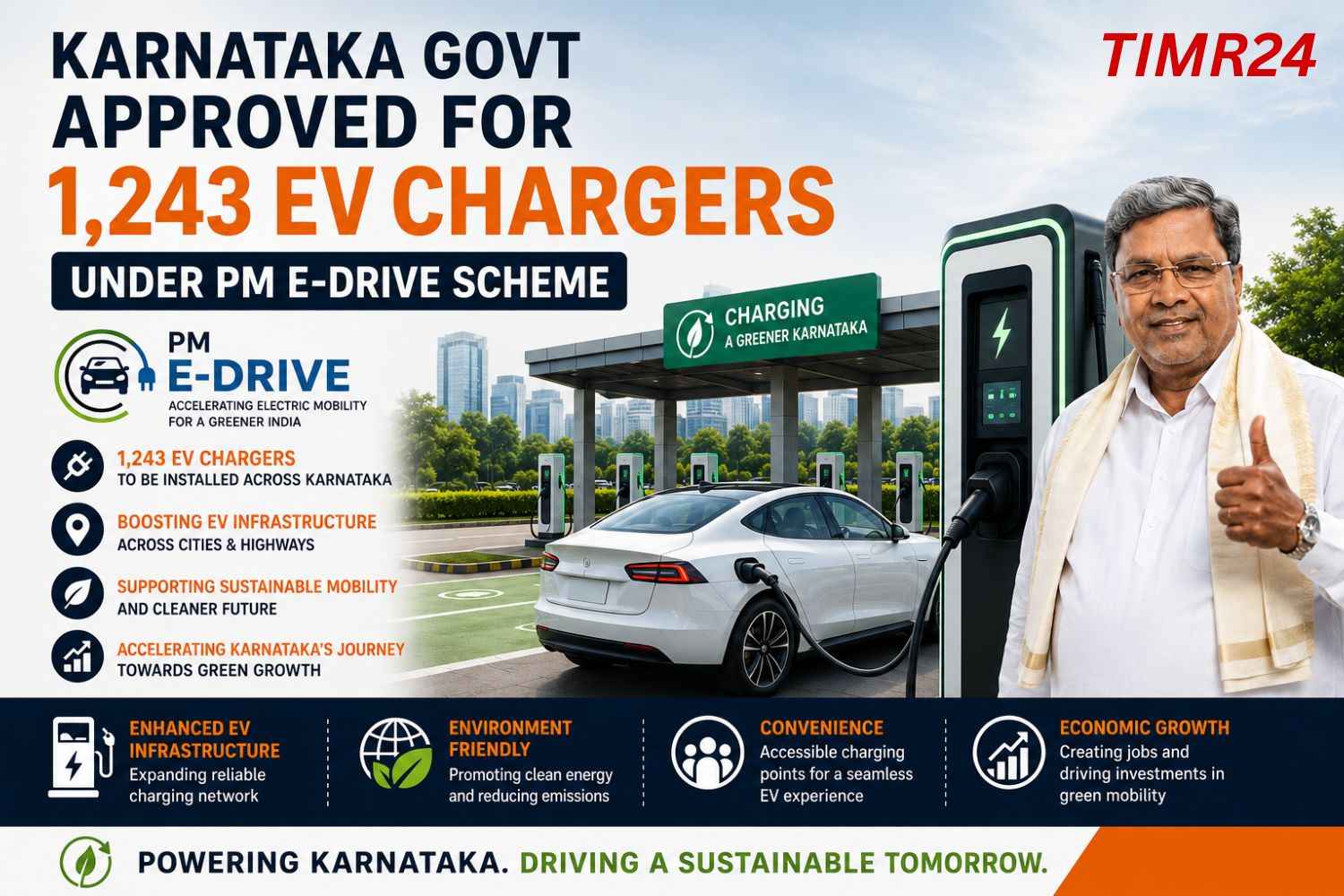
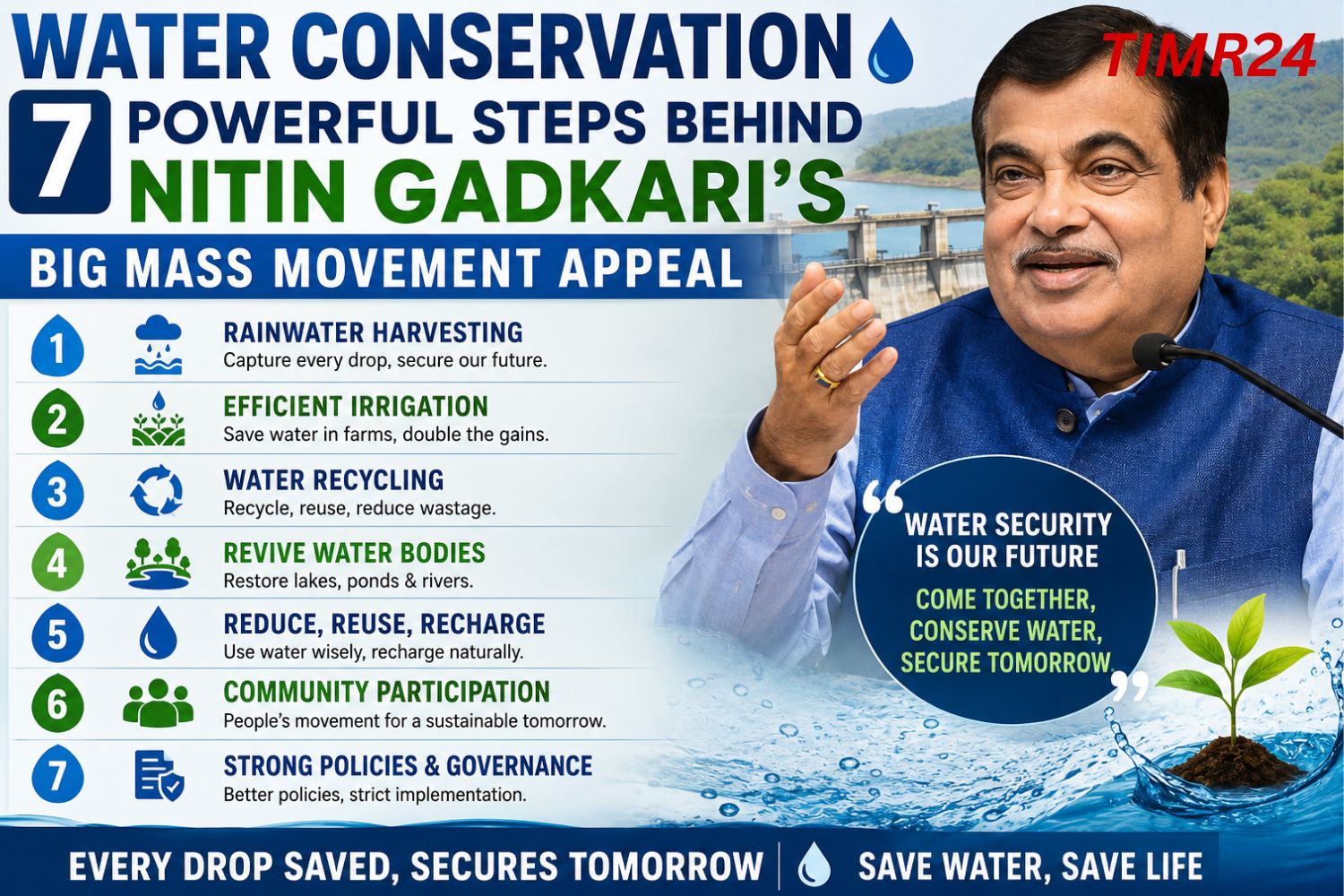
Perhaps the most crucial element of the Gateway to Tomorrow is its unwavering commitment to sustainability. The future cannot be built without addressing the pressing challenges of climate change and resource scarcity. This initiative promotes the widespread adoption of solar energy, wind farms, hydropower solutions, and green hydrogen technology. Global authorities such as the International Renewable Energy Agency (IRENA) have projected that renewable energy could meet the majority of power needs by 2050, and the Gateway to Tomorrow embraces this potential by positioning clean energy at the heart of growth. Projects like the showcase how the country is securing strategic resources needed for renewable energy production, ensuring that energy transitions are both efficient and reliable.
Education, Knowledge, and Skill Development
While technology and infrastructure shape the external world, education is the true backbone of any transformation. The Gateway to Tomorrow emphasizes digital learning platforms, reskilling initiatives, and innovation in education systems to ensure that societies are prepared for the demands of a digital economy. Collaboration with platforms like the National Digital Library of India demonstrates how inclusive access to knowledge can transform communities. By integrating skill-based programs and future-oriented learning, the initiative ensures that young professionals are empowered to lead industries of tomorrow.
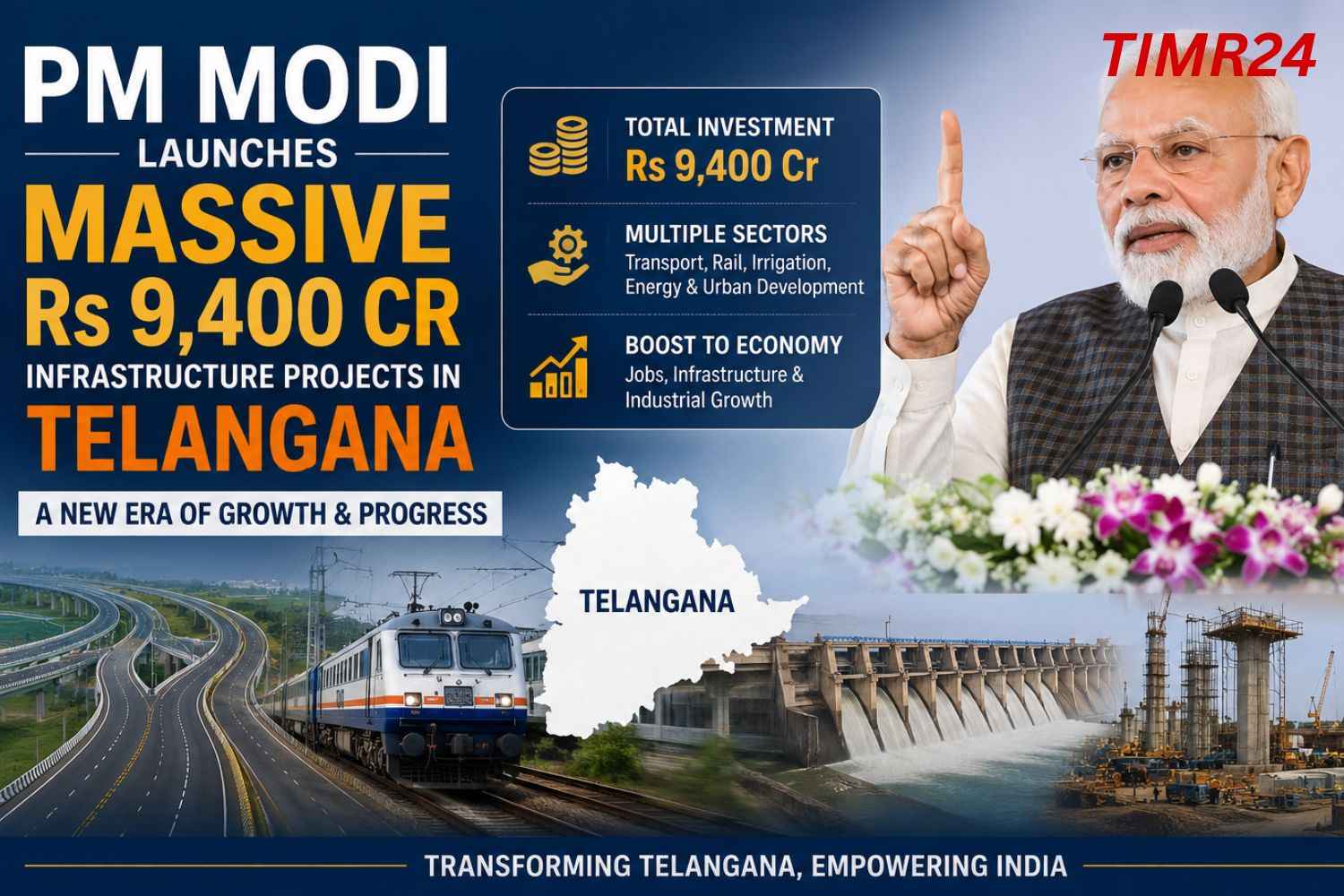
Another central theme of the Gateway to Tomorrow is its potential to generate large-scale employment and stimulate sustainable economies. The initiative encourages entrepreneurship, global trade, start-up ecosystems, and sectoral investments in areas like transportation, technology, renewable energy, and manufacturing. Programs such as PM Gati Shakti Mission already demonstrate how integrated economic planning can multiply opportunities, and the Gateway to Tomorrow aligns perfectly with these goals by expanding such frameworks on a global scale. From to mega industrial corridors, every infrastructure initiative feeds into the larger vision of creating robust, interconnected economies.
Global Collaboration and Innovation Hubs
The future belongs to collective action, and the Gateway to Tomorrow recognizes that breakthroughs must be collaborative rather than isolated. By encouraging cross-border research hubs, international partnerships, and public-private collaborations, the initiative ensures that innovation is not limited by geography. For instance, India’s efforts in projects like and global participation in strategic alliances highlight the growing need for interconnected growth. The Gateway to Tomorrow envisions innovation clusters where governments, universities, and enterprises co-develop solutions that are scalable worldwide.
As the world embraces the Fourth Industrial Revolution, the Gateway to Tomorrow acts as a blueprint for balancing technological progress with social responsibility. It emphasizes inclusivity, ensuring that rural and underprivileged communities are not left behind. The adoption of eco-friendly urban planning, affordable clean energy, and digital literacy campaigns ensures that every section of society benefits from transformation. Moreover, it provides resilience in times of crisis, whether economic downturns, climate-related challenges, or public health emergencies, by creating systems that are adaptive and future-ready.
Conclusion: A Bridge Between Today and Tomorrow
The Gateway to Tomorrow Breakthrough is more than just an initiative it is a vision that redefines how humanity approaches progress. By weaving together the strengths of technology, sustainability, education, and international cooperation, it creates a holistic model of growth that serves both present and future needs. Internal initiatives like the show that the journey has already begun. Combined with global frameworks (Digital India) such as IRENA, Digital India, and Smart Cities Mission, the Gateway to Tomorrow offers a transformative pathway into the future. It is, in essence, the bridge that carries us from where we stand today to the opportunities that await in the world of tomorrow.
Q1. What is the Gateway to Tomorrow Breakthrough initiative?
It is a visionary project designed to shape future-ready solutions in technology, sustainability, and infrastructure.
Q2. Who is leading the Gateway to Tomorrow Breakthrough?
It is spearheaded by global innovators, policymakers, and industry leaders focused on building a smarter tomorrow.
Q3. How will the project impact communities?
It will enhance connectivity, sustainability, and create future-driven opportunities across urban and rural regions.
Q4. What sectors are involved in the initiative?
Sectors include renewable energy, smart cities, digital innovation, education, and future infrastructure.
Q5. Where can I learn more about Gateway to Tomorrow Breakthrough?
You can follow government portals, innovation hubs, and research papers related to future technologies.