


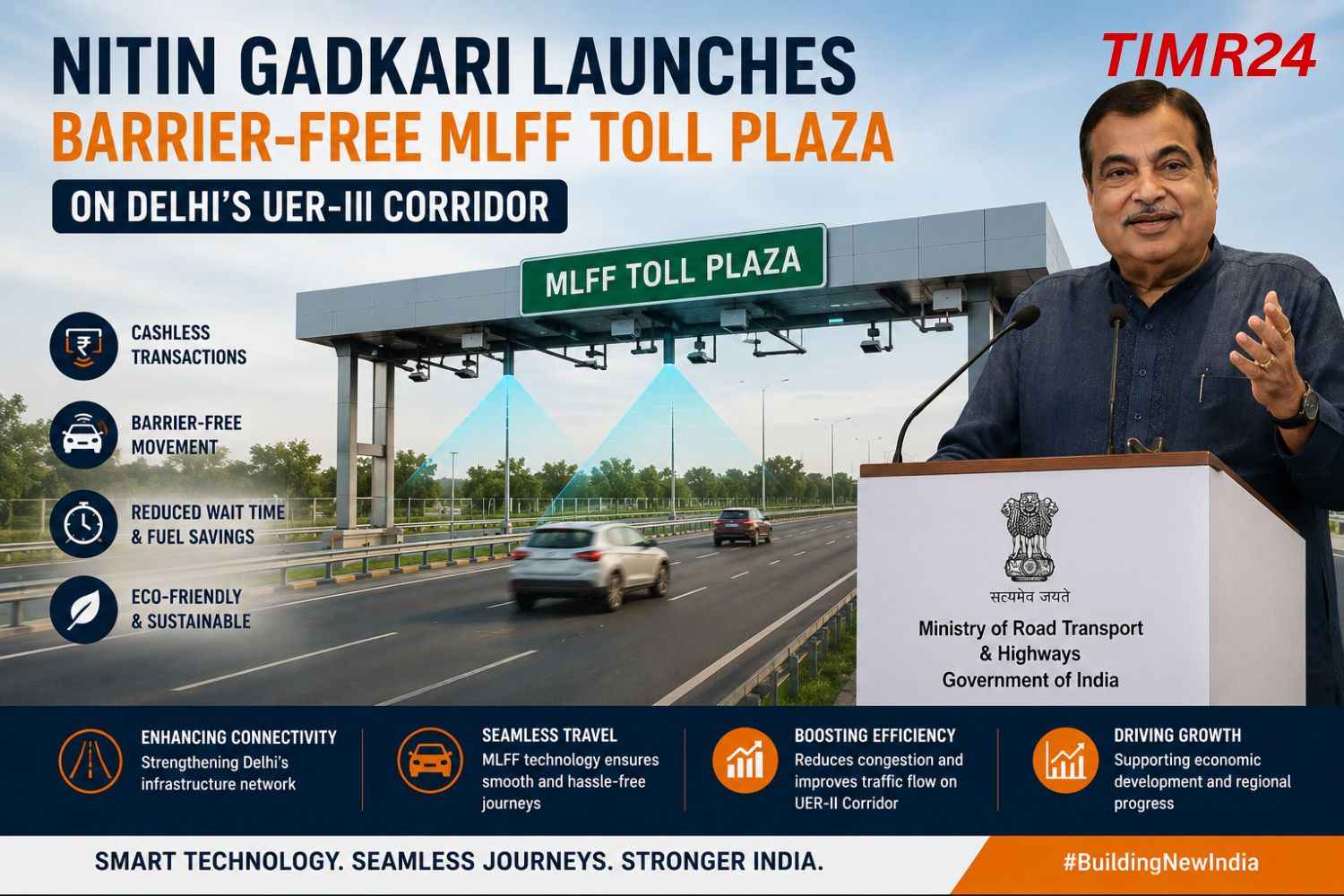











Union Minister Nitin Gadkari has approved a ₹6,000 crore elevated corridor between Narhe and Dehu Road, aimed at easing traffic flow and improving safety on the Mumbai-Bangalore bypass, which has been burdened by rapid urbanisation and traffic jams. The Union Minister of Road Transport and Highways, has recently approved a landmark infrastructure project an elevated road on the Pune Bypass with an estimated investment of ₹6,000 crore. This ambitious initiative is set to transform urban transportation in Pune, a city that has witnessed rapid vehicular growth over the past decade. The approval underscores the central government’s focus on modernizing urban infrastructure, enhancing connectivity, and ensuring smoother commutes
For residents of Pune and surrounding areas. With congestion on city roads becoming a persistent issue, the elevated corridor aims to provide an efficient alternative, reducing travel time and minimizing traffic-related disruptions. The project is also expected to act as a catalyst for economic development in regions along the bypass corridor. The proposed elevated road will span several kilometres, connecting key urban and semi-urban areas around Pune. The project’s design incorporates modern engineering techniques, including pre-stressed concrete structures, vibration-reducing technologies, and advanced traffic management systems. These measures are intended to ensure long-term durability and safety for commuters. Additionally.
Pune and surrounding areas With congestion
The elevated road is expected to seamlessly integrate with existing national and state highways, including the Mumbai-Pune Expressway and other arterial roads within the Pune district, thereby creating a well-connected transport network. The strategic placement of entry and exit points will also facilitate smoother traffic flow and reduce bottlenecks at critical junctions, improving overall urban mobility From an economic perspective, the elevated road promises multiple benefits. First and foremost, it will significantly reduce travel time for daily commuters, leading to enhanced productivity. Businesses and logistics services operating along the bypass corridor will find improved transport efficiency, reducing operational costs and improving delivery timelines.
Real estate development is also expected to receive a boost, with improved connectivity raising the commercial and residential value of areas surrounding the corridor. Furthermore, improved urban mobility is likely to attract investment, both from private enterprises and public initiatives, as smoother transport links make Pune an even more attractive destination for business operations Construction of the elevated road will employ advanced methodologies, emphasizing speed, safety, and minimal environmental impact. State-of-the-art equipment and construction technologies will be deployed to ensure the project adheres to stringent quality and safety standards.
National Highways Authority of India
Special attention will be given to environmental sustainability, with green corridors, noise barriers, and pollution control measures incorporated into the design. The government has also prioritized minimizing displacement of residents and businesses, aligning the project with social responsibility standards. The project will be executed under the supervision of the (National Highways) Authority of India (NHAI), which has extensive experience in handling large-scale urban infrastructure projects Funding for this elevated road is secured through a combination of central government allocations and public-private partnership (PPP) models.
Shri Nitin Gadkari has emphasized the importance of leveraging private sector expertise and investment to ensure timely execution of infrastructure projects while maintaining transparency and accountability. This approach not only accelerates project completion but also ensures long-term maintenance of the elevated road through sustainable financial models. The ₹6,000 crore investment represents one of the largest infrastructure outlays in Maharashtra in recent years, reflecting the government’s commitment to modernizing urban transport and supporting economic growth.
The elevated road project is expected to unfold in multiple phases, with a projected timeline of four to five years for full completion. The initial phases will focus on land acquisition, detailed project reports, and setting up foundational pillars, while subsequent stages will involve constructing the elevated sections and integrating traffic management systems. Innovative design elements, such as emergency lanes, pedestrian pathways, and smart monitoring systems, will enhance safety and operational efficiency. The elevated road will also include features to support intelligent transport systems, enabling real-time traffic monitoring and congestion management, making it a benchmark for modern urban infrastructure projects across India.
Mumbai-Pune Expressway
The Pune Bypass elevated road is part of a larger vision to develop integrated urban mobility solutions within Maharashtra. Other ongoing projects, such as the expansion of the Mumbai-Pune Expressway and the development of the Pune Ring Road, will complement this elevated corridor. Together, these initiatives are expected to create a seamless network that connects the city’s core areas with peripheral regions, facilitating faster transit and supporting regional economic hubs. Experts believe that combining elevated roads, expressways, and urban ring roads is critical to managing Pune’s growing traffic challenges effectively and sustainably.
Social and environmental considerations have been central to the planning of the elevated road. The government has committed to minimizing the impact on surrounding communities by conducting thorough environmental assessments and incorporating eco-friendly practices into construction. This includes landscaping along the corridor, preserving green belts, and employing noise reduction measures in residential areas. The elevated road will also reduce vehicular emissions by minimizing stop-and-go traffic in congested zones, contributing to Pune’s broader environmental goals. The project demonstrates a balance between infrastructure development, environmental protection, and community welfare, which is crucial for sustainable urban planning.
₹6,000 crore elevated road on Pune
The project is also expected to create substantial employment opportunities, both during and after construction. Skilled labor, engineering teams, and support staff will be engaged throughout the construction phase, while the operational phase will require personnel for maintenance, traffic management, and monitoring. This infusion of employment contributes to local economic development and supports regional growth. Additionally, ancillary industries such as construction material supply, transport services, and retail are likely to benefit from the increased activity along the corridor, creating a positive economic ripple effect.
Public response to the elevated road has been largely positive, with residents welcoming the government’s focus on reducing congestion and improving commuting efficiency. Local authorities have engaged with citizens to address concerns related to land acquisition, construction disruptions, and environmental impact, ensuring a participatory approach to urban development. Government officials, including Shri Nitin Gadkari, have highlighted the project’s long-term benefits, emphasizing improved quality of life, enhanced safety, and economic growth as key outcomes. The project also reinforces the government’s commitment to modernizing India’s urban infrastructure, showcasing Pune as a model city for smart, sustainable, and efficient transportation solutions.
In conclusion, the ₹6,000 crore elevated road on the Pune Bypass approved by Shri Nitin Gadkari marks a significant milestone in India’s urban infrastructure journey. By combining advanced engineering, sustainable practices, economic foresight, and community welfare, the project aims to set a benchmark for urban transport development across the country. Upon completion, (NHAI) commuters will enjoy reduced travel times, safer roads, and better connectivity, while businesses and regional economies stand to gain from improved logistics and mobility. The project is a testament to India’s commitment to modern, efficient, and inclusive infrastructure that supports both urban.
Q1. What is the cost of the new elevated road on Pune Bypass?
The elevated road has been approved at a cost of ₹6,000 crore.
Q2. Who approved the Pune Bypass elevated road project?
Shri Nitin Gadkari, Minister of Road Transport & Highways, approved the project.
Q3. What is the expected timeline for the Pune elevated road completion?
The project is expected to be completed within the next 4–5 years, subject to construction progress.
Q4. How will the elevated road benefit Pune commuters?
It will reduce traffic congestion, improve travel time, and provide smoother connectivity to the outskirts.
Q5. Are there any toll charges planned for this elevated road?
The government has not yet finalized toll charges, but toll collection is expected to sustain maintenance costs.