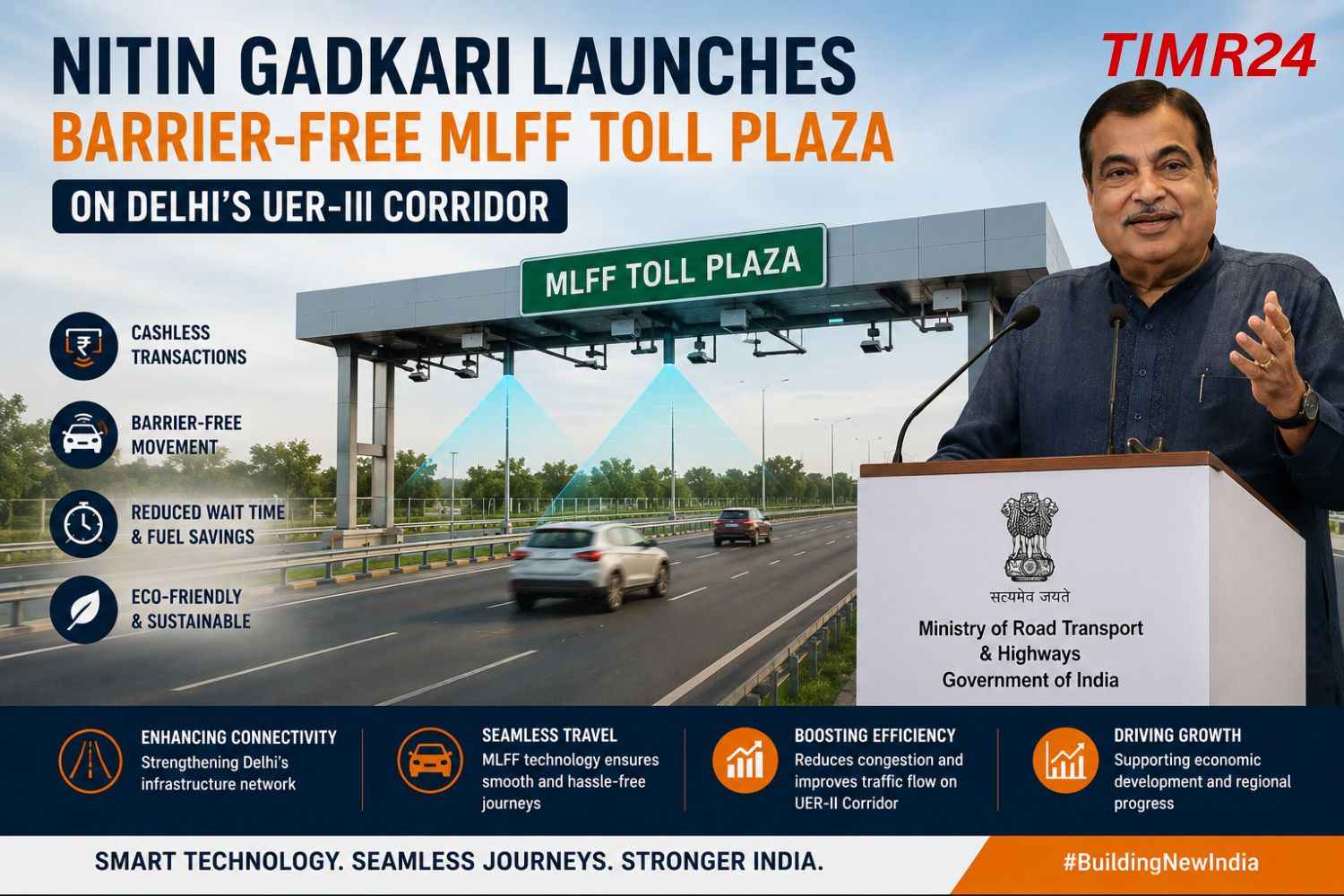




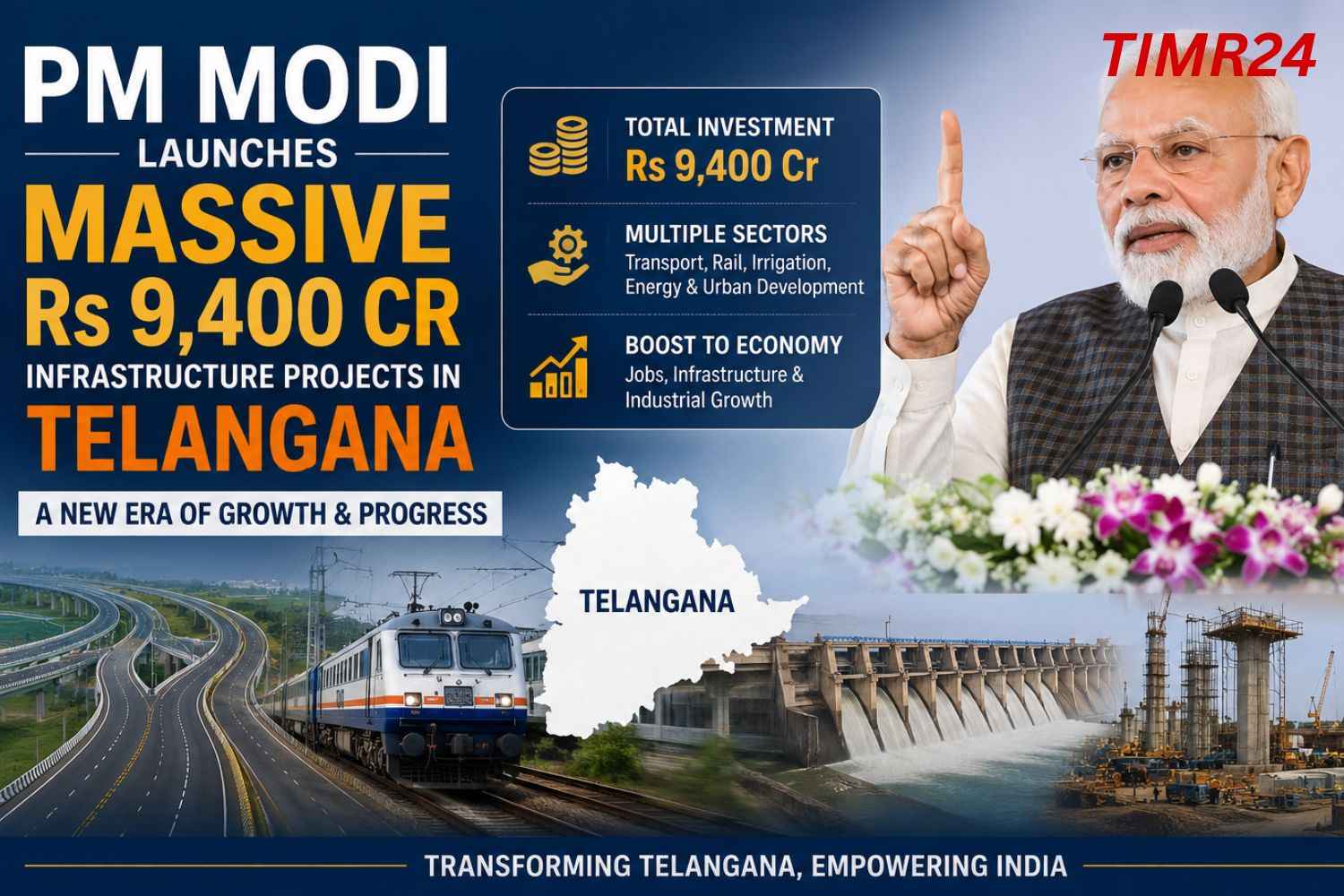
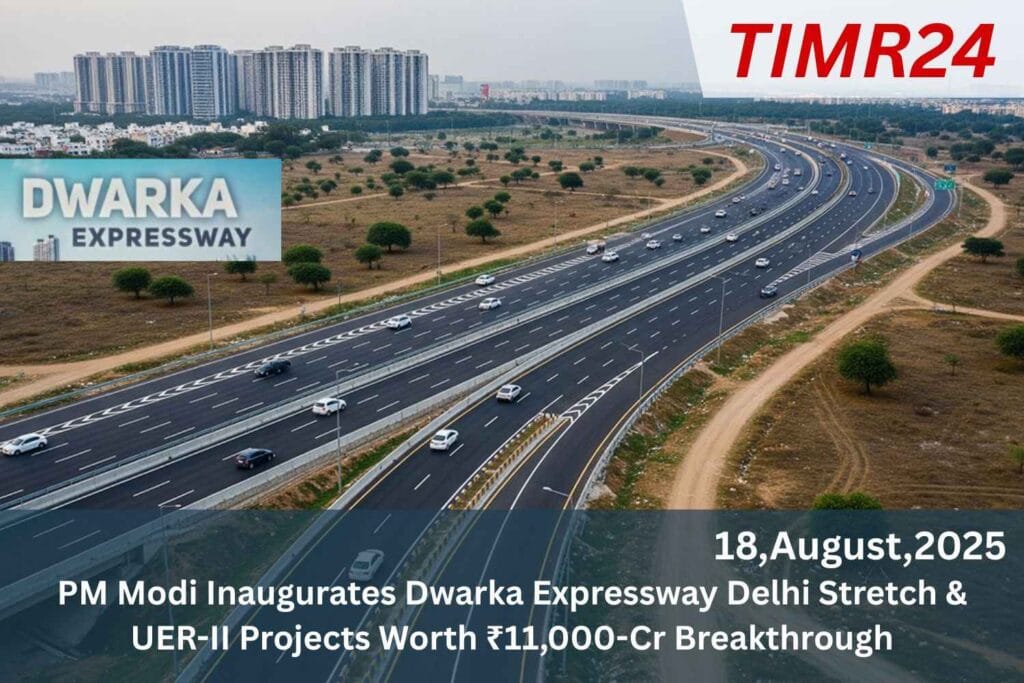
PM Minister Narendra Modi has inaugurated two National Highway Projects in the Delhi region, the Dwarka Expressway and the Urban Extension Road-II (UER-II). The projects, costing around ₹11,000 crore, aim to decongest the region, reduce travel time, boost connectivity between Delhi and Gurugram, and support long-term infrastructural growth. The 29-km Dwarka Expressway, which includes sections in Haryana and Delhi, has been built at a cost of around ₹5,360 crore. The Urban Extension Road-II, or Delhi’s third Ring Road, complements the fully operational 29-km Dwarka Expressway, reducing travel time between Delhi, IGI Airport, and Gurugram.
The infrastructure is expected to catalyze large-scale residential, commercial, and retail development, with property prices doubling over the past five years on the Dwarka Expressway. The real estate market around Dwarka Expressway is expected to continue, driven by sustained infrastructure development, enhanced connectivity, and rising demand from homebuyers and investors. The National Capital Region (NCR) has witnessed a historic moment with the inauguration of the much-awaited Dwarka Expressway Delhi stretch and Urban Extension Road-II) projects by Prime Minister Narendra Modi. Valued at around ₹11,000 crore, these mega infrastructure ventures
Designed to revolutionize connectivity, reduce congestion, and support the fast-paced urbanization of Delhi and its adjoining cities. The inauguration not only marks a milestone in the government’s long-term infrastructure development vision but also promises to reshape daily travel for millions of commuters. Delhi has long struggled with traffic bottlenecks, particularly on the busy (Dwarka Expressway) NH-48 corridor, which connects the capital with Gurugram and other parts of Haryana. The newly inaugurated Dwarka Expressway stretch serves as a relief for this congested route by offering a parallel high-speed road that ensures smoother travel between the two cities.
This strategic addition to the road network reduces dependency on NH-48 and is expected to cut travel time significantly for daily office-goers, cargo transport, and intercity commuters. For readers interested in more updates on road projects. The Dwarka Expressway is a flagship project under the Bharatmala Pariyojana initiative, designed to build world-class highways across India. Stretching across Delhi and Gurugram, the expressway has been constructed using advanced engineering techniques to ensure safety, durability, and sustainability. Its elevated sections, underpasses, and intelligent traffic systems are comparable to international standards. Beyond easing travel, the expressway is expected to boost real estate growth in areas such as Dwarka,
New Palam Vihar, and Gurugram’s upcoming residential hubs, making it a game-changer for both commuters and investors. Readers can also explore our Another highlight of the inauguration is Urban Extension Road-II (UER-II), which is being described as Delhi’s third ring road. This project will link key highways like NH-1, NH-2, NH-8, NH-10, and NH-24, providing seamless connectivity to the outskirts of Delhi and reducing pressure on the city’s internal road network. With UER-II, vehicles heading towards different parts of North India will no longer need to enter central Delhi, thereby reducing traffic density and pollution levels in the city. To follow more stories related to green mobility and pollution reduction.
Boost to Economic Growth and Logistics
The economic implications of these projects are equally significant. The NCR is home to major industrial clusters, corporate offices, and logistics hubs. With improved road infrastructure, the cost of transportation and time delays will decrease, giving a direct push to business productivity. The enhanced connectivity between Delhi, Gurugram, Manesar, and Dwarka will further attract new investments (NHAI) and encourage industries to PM Modi Inaugurates Dwarka Expressway Delhi Stretch & UER-II Projects Worth ₹11,000-Cr Breakthrough expand. This aligns with the government’s broader vision of building India as a global manufacturing and service hub. You can read more about how infrastructure impacts the Indian economy in our business and policy updates.
One of the standout features of both projects is the focus on commuter safety and convenience. Intelligent traffic management systems, CCTV monitoring, and smart tolling facilities are being introduced to ensure smoother travel experiences. Wide service lanes, pedestrian-friendly pathways, and dedicated emergency response provisions are part of the design, making travel safer for all categories of road users. Such measures reflect the government’s commitment to providing infrastructure that is not only efficient but also people-centric A critical concern in developing large-scale infrastructure projects is balancing development with environmental responsibility.
Both the Dwarka Expressway and UER-II have incorporated green design principles such as rainwater harvesting systems, noise barriers, and extensive plantation drives along the corridors. These measures will contribute to reducing vehicular emissions, improving air quality, and supporting ecological balance. Beyond the environmental benefits, the projects also promise social gains by cutting commuting stress, saving fuel, and enhancing the quality of life for NCR residents. The inauguration of these projects by PM Modi sends a strong signal about the government’s focus on sustainable and futuristic infrastructure. As Delhi expands and urbanization accelerates, such projects will act as blueprints for other metropolitan cities facing similar traffic and connectivity issues.
With further phases of Bharatmala Pariyojana in the pipeline, India’s road infrastructure is set to match global benchmarks in efficiency, scale, and design The launch of the Dwarka Expressway Delhi stretch and UER-II projects worth ₹11,000 crore represents a significant leap forward in India’s infrastructure journey. By easing traffic congestion, improving connectivity, and boosting economic potential, these projects will benefit commuters, businesses, and the environment alike. They exemplify how large-scale infrastructure can transform urban living and create long-term opportunities for growth. For more updates on upcoming projects and government initiatives.
Q1. What project did PM Modi inaugurate in Delhi?
PM Modi inaugurated the Dwarka Expressway Delhi stretch and UER-II projects worth ₹11,000 crore.
Q2. What is the significance of the Dwarka Expressway?
It reduces congestion on NH-48 and improves connectivity between Delhi and Gurugram.
Q3. What is UER-II and why is it important?
UER-II is the Urban Extension Road-II, a major ring road that will ease traffic across Delhi.
Q4. How much is the total project cost?
The combined cost of the Dwarka Expressway Delhi stretch and UER-II is around ₹11,000 crore.
Q5. Who will benefit from these projects?
Daily commuters, logistics operators, and NCR residents will benefit from faster, safer travel.