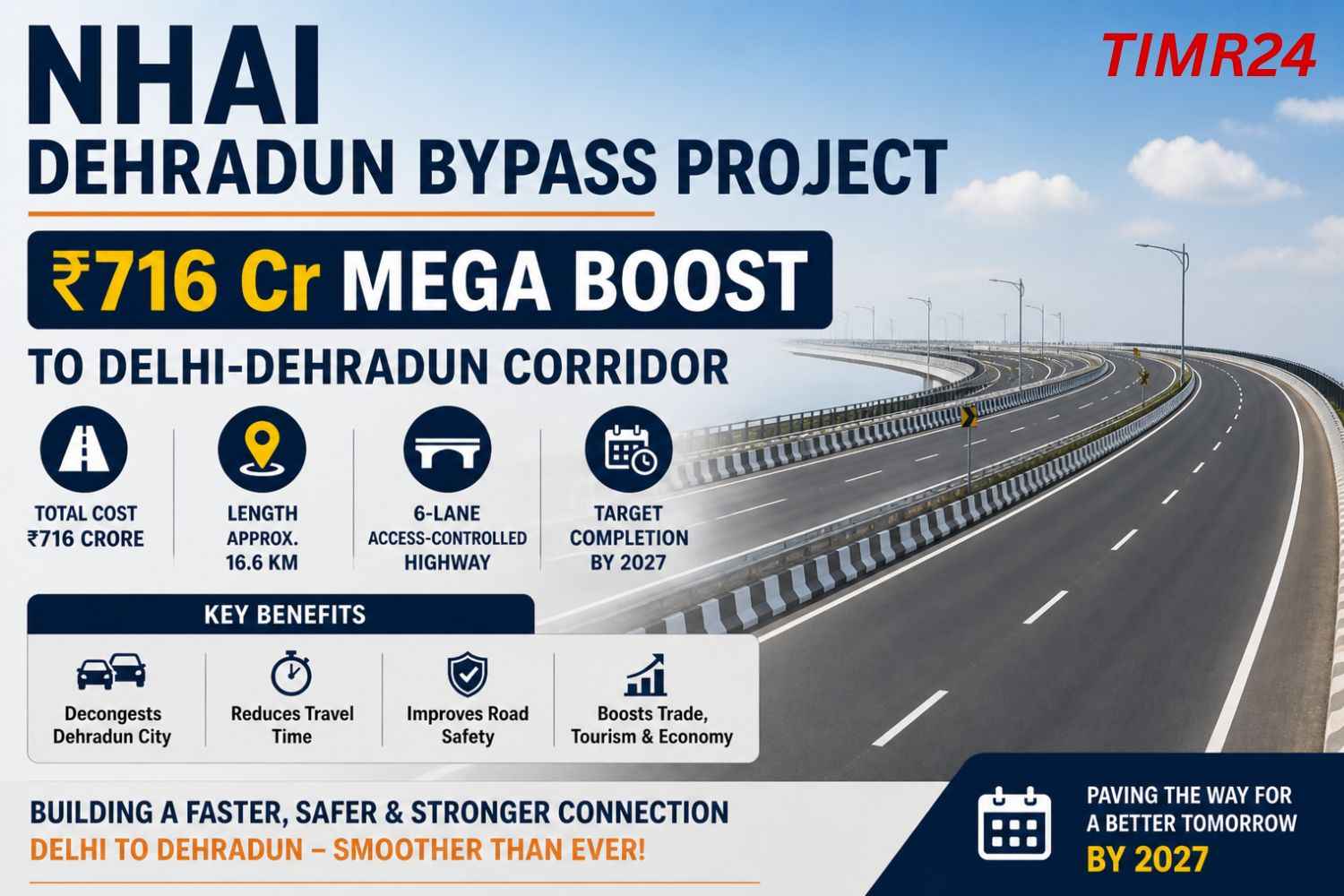
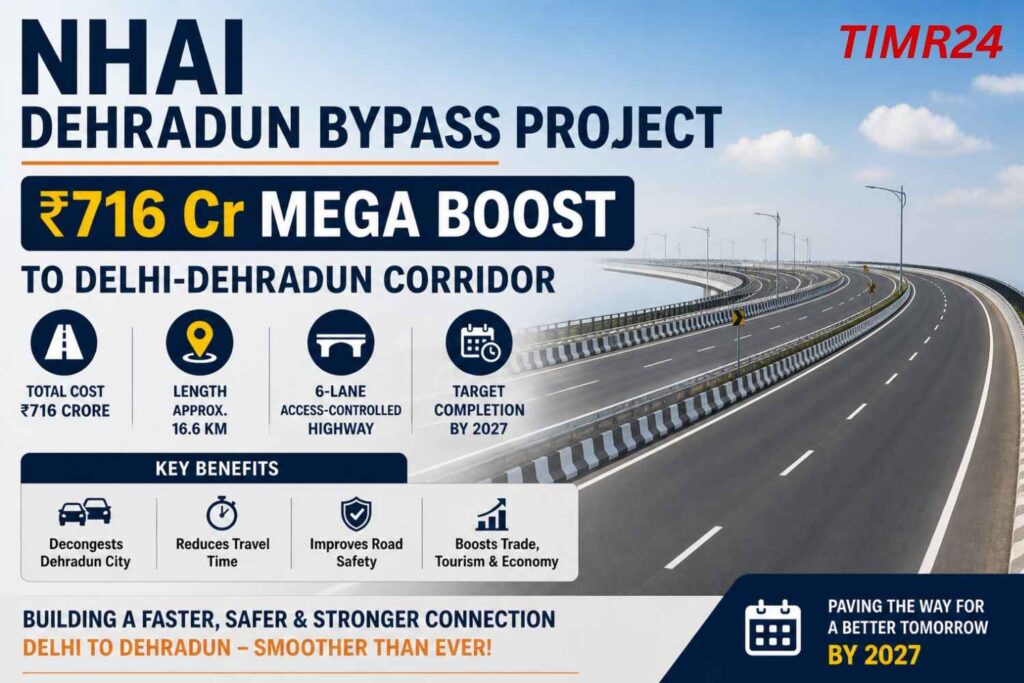
The Delhi-Dehradun corridor has long been one of the busiest travel routes in North India, connecting the national capital with the scenic capital of Uttarakhand. Every year, millions of tourists, business travelers, and logistics vehicles use this route, especially during peak seasons. However, increasing traffic has led to congestion, longer travel times, and frequent bottlenecks in urban areas. This is where the new bypass comes into play. By diverting traffic away from crowded city roads, the Dehradun Bypass will create a smoother and faster travel experience From a technical perspective, the project is designed to meet modern highway standards, ensuring better safety, durability, and efficiency.
Intering Congested Zones, Reducing Travel Time
It will include advanced road engineering, proper drainage systems, and high-quality materials to support heavy traffic loads. Such developments align with the broader vision of improving India’s road infrastructure under various national programs One of the key benefits of this bypass is time savings. Currently, travelers often face delays due to urban traffic, intersections, and narrow road stretches. Once the bypass becomes operational, vehicles will be able to move seamlessly without entering congested zones, reducing travel time between Delhi and Dehradun significantly. This improvement will not only enhance convenience but also reduce fuel consumption and vehicle wear and tear.
The economic impact of the project is equally significant. Improved connectivity often leads to increased trade, tourism, and investment. Dehradun, being a major educational and administrative hub, will benefit greatly from better accessibility. Similarly, nearby regions will see growth in real estate, hospitality, and small businesses. Infrastructure projects like this act as catalysts for economic development, creating jobs during construction and long-term opportunities after completion Another important aspect of this project is its contribution to sustainable transportation. While road construction is often seen as resource-intensive, modern highway projects focus on minimizing environmental impact.
Environmental Degradation Commuters And Logistics
The Dehradun Bypass is expected to incorporate eco-friendly practices such as proper waste management, plantation drives, and efficient land use planning. These measures ensure that development does not come at the cost of environmental degradation commuters and logistics companies, this bypass will bring a noticeable improvement in daily operations. Reduced congestion means predictable travel times, which is crucial for supply chain efficiency. Businesses relying on timely deliveries will benefit from smoother transportation, ultimately contributing to better service quality and customer satisfaction.
In addition to improving connectivity, the project also enhances road safety. By reducing traffic density in urban areas, the risk of accidents decreases significantly. The bypass will likely include features such as better signage, lane markings, and safety barriers, making it safer (India) for all types of vehicles. This aligns with India’s broader goal of reducing road accidents and improving highway safety standards From a strategic standpoint, the bypass is part of a larger effort to modernize India’s transportation network. Projects like expressways, ring roads, and bypasses are being developed across the country to support growing urbanization and economic activity.
The Delhi-Dehradun route, in particular, holds high importance due to its connectivity to hill stations, pilgrimage sites, and defense establishments The timeline of April 2027 reflects a realistic yet ambitious goal. Large-scale infrastructure projects often face challenges such as land acquisition, environmental clearances, and construction delays. However, NHAI has consistently improved its execution capabilities, ensuring faster project completion compared to previous years. This gives confidence that the Dehradun Bypass will be delivered within the expected timeframe The impact of this project will extend beyond just transportation. It will improve quality of life for residents.
Support tourism growth in Uttarakhand, and strengthen regional integration. As connectivity improves, more people will find it convenient to travel, work, and invest in the region, creating a positive cycle of development The ₹716 crore Dehradun Bypass project is a significant (India) step toward building a smarter and more efficient transportation network in India. By enhancing the Delhi-Dehradun corridor, it addresses current challenges while preparing for future demands. With benefits ranging from reduced travel time and improved safety to economic growth and environmental considerations, this project stands as a key milestone in India’s infrastructure journey.