



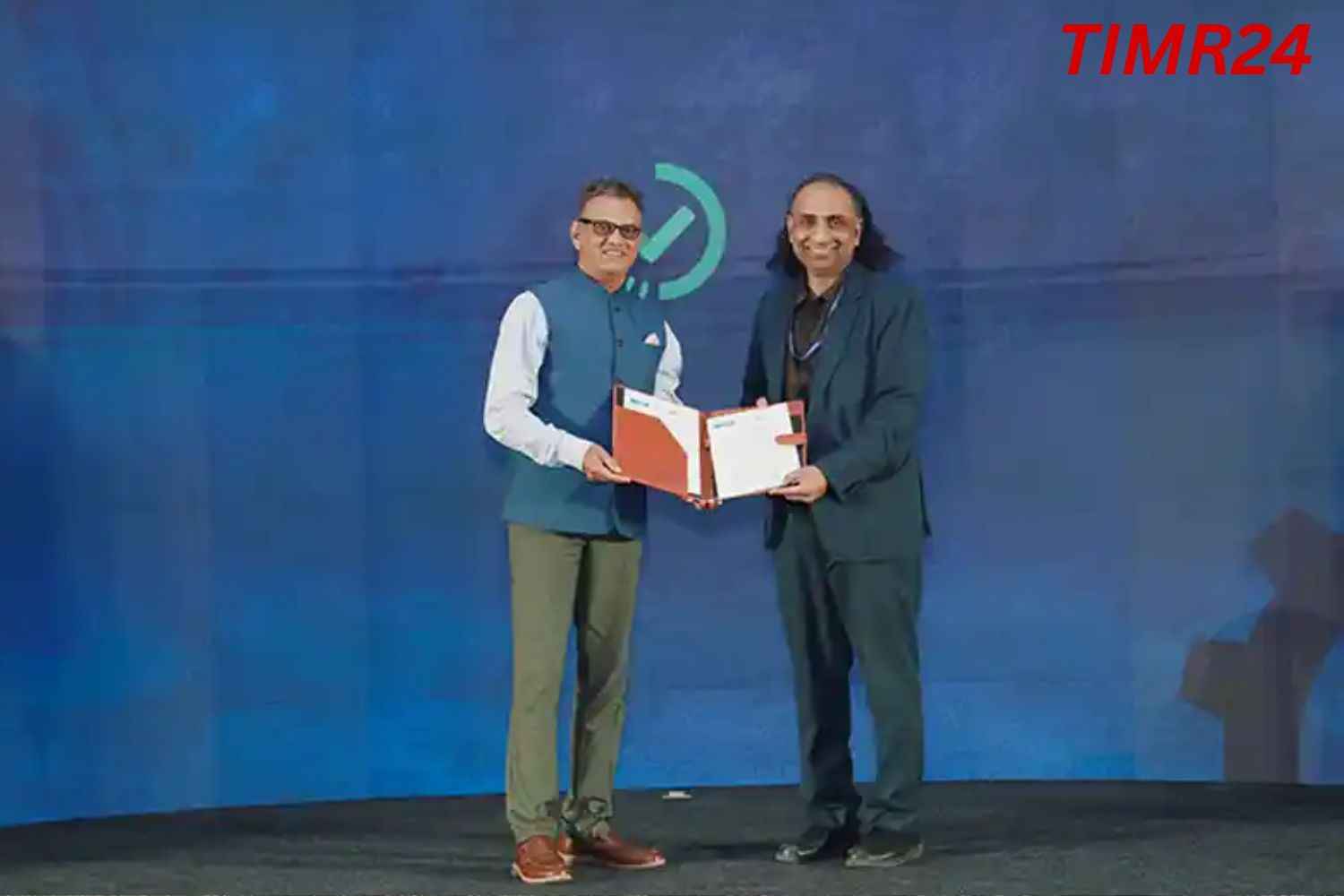








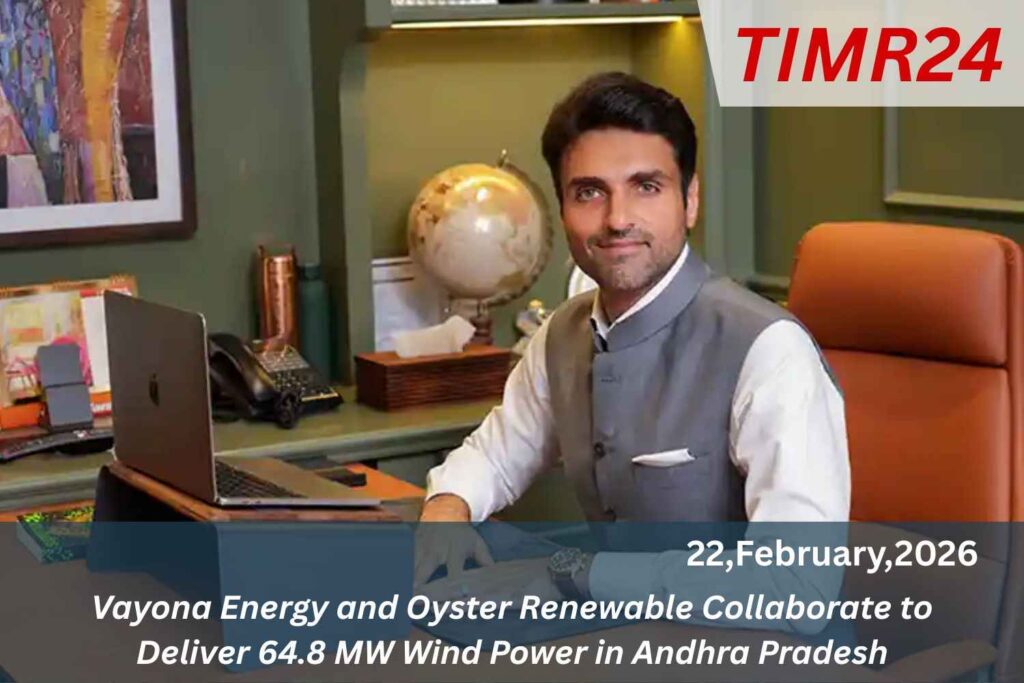
Vayona Energy has entered the Indian market through an agreement with Oyster Renewable Energy Private Limited to supply 18 wind turbines totalling 64.8 MW for a project in Kadapa, Andhra Pradesh. This deal marks a significant step in Vayona’s strategy to expand onshore wind solutions in India and Sri Lanka following its acquisition from Siemens Gamesa. Vayona Energy’s Executive Vice Chairman, Prashant Jain, highlighted a strong order book exceeding 1 GW and a 7 GW operations and maintenance portfolio, emphasizing their commitment to the Indian renewable energy sector. Meanwhile, Siddharth Bhatia, Managing Director of Oyster, praised Vayona for.
Andhra Pradesh Marks A Significant
Its technical excellence, underscoring the project’s contribution to the ‘Make in India’ initiative and its role in enhancing the domestic energy ecosystem The collaboration between Vayona Energy and Oyster Renewable to develop a 64.8 MW wind power project in Andhra Pradesh marks a significant milestone in India’s expanding renewable energy sector and highlights the increasing momentum toward sustainable infrastructure development. As India continues to strengthen its position as a global leader in clean energy adoption, partnerships between private renewable energy companies play a crucial role in accelerating the transition from conventional power.
Sources to environmentally friendly alternatives. The new wind power initiative aims to generate clean electricity, reduce dependence on fossil fuels, and support the country’s long-term sustainability goals. With rising energy demand driven by rapid urbanization, industrial expansion, and technological growth, projects like this contribute significantly to enhancing energy security while ensuring environmental responsibility. The collaboration reflects a strategic approach to combining technical expertise, investment capabilities, and operational efficiency to deliver reliable and scalable renewable energy solutions The wind power project in Andhra Pradesh is expected to strengthen regional energy.
Improved Grid Integration, And Supportive
Infrastructure by providing a consistent and sustainable source of electricity. Wind energy has emerged as one of the most efficient and cost-effective renewable power sources due to technological advancements in turbine design, improved grid integration, and supportive government policies. Andhra Pradesh, with its favorable wind conditions and strong renewable energy ecosystem, offers an ideal location for such projects. The state has consistently attracted investments in clean energy due to its geographical advantages, policy support, and infrastructure readiness. The development of this 64.8 MW project is anticipated to enhance the state’s renewable.
Capacity, contribute to local economic development, and improve power reliability for industries and households. By leveraging natural wind resources, the initiative supports efficient energy production while minimizing environmental impact and resource depletion This partnership also demonstrates the growing importance of private sector participation in India’s renewable energy expansion. As the government continues to encourage clean energy investments through policy incentives and regulatory support, companies like Vayona Energy and Oyster Renewable are actively contributing to national sustainability objectives. Their collaboration reflects a shared commitment to advancing.
Sustainable Economic Growth
Green energy technologies and creating long-term environmental value. The project aligns with India’s broader renewable energy targets, which focus on reducing carbon emissions, increasing renewable capacity, and promoting sustainable economic growth. The involvement of experienced renewable energy developers ensures that the project will incorporate advanced technology, efficient energy generation systems, and environmentally responsible practices Beyond environmental benefits, the wind power project is expected to generate substantial economic advantages for the region. Infrastructure development associated with renewable energy projects often.
Leads to job creation, improved local supply chains, and increased investment opportunities. The construction and operation phases of the project will likely create employment opportunities for local communities, supporting skill development and economic progress. Additionally, enhanced energy availability can attract industrial investments and promote business growth by ensuring reliable power supply. This combination of environmental sustainability and economic development highlights the multifaceted impact of renewable energy initiatives and reinforces their importance in modern infrastructure planning The environmental impact of the wind power project represents.
Fossil Fuels, Wind Power Significantly
another critical dimension of its significance. Renewable energy projects such as wind farms play a vital role in reducing greenhouse gas emissions and combating climate change. By replacing conventional energy sources that rely on coal or other fossil fuels, wind power significantly lowers carbon emissions and contributes to cleaner air quality. The adoption of wind energy also reduces water consumption compared to traditional power generation methods, further supporting sustainable resource management. As climate concerns continue to shape global energy strategies, projects like this demonstrate practical solutions for achieving environmental targets while meeting growing energy demands.
Technological innovation remains a key factor in the successful implementation of wind energy projects. Modern wind turbines are designed to maximize energy generation efficiency even in moderate wind conditions, making them suitable for diverse geographical locations. The project developed by Vayona Energy and Oyster Renewable is expected to incorporate advanced turbine technologies, optimized site planning, and efficient grid connectivity to ensure consistent power generation. These technological advancements not only improve energy output but also enhance operational reliability and reduce maintenance costs over time. The integration of digital monitoring systems and predictive maintenance.
Solutions further strengthens the performance and sustainability of wind energy infrastructure The project also contributes to India’s broader transition toward a diversified energy mix that includes solar, wind, hydro, and other renewable sources. Diversification of energy resources enhances energy resilience by reducing dependence on a single source of power and minimizing risks associated with supply disruptions. Wind energy complements other renewable sources by providing consistent power generation during specific seasonal and climatic conditions. The addition of 64.8 MW of wind capacity supports grid stability and ensures a balanced energy supply.
Diversification Of Energy Resources Enhances
Which is essential for meeting the country’s increasing electricity demand. Such initiatives strengthen the national power infrastructure and support long-term energy sustainability Another important aspect of the collaboration is its alignment with global sustainability trends and environmental responsibility standards. Countries worldwide are prioritizing renewable energy investments to meet (India) international climate commitments and reduce environmental impact. India’s proactive approach to renewable energy development positions it as a major contributor to global sustainability efforts. The partnership between Vayona Energy and Oyster Renewable reflects.
This global perspective by promoting environmentally responsible energy production and supporting international climate goals. By investing in renewable infrastructure, companies demonstrate their commitment to corporate sustainability and responsible resource management The project also highlights the importance of strategic partnerships in achieving large-scale infrastructure development. Collaboration allows organizations to combine their strengths, share technical knowledge, and optimize project execution. In the case of this wind power initiative, the partnership enables efficient resource utilization, risk management, and operational excellence.
Such cooperative approaches are essential for delivering complex energy projects that require significant investment, technical expertise, and regulatory compliance. The success of this collaboration may encourage further partnerships within the renewable energy sector, accelerating the pace of clean energy adoption across the country The collaboration between Vayona Energy and Oyster Renewable to deliver a 64.8 MW wind power project in Andhra Pradesh represents a significant step toward sustainable energy development, environmental protection, and economic growth. The initiative strengthens India’s renewable energy capacity, supports regional.
Infrastructure development, and contributes to national climate objectives. By harnessing wind energy, the project promotes clean electricity generation, reduces carbon emissions, and enhances energy security. It also demonstrates the growing role of private sector (India) participation and technological innovation in shaping the future of the energy industry. As India continues to expand its renewable energy portfolio, projects like this play a vital role in building a sustainable and resilient energy ecosystem that supports long-term development and environmental stewardship.
Q1. What is the capacity of the wind power project?
The project will generate 64.8 MW of renewable wind energy.
Q2. Who are the partners in this project?
Vayona Energy and Oyster Renewable are collaborating on the development.
Q3. Where is the project located?
The wind power project is being developed in Andhra Pradesh, India.
Q4. What is the main objective of the project?
To increase clean energy production, reduce carbon emissions, and strengthen sustainable power infrastructure.
Q5. How will the project benefit the region?
It will support green energy supply, create jobs, and boost regional economic growth.