




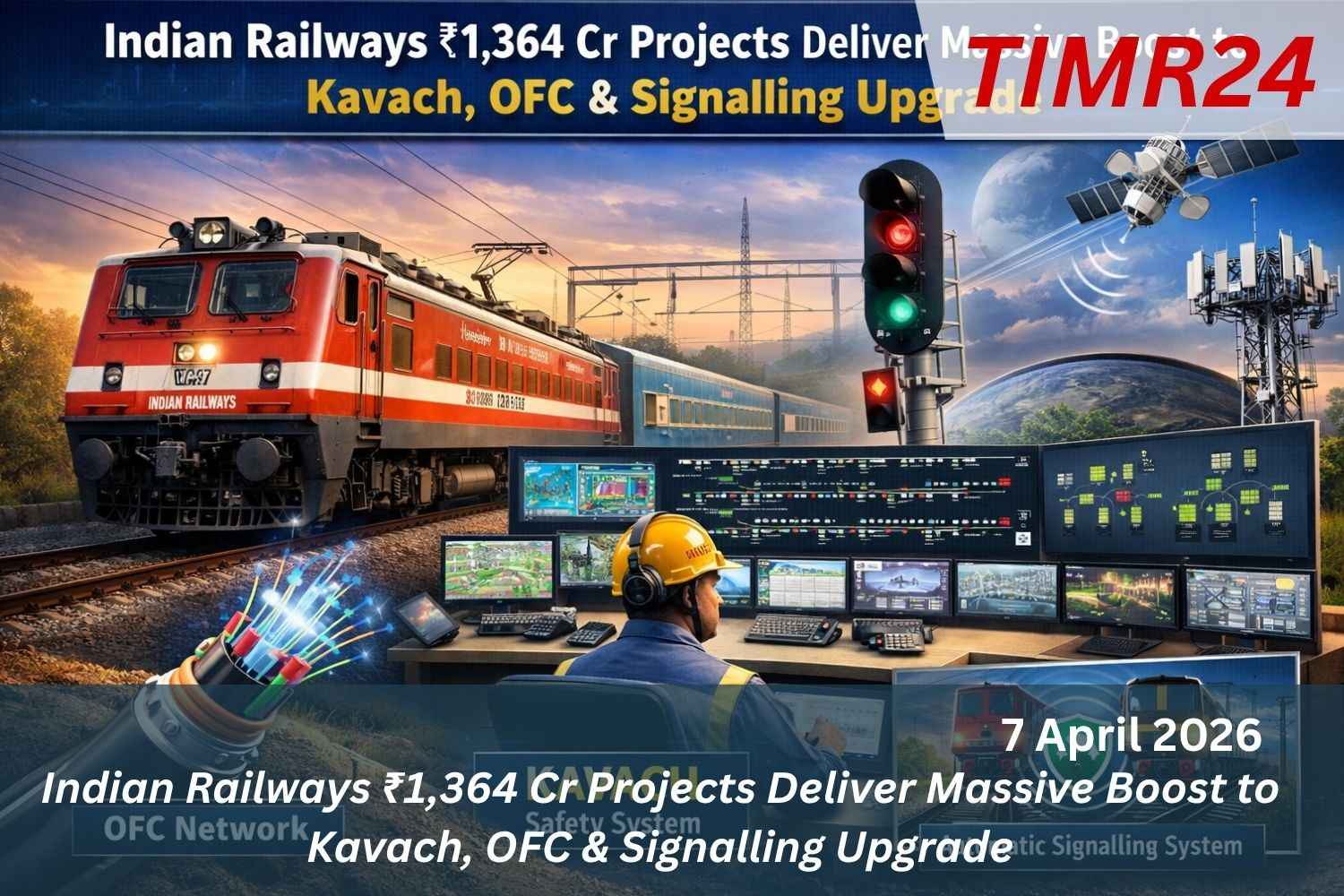







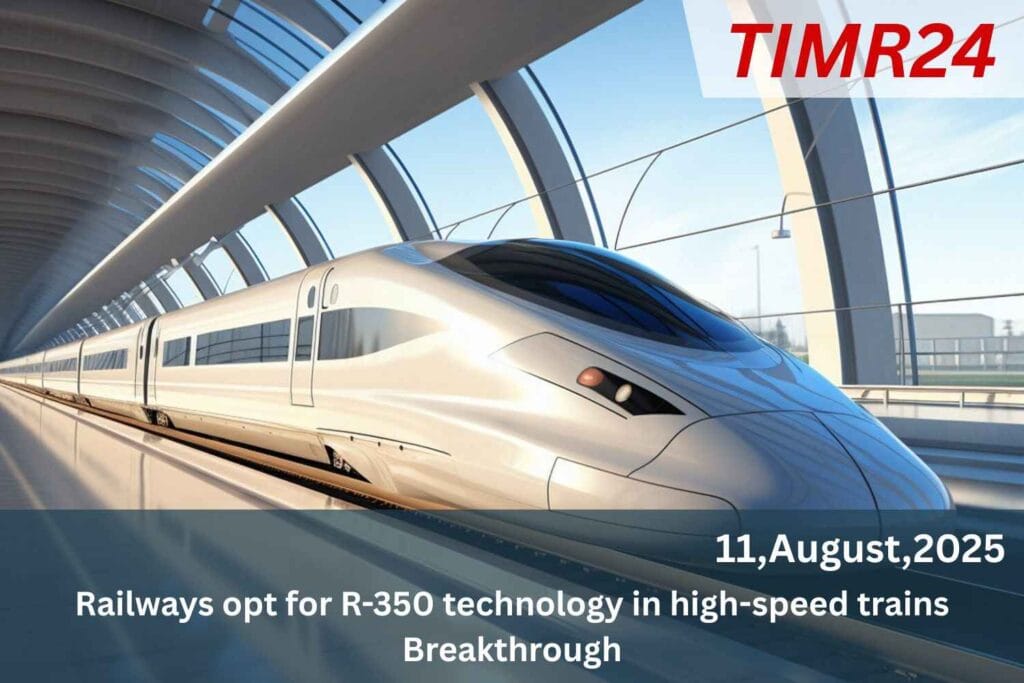
The technology Railways is implementing high-tech R-350 rails for high-speed trains, along with measures like ‘Kavach’ anti-collision system and track fencing. The ministry has issued guidelines for their global track record. The Indian Railways has taken a significant leap forward in its quest to modernize and enhance the speed and safety of its train operations by adopting the cutting-edge R-350 for high-speed trains. This move is set to revolutionize rail travel in India, positioning the country among the elite group of nations with advanced rail infrastructure. The R-350 technology, known for its superior performance in speed, safety, and energy efficiency, is now the backbone.
Understanding R-350 What Makes It Special?
and systems designed specifically for trains running at speeds above 300 km/h. This encompasses innovative features such as improved traction. motors, aerodynamic train body design, and state-of-the-art braking systems that ensure both high speed and maximum safety. With enhanced durability and reduced maintenance requirements, the R-350 system is tailor-made for India’s ambitious high-speed rail projects, such as the Mumbai-Ahmedabad Bullet Train corridor. (Rail projects)
Enhanced Speed and Reduced Travel Time
One of the most compelling reasons for the adoption of R-350 is its ability to sustain speeds up to 350 km/h, considerably reducing travel time between major cities. Traditional trains in India typically run at speeds ranging from 80 to 160 km/h, whereas R-350 powered trains can nearly double that. This technology will enable passengers to enjoy faster commutes, potentially transforming regional economies by making travel between business hubs quicker and more efficient. Safety remains a paramount concern in rail operations, especially at high speeds. The R-350 technology integrates advanced safety mechanisms, including automated braking systems that can detect obstacles and control train.
Safety Improvements with R-350 Technology
speed instantly. Additionally, the supports enhanced signaling and communication systems that provide real-time updates to train operators. These features work together to minimize the risk of accidents and improve overall passenger safety. Sustainability is at the core of R-350 technology design. Its advanced traction motors consume less energy while maintaining high performance, leading to a significant reduction in electricity consumption. The aerodynamic design of the train reduces air resistance, further enhancing fuel efficiency. These factors contribute to lower carbon emissions, aligning the Indian Railways’ goals with national and global environmental standards. (Ahmedabad Bullet Train)
Economic and Social Impact
The introduction of R-350 will have far-reaching economic and social benefits. Faster travel times will boost tourism and business activities, creating new employment opportunities along the corridors served by these trains. Moreover, improved connectivity will facilitate easier access to education and healthcare services in remote areas. By making rail travel more attractive and reliable, R-350 trains are expected to encourage a shift from road and air transport, reducing congestion and pollution. Despite its many advantages, implementing R-350 technology across India’s vast rail network comes with challenges. Infrastructure upgrades, including track strengthening and signaling system overhauls, are necessary to accommodate high-speed trains safely. Additionally,
Implementation Challenges and Solutions
Training for personnel and maintenance teams is crucial to manage the new technology efficiently. The government has laid out comprehensive plans to address these challenges, including phased implementation, international collaborations, and substantial investments. The adoption of R-350 technology marks only the beginning of India’s high-speed rail ambitions. Plans are underway to expand this technology to multiple corridors beyond the initial projects. With continuous research and development, the Indian Railways aims to push speeds even higher and improve passenger comfort. Integration with other modes of transport, such as metro and bus systems, will further enhance the ease of travel. The decision to opt for R-350 technology in India’s high-speed trains is a transformative step towards modernizing the nation’s rail infrastructure.
Q1. What is R-350 technology in railways?
R-350 is an advanced rail technology designed for trains running at speeds up to 350 km/h, offering higher safety, efficiency, and durability.
Q2. Why has Indian Railways adopted R-350 technology?
It enables faster travel, improved safety systems, reduced maintenance, and energy efficiency for high-speed train operations.
Q3. Which projects will first use R-350 technology?
The Mumbai–Ahmedabad Bullet Train corridor is the primary project to deploy R-350 technology.
Q4. How will R-350 technology improve passenger experience?
Passengers will enjoy shorter travel times, smoother rides, and enhanced comfort at higher speeds.
Q5. Does R-350 technology benefit the environment?
Yes, it reduces energy consumption and carbon emissions through aerodynamic design and efficient traction systems.