










The Minister of State for Power, Shripad Y. Naik, inaugurated the Ministry of Power Pavilion at the 44th India International Trade Fair in New Delhi, showcasing India’s transition to clean energy. The pavilion showcases contributions from seven Power PSUs and embodies Viksit Bharat @ 2047’s vision. Naik invited students and professionals to engage with technology-led exhibits highlighting India’s journey towards a sustainable power sector. Notable attractions include a kinetic LED wall, an anamorphic 3D display, a smart meter showcase, and interactive installations that showcase India’s energy transformation.
The Power Pavilion at IITF 2025 has emerged as one of the most influential showcases of India’s clean energy transition, bringing together government bodies, industry leaders, innovators, and citizens under one roof. This year’s theme emphasizes how India is reshaping its power sector through renewable energy development, electrification programs, and advanced technology adoption. The pavilion serves not just as an exhibition, but as a narrative of India’s journey from traditional energy dependency to a future defined by sustainability and self-reliance. As visitors walk through the different sections, they witness how the clean energy ecosystem has grown.
India’s position as one of the largest solar power
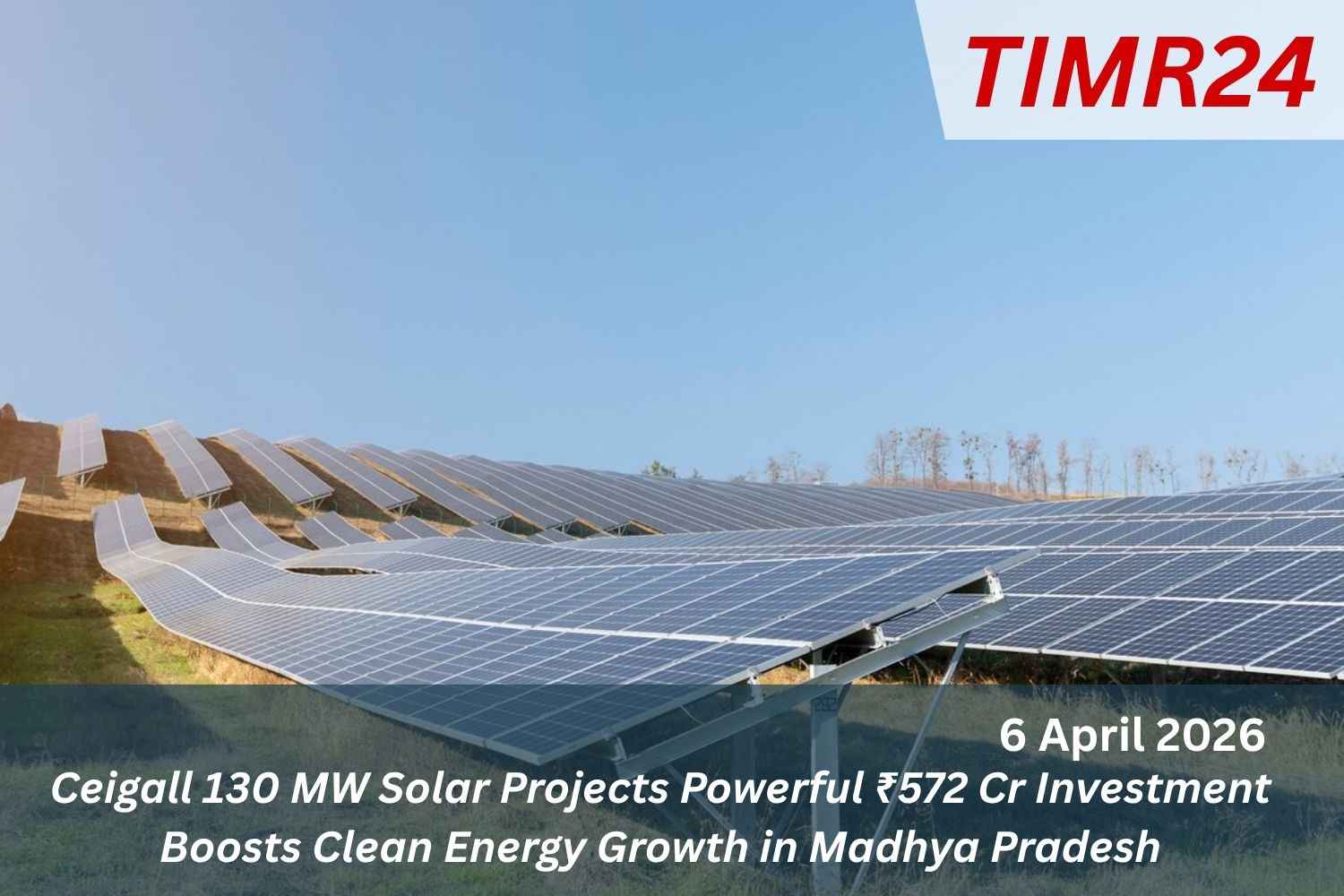
Rapidly, in the last decade how India has positioned itself as a global leader in renewable innovation. One of the most engaging segments of the Power Pavilion is the strong representation of solar projects, which highlight India’s position as one of the largest solar power producers in the world. The exhibits demonstrate how rooftop solar, utility-scale solar parks, and agricultural solar pumps are transforming the energy mix. Detailed models of floating solar plants and desert solar installations show how India is creatively using its geography to maximize solar capacity. The pavilion also dedicates considerable space to wind energy, especially offshore projects.
That signals India’s new phase of renewable expansion. Interactive panels explain how coastal wind corridors are being explored and how global partnerships are accelerating turbine manufacturing in India. Videos of wind farms, along with technical simulations, help visitors understand how modern wind turbines are integrating with national grids. With rising investments and ambitious targets, India is preparing for the large-scale deployment of offshore wind farms. Exhibitors emphasize that this diversification is crucial for achieving round-the-clock green power. Green hydrogen emerges as another star attraction at the Power Pavilion. As part of the National Green Hydrogen.
Global Companies Are Partnering
Mission, India is moving toward becoming an international hub for green hydrogen production. The pavilion demonstrates how hydrogen electrolysers function, how hydrogen can be used in industries like steel and mobility, and how global companies are partnering with Indian agencies for large-scale projects. Exhibits also outline the role of green ammonia in export markets. Electric mobility forms a major portion of the pavilion, illustrating how EV adoption is rapidly increasing. Model setups of EV charging stations ranging from fast chargers to battery-swapping infrastructure help visitors see how India’s mobility landscape is evolving.
The section dedicated to EV innovation includes smart charging software, grid-integrated chargers, and renewable-based charging solutions. India’s efforts to promote domestic battery manufacturing under the Production Linked Incentive scheme are also highlighted.(India Clean Energy) A significant portion of the Power Pavilion focuses on digital transformation in the power sector. Smart grids, automated distribution systems, smart meters, and AI-powered energy management are among the technologies showcased. These innovations support better energy forecasting, reduce power losses, and improve overall distribution efficiency. The pavilion emphasizes how digital tools ensure consumer.
Participation, allowing households and industries to track and optimize their energy usage. Another insightful segment highlights India’s rural electrification progress, charting how programs like Saubhagya have successfully provided electricity access to millions of households. Panels showcase how decentralized renewable systems, such as microgrids and solar home systems, are uplifting remote communities and improving daily life. The pavilion illustrates how reliable electricity empowers education, healthcare, and small businesses in villages. Visitors also see how the integration of renewable energy with rural development programs is improving the quality of life across India.
Reliable Electricity Empowers Education
Energy storage is another key highlight, addressing the essential need for balancing renewable energy supply and demand. Large-scale battery storage models, pumped hydro storage concept visuals, and hydrogen-based storage solutions are presented to show how storage technologies complement renewable sources. Experts at the pavilion explain that energy storage ensures grid stability, supports peak demand, and enables firm renewable power delivery to industries. With solar and wind penetration increasing rapidly, storage becomes the backbone of future energy planning.
The Power Pavilion also incorporates India’s commitment to international climate goals and global partnerships. Collaborative projects with organizations like the International Renewable Energy Agency and the International Energy Agency are displayed to demonstrate India’s growing role in shaping global sustainability strategies. For reliable global Beyond technology, the pavilion highlights India’s policy reforms, including the push for open access renewable power, green energy corridors, and incentives for industries to adopt clean energy. It also showcases how startups and innovators are building solutions in energy analytics, climate tech, storage, and mobility.
This section emphasizes that the energy transition is not just led by policymakers but also by entrepreneurs, researchers, and youth innovators who are designing practical, scalable solutions. The Power Pavilion at IITF 2025 is more than an exhibition; it is a vision of India’s clean energy (MMRC) future, reflecting ambition, innovation, and collaboration. Whether it is solar, wind, hydrogen, EVs, smart grids, or rural energy access, the pavilion provides a complete snapshot of India’s power sector transformation. Its exhibits, models, and interactive experiences bring to life the journey toward a sustainable, self-reliant,t and energy-secure India.
Q1. What is the main focus of the Power Pavilion at IITF 2025?
It highlights India’s achievements and innovations in clean energy, including solar, wind, hydrogen, EV infrastructure, and smart grids.
Q2. How does the pavilion showcase renewable energy growth?
Through models, digital panels, interactive displays and live demonstrations of solar, wind and hydrogen technologies.
Q3. Are EV technologies part of the pavilion?
Yes, the pavilion includes advanced EV charging systems, battery tech, and mobility solutions.
Q4. Is green hydrogen a major feature?
Absolutely. The pavilion displays electrolyser models, industrial use cases, and India’s global hydrogen roadmap.
Q5. Does the pavilion highlight government policies?
Yes, it explains national missions, renewable targets, grid reform, and electrification programs.