
















Odisha is set to develop large-scale floating solar projects on its numerous reservoirs and water bodies, as conventional ground-mounted solar installations face land scarcity due to agricultural and environmental constraints. GRIDCO’s Chief Project Manager, Mahesh Das, highlighted the efficiency of floating solar platforms, which benefit from natural cooling, reducing maintenance needs. A tender for a 1,000 megawatt project at Rengali reservoir has been issued, with further projects planned at Upper Indravati (225 megawatts) and Hirakud (1.5 gigawatts). This initiative aims to boost renewable energy capacity to lower carbon dioxide emissions while accommodating.
Existing Natural Resources Floating
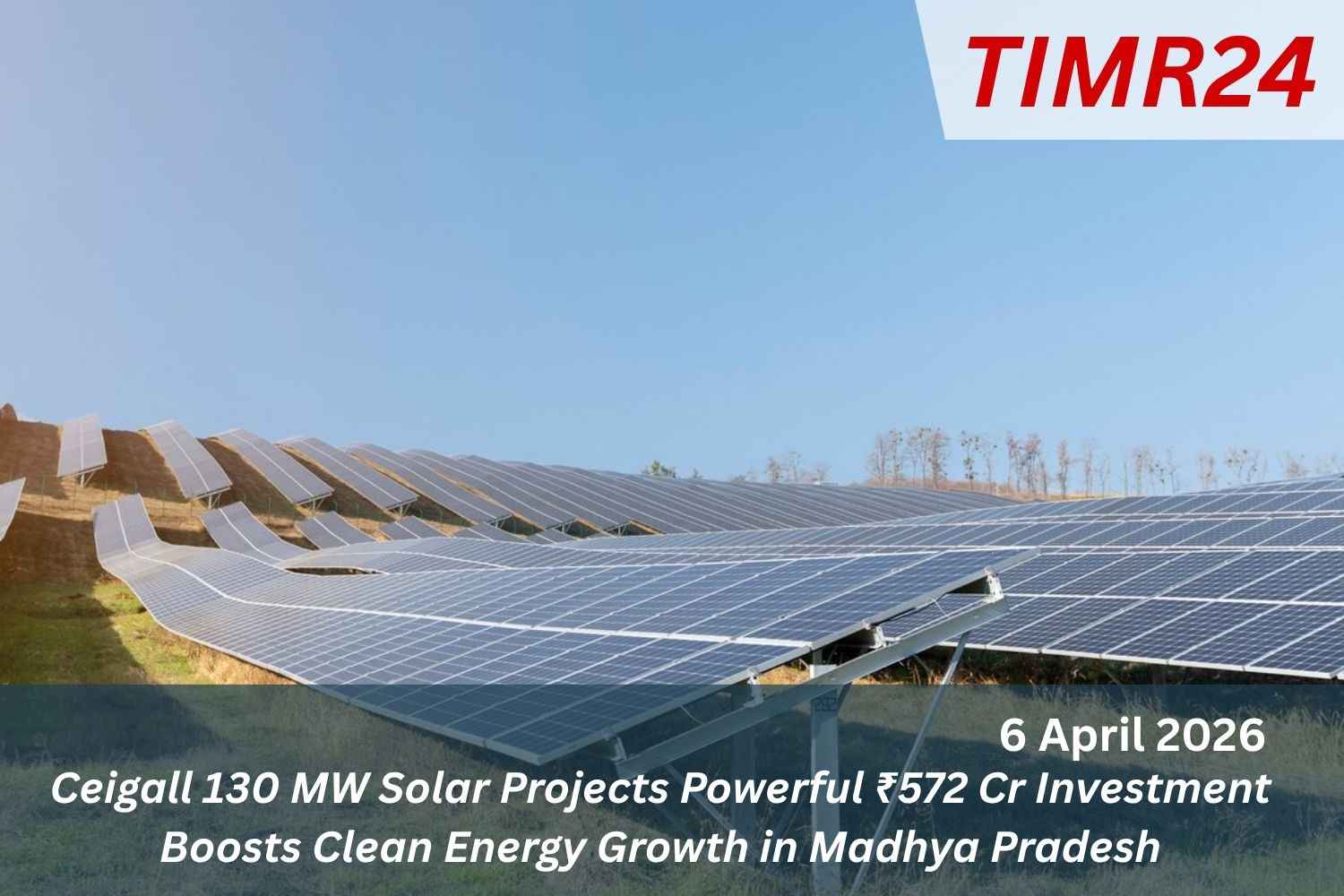
The state’s industrial growth, particularly in the steel sector Odisha is taking a significant step toward strengthening India’s renewable energy ecosystem by planning floating solar power projects across reservoirs in the state. This forward-looking initiative aligns with the national vision of expanding clean energy capacity while optimizing the use of existing natural resources. Floating solar technology, which involves installing photovoltaic panels on water bodies instead of land, has emerged as an innovative solution for states facing land constraints or seeking sustainable alternatives. Odisha’s vast network of reservoirs and dams makes it an ideal candidate for.
This technology, allowing the state to harness solar power without competing with agricultural or urban land use The move reflects Odisha’s growing commitment to renewable energy development and climate responsibility. As electricity demand continues to rise due to industrial (Railways) growth, urbanization, and improved living standards, the state recognizes the importance of diversifying its energy mix. Floating solar projects offer a dual advantage by generating clean electricity while reducing water evaporation from reservoirs. This is particularly beneficial for regions where water conservation is critical, as the solar panels help shade the water surface and limit losses caused by heat and wind.
Existing Hydropower Infrastructure
Floating solar power also complements Odisha’s existing renewable initiatives, including ground-mounted solar parks, wind energy projects, and green hydrogen exploration. By integrating floating solar installations with existing hydropower infrastructure, the state can enhance overall power generation efficiency. Hybrid systems that combine hydropower and solar energy ensure more stable electricity output, especially during dry seasons when water levels may fluctuate. This approach strengthens grid reliability and supports Odisha’s long-term energy security goals From an environmental perspective, floating solar projects contribute significantly to emission.
Reduction targets. By replacing fossil-fuel-based electricity with renewable solar power, Odisha can lower greenhouse gas emissions and improve air quality. This aligns with India’s broader climate commitments and renewable energy targets set under national policies. The initiative also supports sustainable development by promoting clean energy jobs, encouraging private investment, and fostering innovation in green technologies. More insights on India’s renewable initiatives can be explored through internal resources such as Renewable Energy India and Solar Power Projects Economically, floating solar projects can be cost-effective over.
Additionally, Odisha’s Policy Framework
The long term Although initial installation costs may be slightly higher than traditional land-based systems, savings on land acquisition and improved panel efficiency due to the cooling effect of water often offset these expenses. Additionally, Odisha’s policy framework is expected to attract both domestic and international investors looking for stable renewable energy opportunities. Government support, streamlined approvals, and public-private partnerships can further accelerate project implementation and capacity addition Odisha’s reservoir-based solar initiative also holds strategic importance for rural and semi-urban regions Many reservoirs are located near.
Agricultural belts and remote areas where power demand is growing. Floating solar projects can help supply electricity locally, reducing transmission losses and improving energy access. This decentralized power generation model supports rural development, boosts agricultural productivity, and enhances the resilience of local power networks. It also opens opportunities for skill development and employment in installation, maintenance, and operations of renewable energy assets The state government’s approach emphasizes environmental safeguards and technical feasibility. Detailed feasibility studies are being conducted to assess water depth, reservoir usage.
Development And conservation Odisha’s
And ecological sensitivity before project execution. Modern floating solar systems are designed to withstand water level fluctuations and extreme weather conditions, ensuring long-term performance and safety. Environmental assessments ensure that aquatic life, fisheries, and water quality remain protected throughout the project lifecycle, maintaining a balance between development and conservation Odisha’s floating solar plans also align with national renewable energy strategies promoted by the Ministry of New and Renewable Energy, which encourages innovative solar deployment models. By leveraging central government schemes and technical guidance.
The state can scale projects efficiently while maintaining regulatory compliance. Readers interested in national renewable policies can explore official platforms such as the Ministry of New and Renewable Energy, Odisha Government Portal, and the Ministry of Power through the external links provided above floating solar projects could position Odisha as a leader in renewable energy innovation among Indian states. Successful implementation can serve as a model for other regions with similar geographical advantages. As technology costs decline and efficiency improves, floating solar is expected to play a larger role in India’s clean energy transition.
Carbon Emissions Conserving
Odisha’s proactive planning demonstrates how states can adopt innovative solutions to meet rising energy needs while addressing environmental challenges Odisha’s plan to develop floating solar projects across reservoirs marks a transformative step toward sustainable energy (India) generation. By utilizing unused water surfaces, reducing carbon emissions, conserving water, and enhancing energy security, the initiative offers multiple long-term benefits. It strengthens the state’s renewable energy portfolio and supports India’s broader clean energy ambitions. As these projects move from planning to execution, they have the potential to reshape Odisha’s energy landscape and contribute meaningfully to a greener.
Q1. What are floating solar power projects?
Floating solar projects are solar power plants installed on water bodies such as reservoirs and dams instead of land.
Q2. Why is Odisha focusing on floating solar energy?
Odisha aims to use idle water surfaces efficiently while increasing clean energy capacity and reducing carbon emissions.
Q3. Which reservoirs will be used for floating solar projects?
The state is assessing major reservoirs and dams suitable for large-scale floating solar installations.
Q4. How do floating solar projects benefit the environment?
They reduce land use, minimize water evaporation, and lower dependence on fossil fuels.
Q5. Will floating solar projects affect water ecosystems?
Projects are planned with environmental safeguards to ensure minimal impact on aquatic life.