









India’s infrastructure pipeline is experiencing dynamic activity, with IMPACCT segmenting it into immediate, 3-6 month, and future opportunities, enabling businesses to identify and participate in high-value tenders and projects. The Infrastructure Opportunity Outlook 2025 by IMPACCT Info comes at a time when India’s infrastructure sector is not just growing but transforming into the backbone of national development, aligning with global sustainability goals and digital innovation, and this research-driven outlook explores how opportunities across urban mobility, ports, railways, logistics, smart cities, green construction, and digital infrastructure are shaping the future while guiding investors, policymakers, and developers toward strategic decision-making.
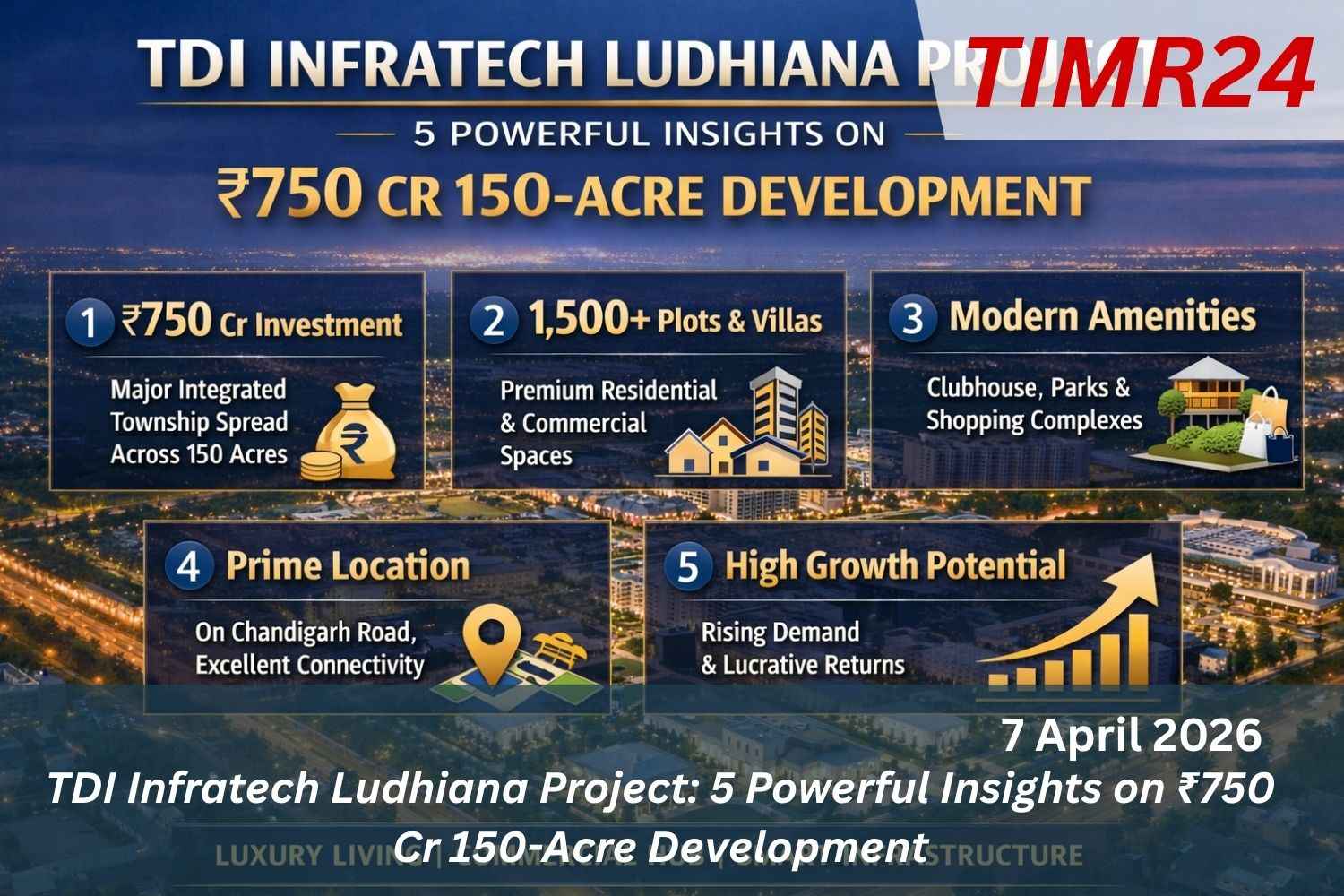
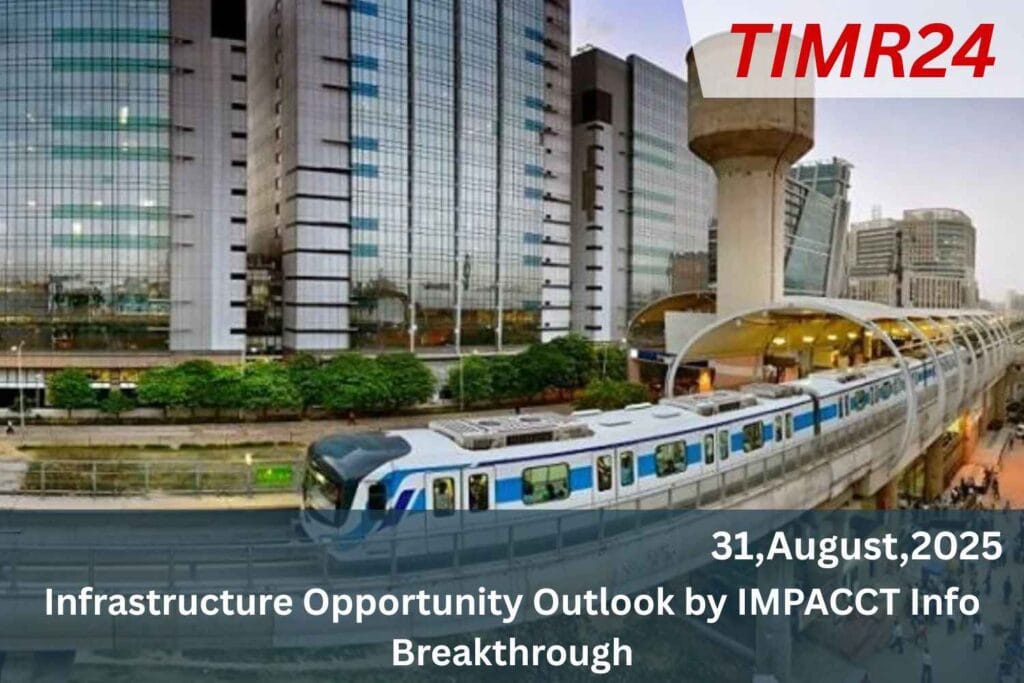
The conversation begins with urban mobility and smart cities, where projects like the (Delhi Metro) and the ongoing upgrades in Mumbai and Bengaluru are redefining how millions commute daily, with smart mobility integrating electric buses, metro corridors, and last-mile connectivity solutions supported by government initiatives like Smart Cities Mission; the role of technology in traffic management, digital ticketing, and intelligent transport systems is becoming increasingly significant, and according networks are expected to triple capacity by 2030, making this sector a magnet for investors and technology providers. Closely tied to this urban shift is the focus on green construction and net-zero goals, where projects adopting sustainable building materials, energy-efficient designs, and renewable energy integration are gaining prominence.
As seen in the framework that helps developers meet eco-friendly benchmarks, aligning with India’s climate commitments under the Paris Agreement, and institutions like driving awareness by certifying projects that comply with global sustainability norms; this transition is not limited to high-rise towers but also extends to industrial corridors, housing projects, and commercial hubs that now demand energy-saving systems, smart water management, and waste reduction technologies. Equally critical to India’s development story is the growth of ports, railways, and logistics, where modernization projects like are transforming trade efficiency, reducing turnaround times, and making India globally competitive in shipping and logistics.
urban mobility and smart cities
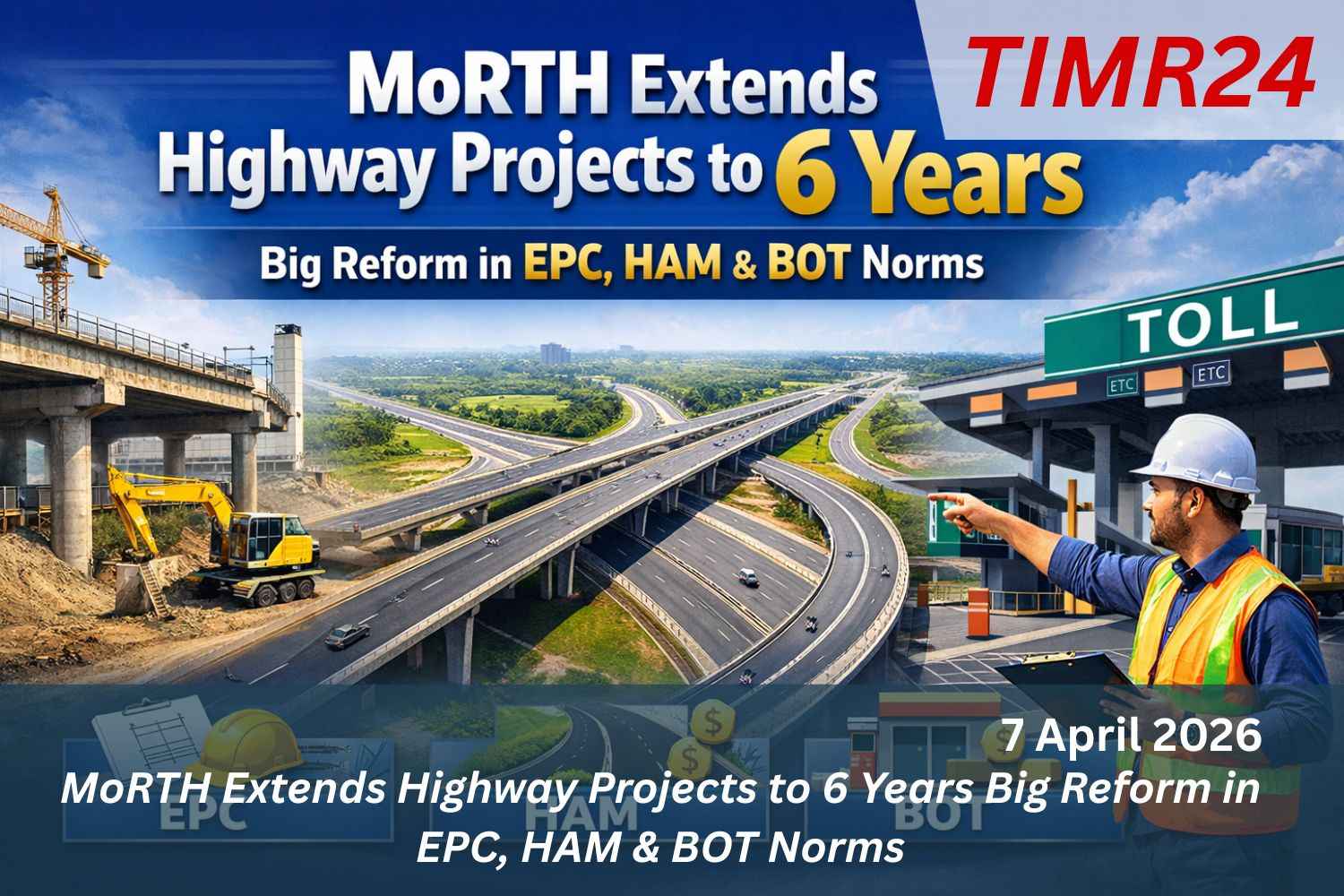
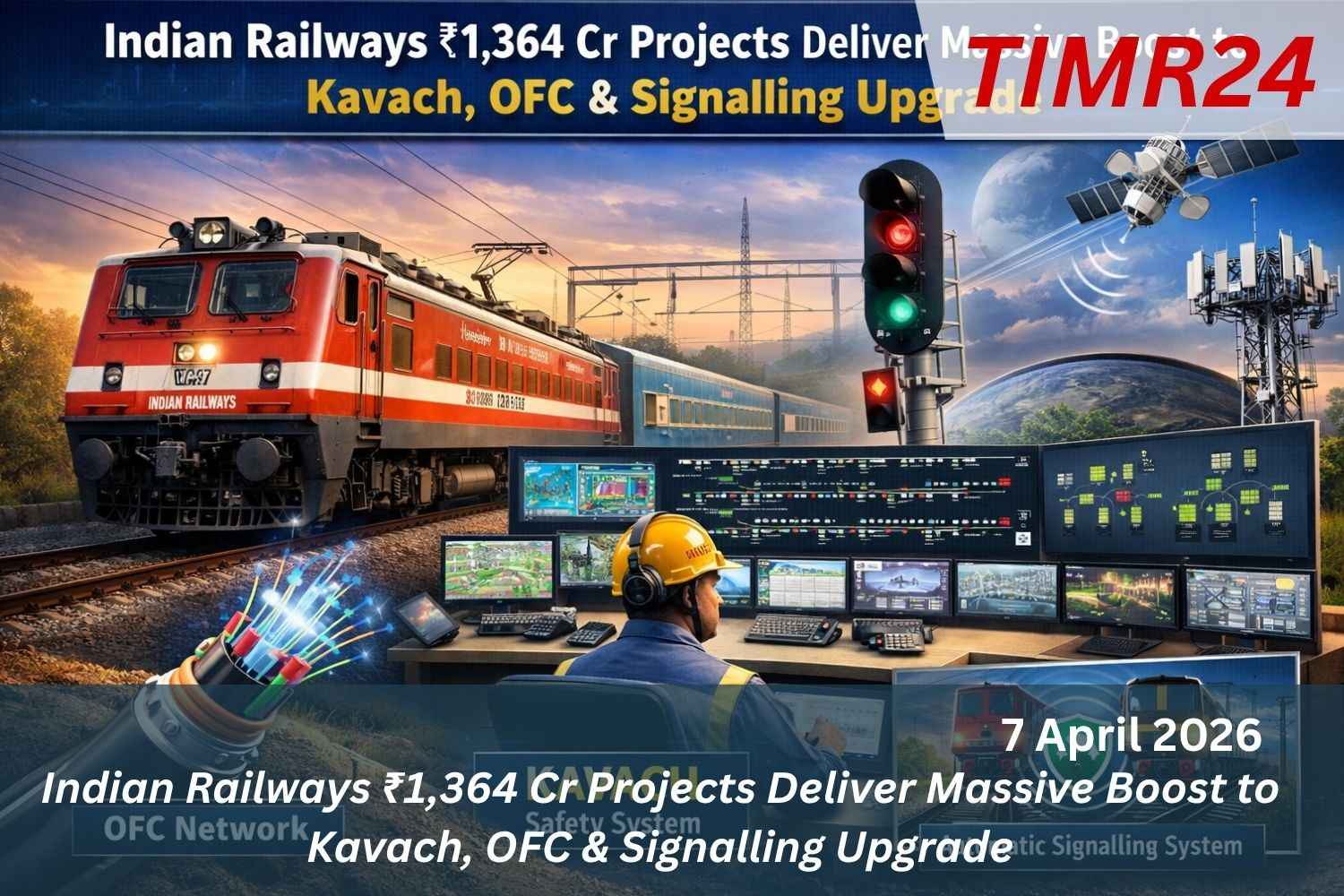
The emphasizes initiatives such as the Sagarmala Programme are creating world-class port-led infrastructure, boosting coastal trade and inland waterways, while freight corridors promise to reduce logistics costs by almost 40%, thus fuelling industrial supply chains and export growth. Alongside physical logistics, the emergence of digital infrastructure and smart technology is becoming the invisible backbone of India’s economic rise, with the rollout of 5G, the construction of data centers across cities like Hyderabad and Chennai, and cloud adoption creating a new digital ecosystem that powers smart governance, fintech, and e-commerce; supported by and driven under the flagship Digital India initiative, these investments are drawing foreign direct investment and transforming how industries collaborate, while the IMPACCT.
Info outlook highlights that sectors such as healthiest, edtech, and logistics-tech will see exponential growth once robust digital infrastructure is established. To ensure all these projects scale efficiently, the financing and policy ecosystem plays a crucial role, and here, innovative models like Public-Private Partnerships (PPP), Infrastructure Investment Trusts (InvIT’s), and sovereign wealth funds are stepping in to bridge the investment gap, as highlighted in where the Regional Rapid Transit System between Delhi and Meerut relies heavily on blended financing and multilateral support; organizations like the are not only providing capital but also knowledge sharing on risk mitigation, sustainability frameworks, and governance structures.
Ensuring that projects remain viable and globally aligned. Within this investment environment, the role of policy reforms and regulatory clarity cannot be understated, as the introduction of the National Infrastructure Pipeline (NIP), Gati Shakti Masterplan, and Make in India reforms have given investors confidence to commit to long-term projects, while states compete to attract capital by simplifying land acquisition, fast-tracking approvals, and creating special economic zones, making India a vibrant marketplace for both domestic and foreign players. Moreover, the IMPACCT Info report emphasizes the intersection of infrastructure and sustainability, noting that climate-resilient infrastructure will be crucial in the coming decades as cities face rising temperatures, flooding, and resource stress, which means urban planners and developers must integrate smart grids.
integration and global competitiveness
Renewable power, and disaster-resilient designs into mainstream projects; international bodies like the further highlight that resilient infrastructure is not just about growth but also about equity and long-term human well-being, a message that resonates deeply within India’s policy roadmap. Another emerging area highlighted in the outlook is regional integration and global competitiveness, where infrastructure corridors like Bharatmala and cross-border connectivity with South Asia are expected to strengthen India’s trade footprint, while logistics hubs linked to mega ports will help the country capture a bigger share of global supply chains; with manufacturing shifting from China to diversified markets, India’s infrastructure readiness will decide its success in attracting global giants across automotive, electronics, and renewable sectors.
Equally important is the rise of technology-driven construction and infrastructure management, where Building Information Modeling (BIM), Artificial Intelligence (AI), and Internet of Things (IoT) are being deployed to enhance efficiency, reduce delays, and control costs, with the IMPACCT Info outlook pointing out that these innovations will also create new employment opportunities, upskill the workforce, and open doors for start-ups to contribute solutions for large-scale projects. Taken together, the Infrastructure Opportunity Outlook by IMPACCT Info paints a holistic picture of a nation in transition, where every investment in metro projects, ports, renewable energy, or digital highways is not just an economic activity but a step toward redefining how India lives.
works, and connects with the world, and while challenges around land acquisition, financing, and execution remain, the opportunities are far greater, making the sector one of the most attractive arenas for both domestic and international stakeholders, who by participating now can be part of India’s decade of transformation, shaping not just infrastructure but the future of the economy itself.
Q1 What is the Infrastructure Opportunity Outlook by IMPACCT Info?
It is a research-driven report providing insights into India’s infrastructure opportunities, investment trends, and project pipelines.
Q2 Who can benefit from this outlook?
Investors, policymakers, developers, contractors, and technology providers seeking opportunities in infrastructure growth.
Q3 Which sectors are covered in the outlook?
Urban mobility, smart cities, renewable energy, logistics, construction, and digital infrastructure.
Q4 How does this outlook support investors?
By analyzing project viability, financing models, PPP frameworks, and policy reforms that reduce risks.
Q5: Where can stakeholders access further resources?
They can explore detailed insights at (NITI Aayog)