


















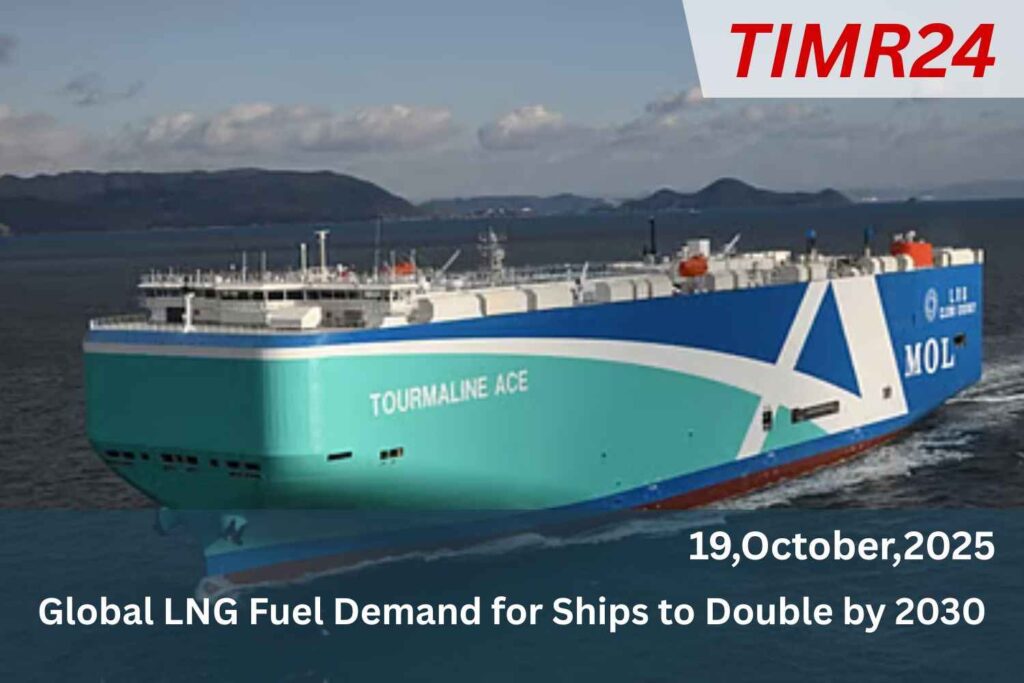
LNG demand is expected to double by 2030 due to global supply and stricter emission standards. Singapore leads LNG bunkering, with global bunkering potentially exceeding 4 million tonnes by 2025. The global maritime industry is undergoing a significant transformation, with liquefied natural gas (LNG) emerging as a pivotal alternative to traditional marine fuels. As of 2025, LNG accounts for approximately 1.2% of total marine fuel demand, a figure projected to rise to 5.6% by 2030 and further increase to 15.6% by 2050 (INOX). This shift is driven by a confluence of factors, including stringent environmental regulations, technological advancements, and the economic advantages of LNG over conventional fuels.
The International Maritime Organization (IMO) has set ambitious targets to reduce greenhouse gas emissions from shipping, aiming for a 50% reduction by 2050 compared to 2008 levels. In line with these objectives, the European Union introduced the FuelEU Maritime regulation in 2025, imposing maximum limits on the greenhouse gas intensity of energy used by ships above 5,000 gross tonnage calling at European ports. These regulatory measures are compelling shipping companies to adopt cleaner fuels, with LNG being a viable option due to its lower carbon emissions compared to traditional marine fuels.
Infrastructure Expansion and Technological Advancements
The growth in LNG adoption is further supported by the expansion of bunkering infrastructure and advancements in dual-fuel engine technology. As of early 2025, there are 781 LNG-ready vessels, with projections indicating this number will exceed 1,400 by 2030 (Construction). This increase reflects the industry’s commitment to transitioning towards more sustainable fuel sources The economic competitiveness of LNG is bolstered by the anticipated growth in global LNG supply. The U.S. Energy Information Administration projects that North America’s LNG export capacity could more than double by 2029, reinforcing the U.S. position as the largest LNG exporter globally.
This surge in supply is expected to reduce LNG prices, making it a more attractive option for shipping companies seeking cost-effective and environmentally friendly fuel alternatives Regionally, Singapore leads in LNG bunkering volumes, followed by China and the Netherlands. These countries are investing heavily in LNG infrastructure to meet the growing demand from the shipping industry. In India, the shipbuilding sector is also making strides, with Cochin Shipyard securing its first global order to build LNG-powered container ships worth $300 million for France-based CMA CGM, the world’s third-largest container shipping company This development underscores the global shift.
Towards LNG as a marine fuel and highlights India’s emerging role in the international maritime industry. Looking ahead, the demand for LNG as a marine fuel is poised to continue its upward trajectory. With the combination of regulatory pressures, technological advancements, and economic incentives, LNG is set to play a central role in the decarbonization of the global shipping industry. As the infrastructure and supply chains supporting LNG expand, its adoption is expected to become more widespread, contributing significantly to the reduction of the maritime sector’s carbon footprint the maritime industry’s shift towards LNG as a primary fuel source by 2030 is a multifaceted.
Development driven by environmental regulations, technological innovations, economic factors, and regional initiatives. This transition not only signifies a commitment to sustainability but also reflects the industry’s adaptability in the face of evolving global energy dynamics.
Q1. Why is LNG becoming popular as ship fuel?
LNG reduces greenhouse gas emissions and sulfur oxide pollutants, making it a cleaner alternative to traditional marine fuels.
Q2. When is LNG demand for ships expected to double?
The global demand for LNG as ship fuel is projected to double by 2030 due to stricter environmental regulations.
Q3. Which regions are leading in LNG-powered shipping?
Europe and Asia are at the forefront, investing in LNG bunkering infrastructure and retrofitting fleets.
Q4. Is LNG cost-effective for shipping companies?
While initial infrastructure costs are high, LNG offers long-term savings due to lower fuel emissions and compliance benefits.
Q5. What types of ships are using LNG?
LNG is increasingly used in container ships, cruise liners, tankers, and ferries aiming to meet stricter emission standards.