
















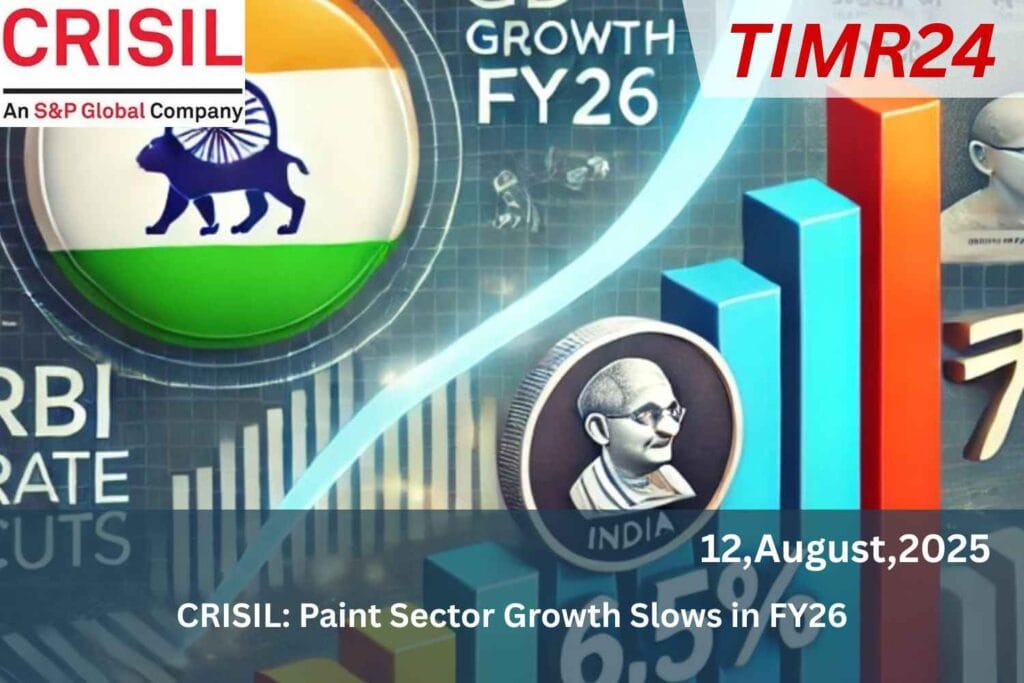
India’s paint sector is expected to experience a sluggish year in 2026, with volume growth expected to be just 4-5% due to weak urban demand, slowing housing activity, and tepid automotive sales. Revenue growth is expected to remain flat, with operating margins expected to dip further to about 15.5%. The top five manufacturers, representing 85% of the sector’s revenue, are focusing on product upgrades and backward integration, funded through healthy internal accruals. CRISIL Ratings predicts that competitive realignment will intensify as incumbents defend share, new entrants expand, and a significant manufacturer’s acquisition reshapes the market. Manufacturers are focusing on automation, supply-chain optimization, backward integration of key inputs, and product innovation to limit profitability pressures.
The sector’s financial resilience continues, with established players maintaining near debt-free balance sheets and robust liquidity. The Indian paint industry, known for its consistent growth trajectory over the last decade, is facing a period of moderation. According to the latest report by CRISIL Ratings, the sector is expected to witness slower growth in FY26 compared to previous years. Factors such as a high base effect, fluctuating raw material prices, and muted demand in certain market segments have contributed to this outlook. This shift is significant for manufacturers, dealers, and investors alike.
Overview of CRISIL’s Findings
CRISIL’s report projects that the overall paint sector will expand at a slower pace in FY26, with volume growth moderating and value growth impacted by softer price realizations. While premium decorative paints may continue to find buyers in urban and semi-urban regions, the rural market is expected to face a slowdown due to lower atest (CRISIL Ratings) report, disposable income and reduced construction activity. One of the key drivers for paint prices is the cost of titanium dioxide and crude oil derivatives, both of which have shown volatile pricing trends over the past year. While prices have softened compared to pandemic highs, global supply chain uncertainties and currency fluctuations continue to keep input costs unpredictable.
Decorative vs. Industrial Paint Segments
- Decorative Paints: This segment, which includes interior and exterior wall finishes, continues to dominate the market. However, CRISIL notes that demand in rural areas has softened due to reduced government spending on rural housing schemes.
- Industrial Paints: Used in automotive, marine, and heavy machinery applications, this segment faces challenges from a slowdown in manufacturing activity. However, exports remain a positive contributor, cushioning some of the domestic weakness.
- The Indian paint market has historically been dominated by a few large players, but the past few years have seen an influx of new entrants, both domestic and international. With aggressive pricing strategies and promotional campaigns, these players have increased competition in the decorative paint segment.
Demand for paints is closely tied to the health of the real estate and infrastructure sectors. While urban real estate activity has remained stable, government infrastructure spending in certain states has slowed down, indirectly impacting industrial paint consumption. CRISIL’s report suggests that unless housing launches in tier-2 and tier-3 cities pick up pace, decorative paint growth may remain subdued in FY26. (Manufacturing)
Technological and Product Innovations
Despite the slowdown, innovation remains a focal point for growth. Leading companies are introducing eco-friendly paints, quick-dry coatings, and anti-bacterial solutions to cater to changing consumer preferences. Additionally, technology-driven initiatives such as colour visualizer apps and AI-based shade recommendations are enhancing customer engagement. While FY26 may see moderated growth, CRISIL maintains a positive long-term outlook for the Indian paint sector. Rising disposable incomes, urbanization, and evolving lifestyle trends are expected to support steady demand over the next decade. Additionally, government initiatives promoting affordable housing and smart cities could provide a demand boost post-FY26. The slowdown predicted by CRISIL in FY26 serves as a reminder that even high-performing industries are not immune to macroeconomic challenges.
Q1. What did CRISIL report about the paint sector in FY26?
CRISIL projects slower growth in the Indian paint sector due to demand moderation and competitive pricing pressures.
Q2. What is causing the slowdown in the paint industry?
Key factors include a high base effect, volatile raw material prices, and weaker rural demand.
Q3. Which paint segment is more affected?
The decorative segment is seeing a bigger slowdown in rural markets, while industrial paints face challenges from manufacturing slowdowns.
Q4. Will raw material prices impact growth further?
Yes, fluctuations in titanium dioxide and crude oil derivatives can influence production costs and pricing strategies.
Q5. What is the long-term outlook for the sector?
Despite short-term moderation, CRISIL expects steady long-term growth driven by urbanization, housing demand, and innovation.