





The 11th International Materials Recycling Conference (IMRC) focused on sustainable practices and economic growth, with over 2200 delegates and 200 exhibitors from 35 countries. The conference aimed to promote recycling, circular economy, and sustainability, echoing themes from COP28. India’s focus remains on propelling the country towards a growth trajectory exceeding 8%, crossing the $4 trillion GDP mark in 2024. The conference laid a robust foundation for fostering collaboration, investments, and technological innovations in the recycling sector, contributing to a greener and more sustainable global future The Plenary Session addressed the need for a strategic approach to.
Scrap imports, aligning with global trends. The President of MRAI, Sanjay Mehta, emphasized the need for a minimum 20% recyclable material to be mandated for new product development for circular economy principles. Steel Minister Shri. Jyotiraditya Scindia announced that the percentage of scrap will be 50% in the next 25 years, with the balance 50% as iron ore Amar Singh, Secretary General of MRAI, urged the recycling industry to collaborate, partner, and invest in tech solutions. The companies participating in IMRC have observed a 100% YoY growth. The 11th International Mining and Resources Conference (IMRC 2025) marks a significant.
Milestone in the journey toward combining economic progress with sustainability. This event is not just a gathering of industry leaders but a global platform that recognizes the pressing need for responsible mining, renewable energy adoption, and innovative technology to support future economic frameworks. Over the years, IMRC has evolved into one of the most important summits for the mining and resources industry, highlighting how responsible extraction, environmental stewardship, and economic opportunities can exist in harmony. The 2025 edition takes this mission further, with discussions centered on sustainable practices, cleaner technologies, and inclusive growth models that reflect the demands of a rapidly changing world.
Sustainable Mining Practices at the Core
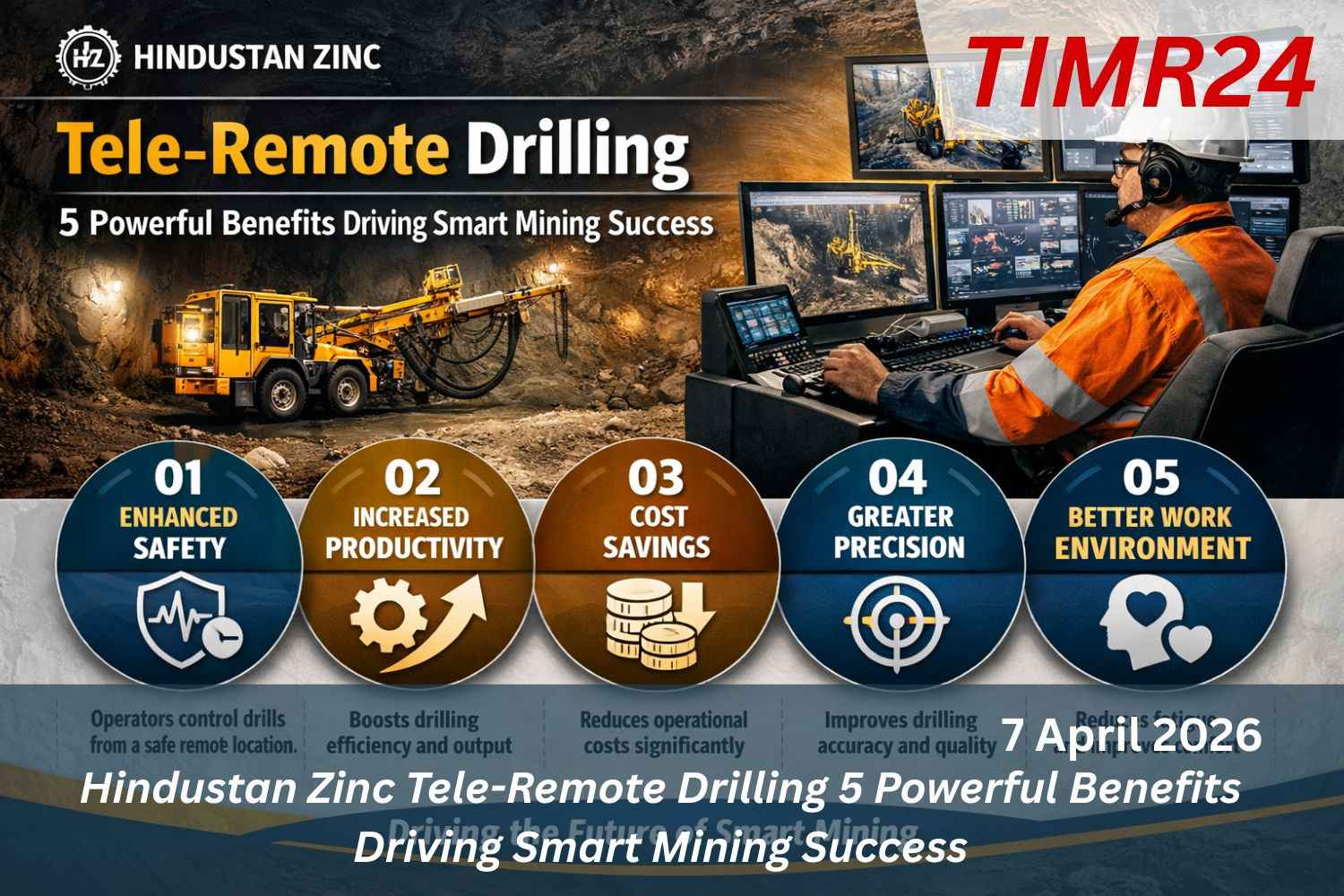
At the heart of IMRC 2025 lies the theme of sustainable mining practices. Mining, by nature, is resource-intensive, but through modern approaches, the sector is finding ways to reduce its environmental footprint. By adopting advanced methods such as green energy-powered operations, recycling of water resources, and cutting-edge waste management, the industry is setting new standards. The focus is not only on minimizing ecological damage but also on ensuring that local communities benefit from resource projects through jobs, skill development, and better infrastructure. Readers who want to explore how sustainable infrastructure supports growth can also check our.
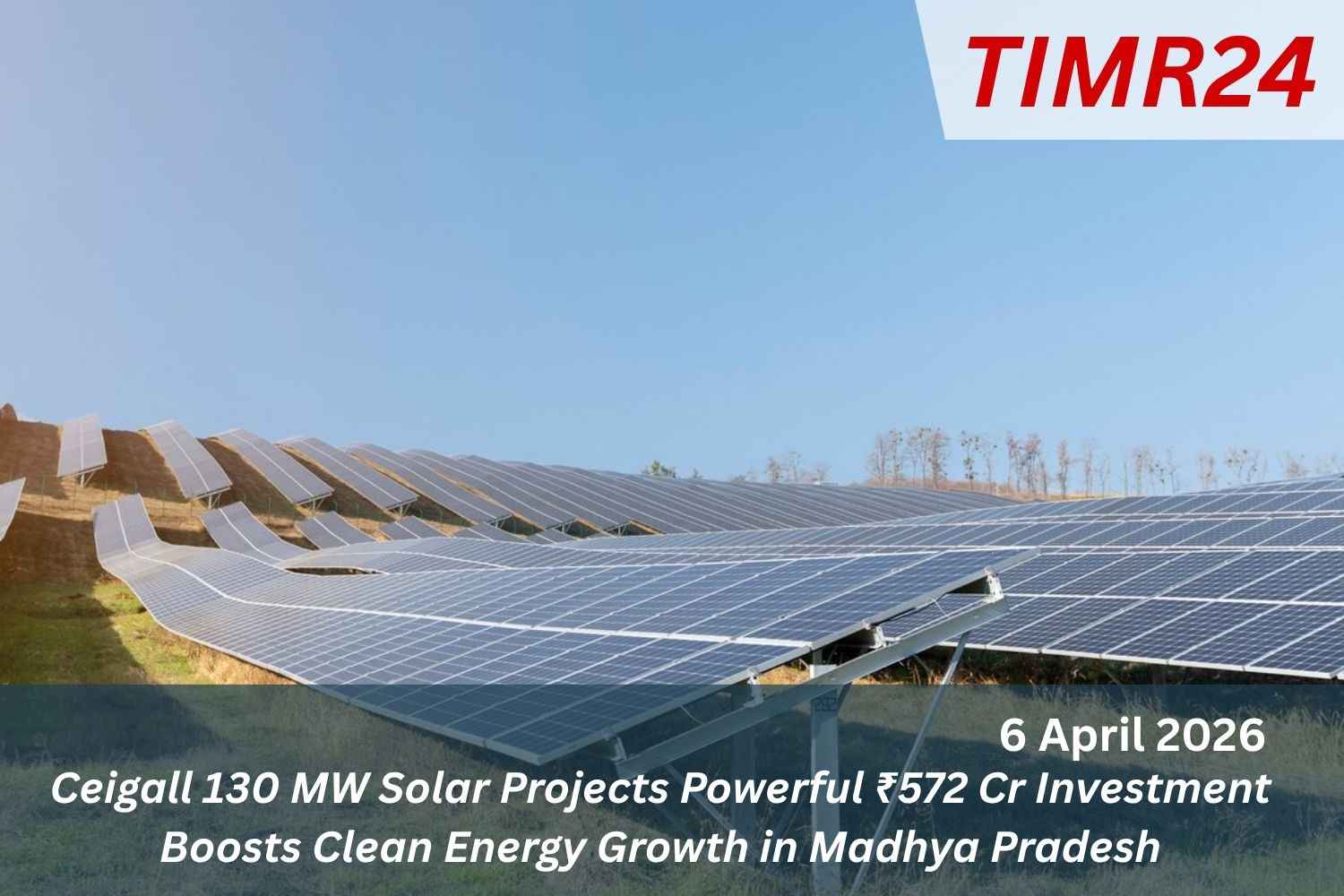
Insights on which represents a shift toward greener industrial practices Renewable energy integration is another central point of the IMRC discussions. Mining operations require huge amounts of power, and reliance on fossil fuels has traditionally made the industry a large carbon emitter. IMRC 2025 explores ways in which solar, wind, and green hydrogen can power mines and reduce carbon intensity. This approach not only benefits the environment but also makes the industry more resilient to fuel price fluctuations. Large corporations are already investing in hybrid energy systems, combining renewable power with battery storage to create a reliable and cost-efficient solution.
Economic Growth and Global Collaboration
The recent project by reflects how renewable capacity can directly support energy-intensive industries like mining. For further global context, organizations like provide detailed insights into how renewable energy adoption reshapes resource-heavy sectors The IMRC is not just about technology and environment; it is equally a platform to boost global economic cooperation. By bringing together policymakers, CEOs, innovators, and investors, it creates opportunities for partnerships that can accelerate cross-border investments. Mining is often linked with GDP growth, employment creation, and infrastructure development, making it a pillar of economic.
Strategy for many nations. For India, which hosts the 11th IMRC, the event reinforces its role as a hub for sustainable industrial practices and global collaborations. This aligns with India’s broader vision of becoming a $5 trillion economy, supported by responsible resource management. To see another example of how large-scale investments impact economies, you can read about (DP World’s) One of the most anticipated aspects of IMRC 2025 is the showcase of technological innovations. Automation, digital twins, AI-based monitoring, and blockchain-enabled supply chains are transforming mining into a more transparent, safe, and efficient industry.
These technologies reduce wastage, increase worker safety, and ensure compliance with environmental laws. At the same time, they improve efficiency by predicting equipment failures and optimizing production processes. Such innovation is necessary to maintain competitiveness in a global market while meeting sustainability targets. According to the technology-driven resource management is crucial in balancing resource needs with climate commitments, particularly as the demand for critical minerals like lithium, cobalt, and rare earths rises.
Community Development and Social Responsibility
IMRC 2025 emphasizes that mining is not just about profits it must also benefit communities. Companies today are expected to go beyond compliance and invest in local development through education, healthcare, and sustainable livelihoods. This responsibility is part of the broader concept of ESG (Environmental, Social, Governance), which is becoming a core business requirement. By including local communities in decision-making, ensuring fair employment, and protecting indigenous rights, mining companies can create long-lasting positive impact. The success stories presented at IMRC 2025 reflect how resource projects can become catalysts for regional.
Development rather than just extraction hubs. For related updates, see our article on SPML Infra’s which demonstrates how infrastructure projects contribute to local communities while driving growth The global climate crisis demands immediate action, and IMRC 2025 recognizes that mining companies cannot ignore their responsibility. The conference highlights best practices in carbon capture, energy efficiency, and biodiversity conservation. These strategies are essential not just for corporate reputations but also for securing licenses to.
Operate in the future. The commitment toward the is evident throughout the conference, as stakeholders work toward reducing emissions, preserving natural ecosystems, and ensuring equitable growth. By aligning mining practices with climate goals, IMRC 2025 sets a precedent for other resource-intensive industries to follow. The long-term vision emerging from IMRC 2025 is clear: mining must evolve into a smarter, cleaner, and more inclusive sector. Economic growth is important, but it cannot come at the expense of the planet or future generations. Instead, the focus is on balance—how to meet the rising demand for minerals and metals that power renewable energy.
Shaping the Future of Global Mining
Technologies while also protecting nature. This transformation requires a joint effort of governments, industries, and civil society, and IMRC 2025 acts as a bridge connecting these diverse players. By encouraging policy reforms, incentivizing innovation, and promoting responsible leadership, the conference is laying the groundwork for the mining sector of tomorrow The 11th IMRC is more than a conference it is a movement toward aligning industry with sustainability and economic resilience. By focusing on renewable energy integration, technological innovation, social responsibility, and climate action, IMRC 2025 demonstrates how mining can become a positive force in global,
Development. With active participation from world leaders, corporations, and local stakeholders, the event reinforces the belief that growth and sustainability are not conflicting goals but complementary ones. The discussions and outcomes from IMRC 2025 will influence mining policies, corporate strategies, and community development models for years to come, making it a landmark event in shaping the future of sustainable global economies,
Q1. What is the 11th IMRC about?
The 11th IMRC focuses on sustainable mining practices, innovation, and economic growth.
Q2. Where is IMRC 2025 being held?
The event will take place in India with global participation.
Q3. Who attends the IMRC conference?
Industry leaders, policymakers, environmental experts, and investors.
Q4. How does IMRC contribute to sustainability?
By promoting green technologies, responsible mining, and renewable integration.
Q5. Why is IMRC important for economic growth?
It creates global opportunities, fosters innovation, and drives responsible resource management.