









Union Minister of Ports, Shipping & Waterways, Shri Sarvanana SonicWALL has launched capacity building initiatives worth over ₹276 crore at Visakhapatnam Port, aiming to modernize the port’s infrastructure and support community needs. The projects include the construction of a B-Ramp, a new finger jetty and wharf in the fishing harbour, two additional breasting dolphins at OSTT, an additional ramp connecting the Ambedkar.
Centenary Flyover to the L-17 corridor, a public promenade near the cruise terminal, and the construction of toilet blocks at 15 locations within the port premises. These initiatives aim to improve infrastructure, operational efficiency, and public amenities, positioning Visakhapatnam Port as a sustainable, inclusive, and future-ready port under India’s maritime development vision. The projects also include the commissioning of a new Oil Refinery Berth-2 and the installation of advanced fire-fighting facilities at the OSTT Berth.
Infrastructure Expansion
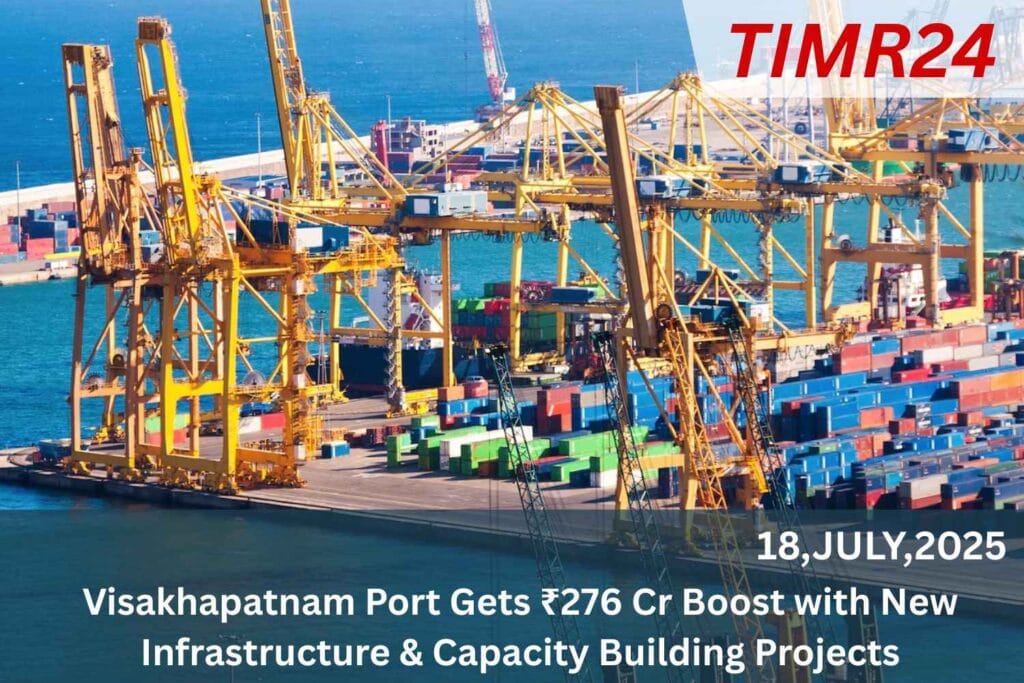
Visakhapatnam Port Authority (VPA) is set to undergo a transformative upgrade with the Union Government approving ₹276 crore worth of infrastructure and capacity building projects. This strategic investment aims to enhance operational efficiency, cargo handling, and overall competitiveness of the port, which is among India’s key maritime hubs. The latest allocation includes berth mechanization, improved storage facilities, and digitization of port operations.
Focus on Modernization
A major part of the ₹276 crore package will be directed toward modernizing the port’s existing infrastructure. This includes the redevelopment of older berths, construction of container yards, and installation of high-capacity cranes. The modernization efforts are expected to drastically reduce turnaround time for ships and improve cargo throughput.
Capacity Building Initiatives
Apart from physical infrastructure, a significant portion of the investment is earmarked for human resource development and capacity building. VPA has outlined programs to train port workers in new technologies, safety protocols, and environmentally sustainable practices. These efforts align with the Ministry of Ports, Shipping and Waterways’ broader vision under the Sagarmala Programme to create efficient and green ports across India.
Boost to Regional Trade
The upgraded port facilities are expected to have a ripple effect on regional trade and commerce. Located strategically on the eastern coast, Visakhapatnam Port connects Andhra Pradesh to major international shipping routes. With enhanced infrastructure, the port will be better positioned to handle growing cargo volumes, particularly in sectors like minerals, fertilizers, coal, and containerized goods. This move is also expected to bolster Andhra Pradesh’s logistics and industrial corridors, supporting state-level initiatives.
Environmental Considerations
Environmental sustainability remains a core aspect of the expansion plan. VPA is integrating green technologies such as electric vehicles for internal transport, solar panels for energy, and water recycling facilities. These additions contribute to the port’s goal of becoming a cleaner and more energy-efficient maritime gateway.
Looking Ahead
This ₹276 crore investment marks a decisive step forward in reinforcing India’s coastal infrastructure network. As global trade continues to grow and shift toward maritime routes, ports like Visakhapatnam are vital for maintaining India’s export-import balance and economic resilience. With execution expected to begin in phases over the coming year, the initiative promises long-term gains for the region’s economy, employment generation, and logistics ecosystem.
Q1. What is the total investment planned for Visakhapatnam Port’s upgrade?
The government has approved an investment of ₹276 crore for infrastructure and capacity building projects.
Q2. What will the funding be used for?
The funds will support berth mechanization, storage facilities, modern equipment, and digital port operations.
Q3. How will this boost port efficiency?
The upgrades aim to reduce ship turnaround time and increase cargo handling capacity.
Q4. Are there any environmental initiatives included?
Yes, green technologies like solar energy, water recycling, and electric vehicles are part of the plan.
Q5. How will this impact the regional economy?
Improved infrastructure will enhance trade flow, support local industries, and generate employment in the region.