












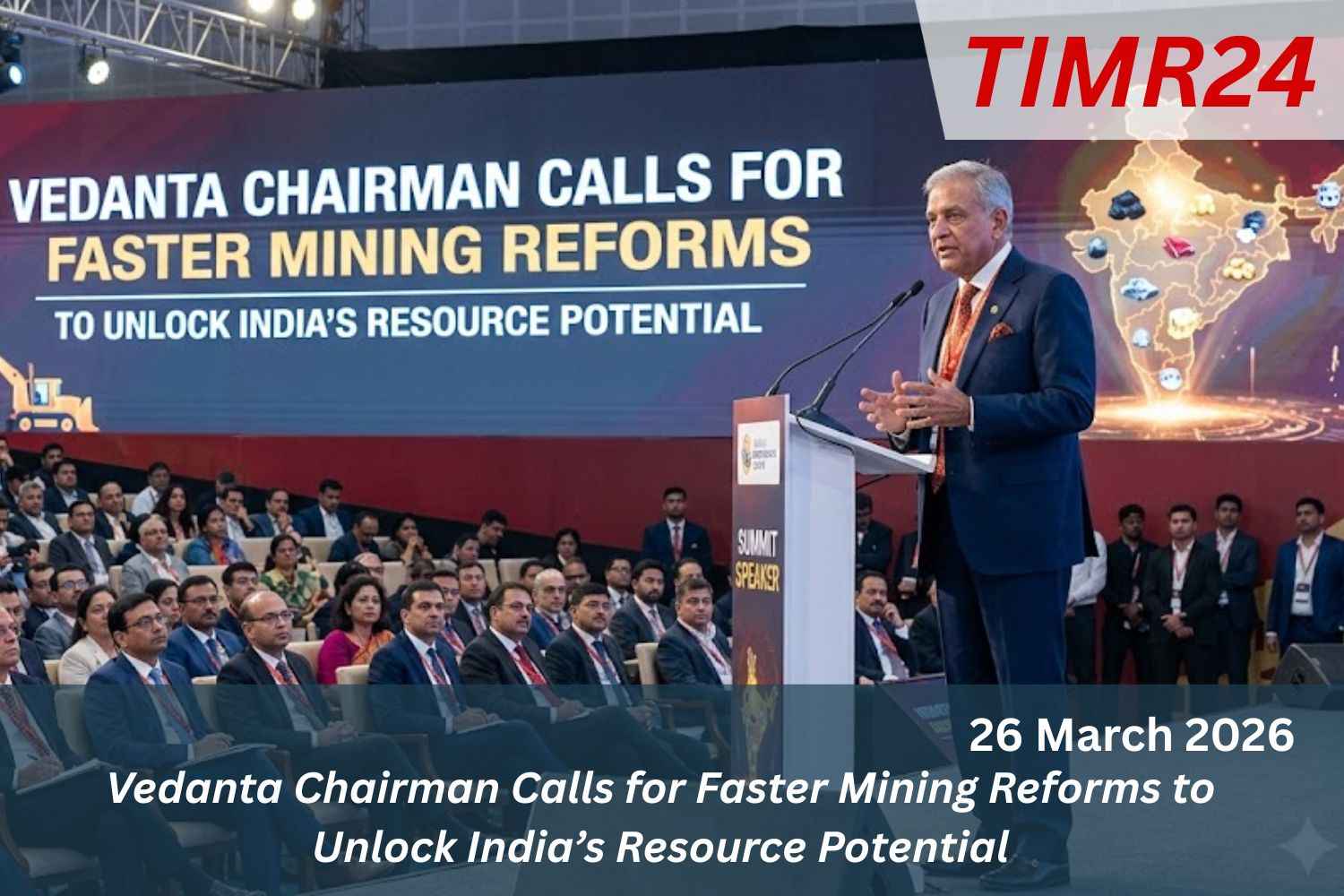

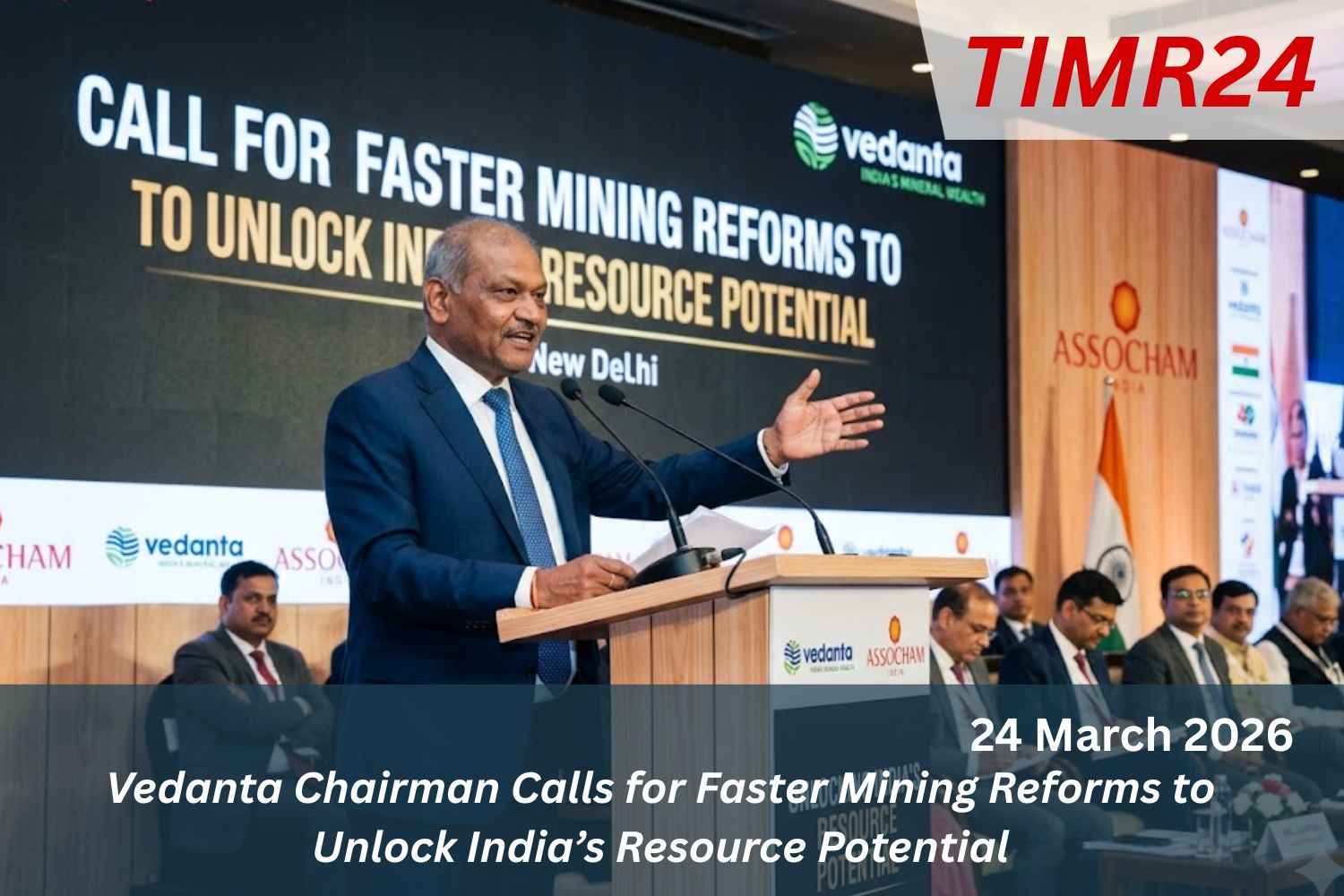


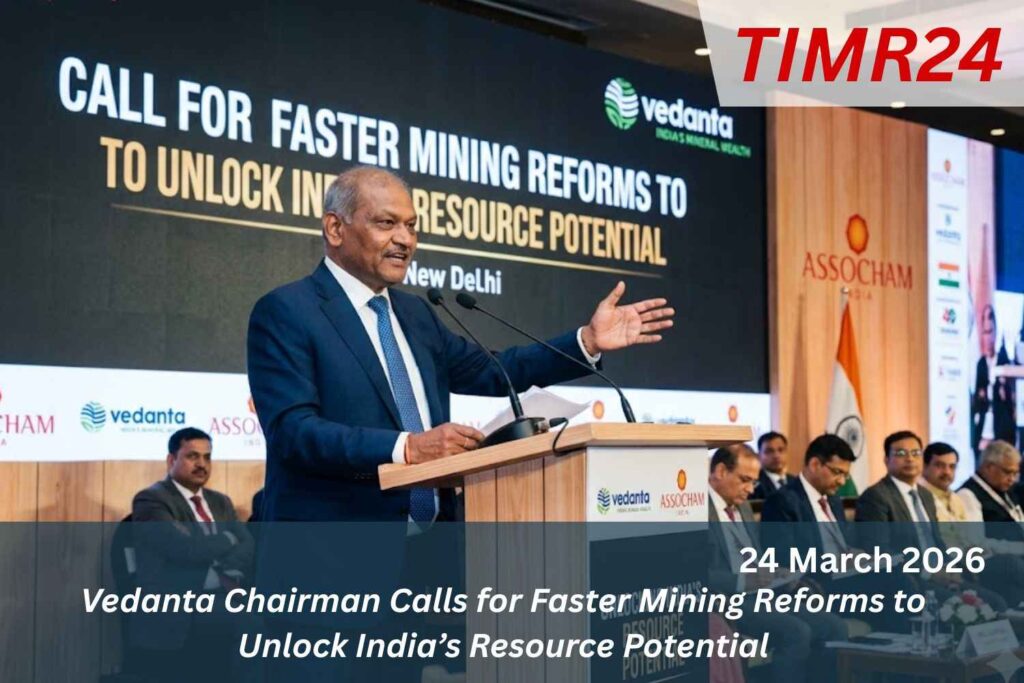
Anil Agarwal, Chairman of Vedanta Limited, emphasized the urgent need to operationalize auctioned mining blocks in India to improve mineral security, reduce import reliance, and create jobs. He highlighted that 85% of auctioned blocks from the past decade remain unproductive, which hinders India’s ability to utilize its geological resources amid global energy crises. Agarwal identified three main obstacles: challenges in land acquisition, delays in approvals, and high premiums for certain mines. He proposed leveraging technology for land acquisition, streamlining approval processes, and keeping mining premiums manageable to enhance commercial viability.
Industrial Expansion, Infrastructure Development
Agarwal expressed optimism in India’s potential to become a mineral and hydrocarbons hub and called for collaborative efforts towards achieving these goals, aligning with the vision of an Atmanirbhar Bharat India is at a critical stage of economic transformation, where the demand for natural resources is increasing rapidly due to industrial expansion, infrastructure development, and the growing push toward clean energy. In this context, the Chairman of Vedanta Limited, Anil Agarwal, has strongly emphasized the need for faster and more efficient mining reforms to unlock the country’s vast resource potential. His call comes at a time when India is striving to become.
A global manufacturing hub and reduce its dependence on imports for essential minerals and raw materials India is rich in mineral resources, including coal, iron ore, bauxite, and rare earth elements, yet a significant portion of these resources remains underutilized. The primary reason behind this underutilization is the complex regulatory framework, lengthy approval processes, and lack of coordination between different government bodies. Agarwal highlighted that despite having abundant resources, India continues to import large quantities of minerals, which puts pressure on foreign exchange reserves and increases production costs for industries.
Ensures Sustainability Economic Growth
One of the key concerns raised is the slow pace of environmental and forest clearances. While environmental protection is crucial, delays in approvals often discourage investment and stall projects for years. Agarwal suggests that a balanced approach is needed one that ensures sustainability while also enabling economic growth. Streamlining the approval process through digital systems and setting clear timelines could significantly improve efficiency in the sector Another important aspect of mining reforms is policy stability. Investors, both domestic and international, require a predictable policy environment to commit long-term capital. Frequent changes in regulations.
Unclear guidelines, and retrospective policies create uncertainty and reduce investor confidence. By ensuring consistent and transparent policies, the government can attract more investments into the mining sector, which in turn will lead to job creation and economic development The role of private sector participation is also crucial in unlocking India’s mining potential. Companies like Vedanta have the expertise, technology, and financial capability to undertake large-scale mining operations. Encouraging private participation through competitive bidding and public-private partnerships can accelerate exploration and production activities. Agarwal has consistently advocated for.
Supports Industries Such As Steel, Cement, Power
Greater involvement of private players to enhance efficiency and innovation in the sector Mining reforms are not just about extracting resources; they have a multiplier effect on the entire economy. For instance, increased mining activity supports industries such as steel, cement, power, and manufacturing. It also boosts infrastructure development, as minerals are essential for building roads, railways, and urban infrastructure. In addition, the growth of the mining sector contributes to rural development by creating employment opportunities in remote and underdeveloped regions India’s push toward renewable energy and electric vehicles (EVs) further underscores.
The importance of mining reforms. Minerals like lithium, cobalt, and nickel are essential for battery production, and securing a stable supply of these resources is critical for the country’s energy transition. Without a strong domestic mining ecosystem, India may struggle to achieve its clean energy goals and remain dependent on imports Agarwal also pointed out that technology adoption can play a transformative role in the mining sector. Advanced technologies such as automation, artificial intelligence, and data analytics can improve efficiency, reduce operational costs, and enhance safety. By integrating technology into mining operations, India can compete with global leaders and ensure sustainable resource extraction.
Reducing Compliance Burdens, And Encouraging
Another major challenge in the sector is the lack of exploration activities. Compared to other resource-rich countries, India spends relatively less on mineral exploration. Increasing investment in exploration is essential to identify new reserves and expand (India) the resource base. The government can incentivize exploration by offering tax benefits, reducing compliance burdens, and encouraging collaboration between public and private entities In addition to economic benefits, mining reforms can also contribute to national security. Many critical minerals are essential for defense and strategic industries. By developing domestic mining capabilities, India can reduce.
Involving Policy Reforms, Technological advancement
Its reliance on imports from other countries and ensure a secure supply chain for critical materials The government has already taken some steps in this direction, such as introducing commercial coal mining and auctioning mineral blocks. However, more needs to be done to address the structural issues in the sector. Agarwal believes that a holistic approach, involving policy reforms, technological advancement, and stakeholder collaboration, is necessary to unlock the full potential of India’s mining industry From a global perspective, India has the opportunity to position itself as a major player in the mining sector. With increasing demand for resources worldwide, countries.
That can efficiently extract and supply minerals will have a competitive advantage. By implementing faster reforms and improving ease of doing business, India can attract global investments and strengthen its position in the global supply chain the call for faster mining (India) reforms by Vedanta’s Chairman reflects a broader need to align India’s resource potential with its economic ambitions. By addressing regulatory bottlenecks, promoting private participation, and leveraging technology, India can unlock immense value from its natural resources. This will not only drive economic growth but also create jobs, strengthen infrastructure, and support the country’s transition toward a sustainable and self-reliant future.
Q1. Why is mining reform important for India?
Mining reforms help unlock natural resources, boost industrial growth, and reduce import dependency.
Q2. What did Vedanta Chairman say about reforms?
Anil Agarwal emphasized faster approvals, policy clarity, and private sector participation.
Q3. How will reforms impact the economy?
It can increase GDP growth, generate employment, and strengthen infrastructure development.
Q4. What challenges does India’s mining sector face?
Regulatory delays, environmental approvals, and lack of investment are key issues.
Q5. Which sectors benefit from mining reforms?
Steel, power, infrastructure, EV, and manufacturing sectors benefit the most.