

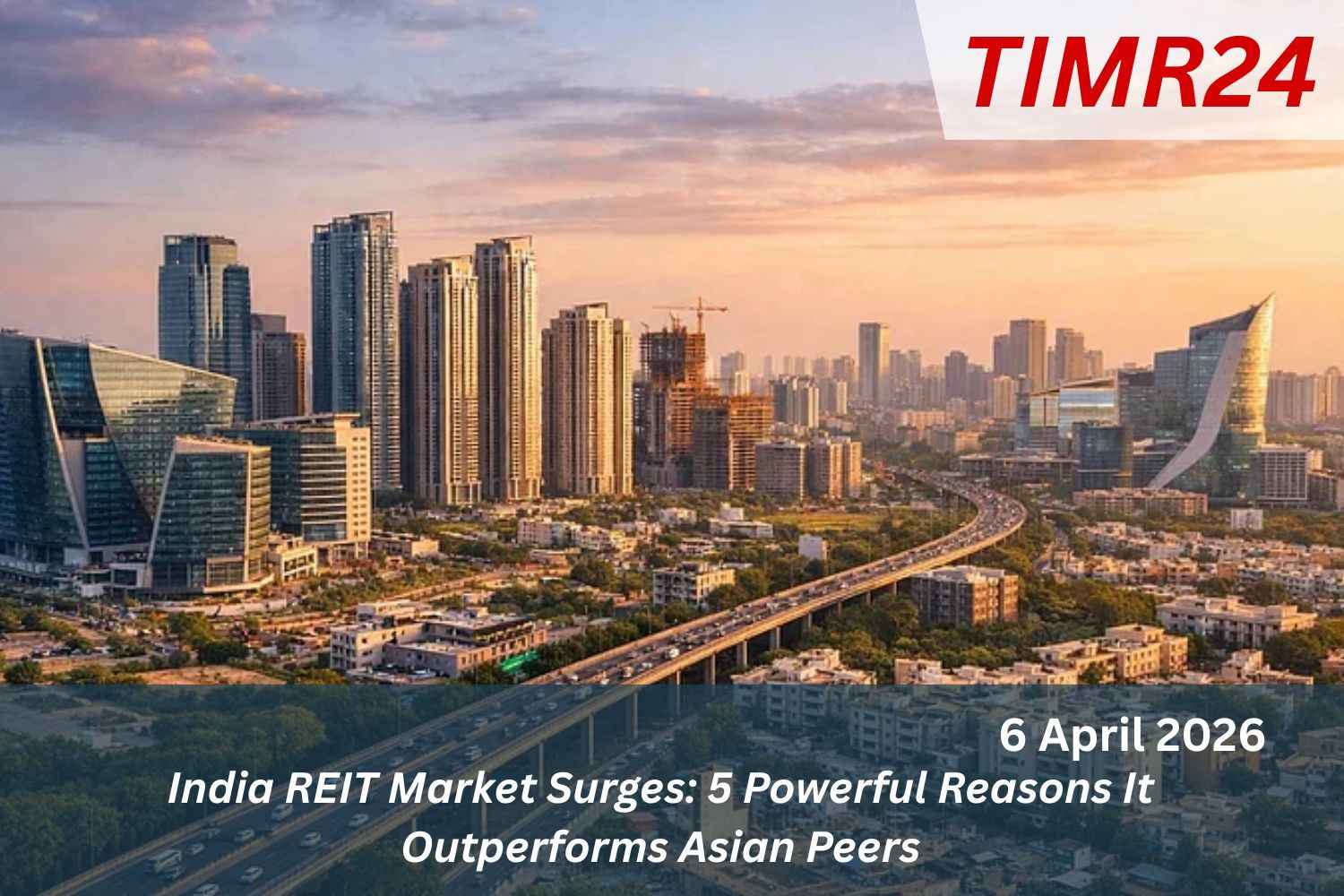









India’s commercial real estate market, particularly in Hyderabad, remains resilient despite global uncertainties caused by tariffs, according to an industry event organized by iKeva. The event, which brought together thought leaders in the sector, highlighted Hyderabad’s emerging status as a leading destination for Global Capability Centres (GCCs) due to its skilled workforce, advanced infrastructure, and favourable government policies. The panellists also forecasted consolidation through mergers and acquisitions over the next three to five years, with 356 GCCs representing 18% of India’s total. The event concluded on an optimistic note, reaffirming Hyderabad’s position as an innovation-driven and investment-friendly.
Destination for commercial real estate The recent wave of United States tariff impositions on multiple Asian economies, including India, has created a buzz across global markets. These trade policies, largely targeting manufacturing and exports, were initially feared to spill over into India’s broader economic environment. However, a closer look reveals that the Indian commercial real estate sector remains impressively resilient, with only limited indirect effects from the new tariff regime. Unlike export-dependent industries such as textiles, automobiles, and electronics, India’s commercial realty growth drivers stem from domestic demand, global capability centres.
(GCCs), IT expansion, and infrastructure investment rather than from direct trade exposure (Construction) While the tariffs have certainly disrupted global supply chains, India’s commercial property segment is primarily driven by local business expansion, hybrid workspaces, and digital transformation. According to market studies, nearly 80% of India’s office leasing in FY 2024–25 came from domestic and Asia-based firms, particularly in tech, banking, and e-commerce. This demand is unaffected by US trade restrictions, providing a protective buffer to the sector Cities like Bengaluru, Hyderabad, and Pune are recording strong pre-lease commitments from multinational.
Indirect Ripple Effects on Input Costs
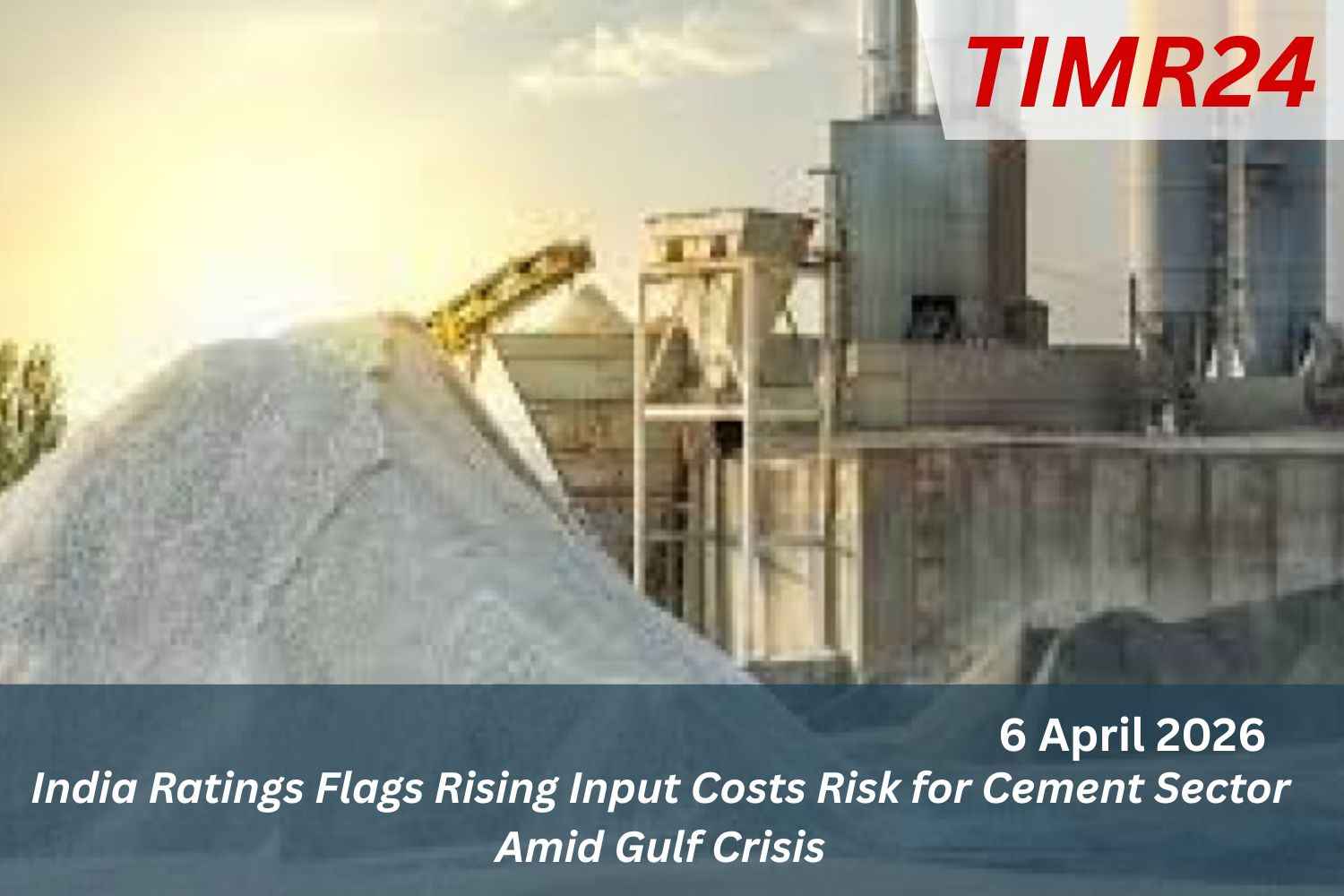
Companies setting up or expanding Global Capability Centres (GCCs). These firms see India not as a tariff-affected export base but as a strategic services hub, ensuring stable demand for high-grade commercial spaces. This resilience positions India as a global alternative to other manufacturing-focused economies more vulnerable to trade friction Though the direct effect of US tariffs on Indian commercial real estate is minimal, the indirect impact cannot be ignored. Developers importing specialized construction materials, HVAC systems, or elevators may experience cost escalation due to global supply disruption. This inflationary trend has led developers to reassess sourcing models and adopt.
“Atmanirbhar Bharat” strategies, emphasizing domestic procurement and sustainable materials However, this also presents a silver lining. With India’s industrial and logistics sectors expanding rapidly, local suppliers of building materials, prefabricated components, and smart systems are gaining prominence. As a result, even though global input costs have inched upward, the domestic ecosystem is becoming more self-reliant and cost-efficient in the medium The GCC boom is perhaps the strongest shield against external economic shocks. As global corporations seek operational resilience, they are shifting knowledge processes, R&D, and tech services to India.
Cities like Hyderabad, Chennai, and Gurugram are witnessing a surge in leasing for Grade-A office spaces designed for multinational tech and finance firms This shift has helped India’s commercial realty absorb global uncertainty, transforming potential threats into new growth avenues. GCC-driven leasing accounted for nearly 40% of total commercial transactions in FY 2025, according to property consultancy data. Even if the US economy faces trade-related turbulence, American companies are unlikely to cut their Indian back-office presence, as India offers cost efficiency and stable talent.
Investor Confidence and Capital Inflows
Foreign institutional investors (FIIs) and sovereign wealth funds continue to bet on India’s long-term urban growth story. Despite tariff uncertainty, investment in commercial real estate assets, REITs, and logistics parks remains robust. Global funds from Singapore, the Middle East, and Canada are taking advantage of India’s high yields and transparent regulatory framework post-RERA Analysts note that India’s commercial yield spread (7–9%) remains one of the highest in Asia, ensuring a steady influx of capital even during trade fluctuations. The low correlation between India’s office demand and global trade adds another layer of protection, explaining why tariffs have not dampened investor sentiment.
The tariff escalation has, paradoxically, enhanced India’s attractiveness in the global supply-chain relocation movement. As multinational manufacturers diversify away from (Global Properties) China, India’s industrial corridors and logistics hubs are witnessing unprecedented demand. This shift benefits industrial and warehousing real estate, which forms an essential subset of the commercial property landscape.