









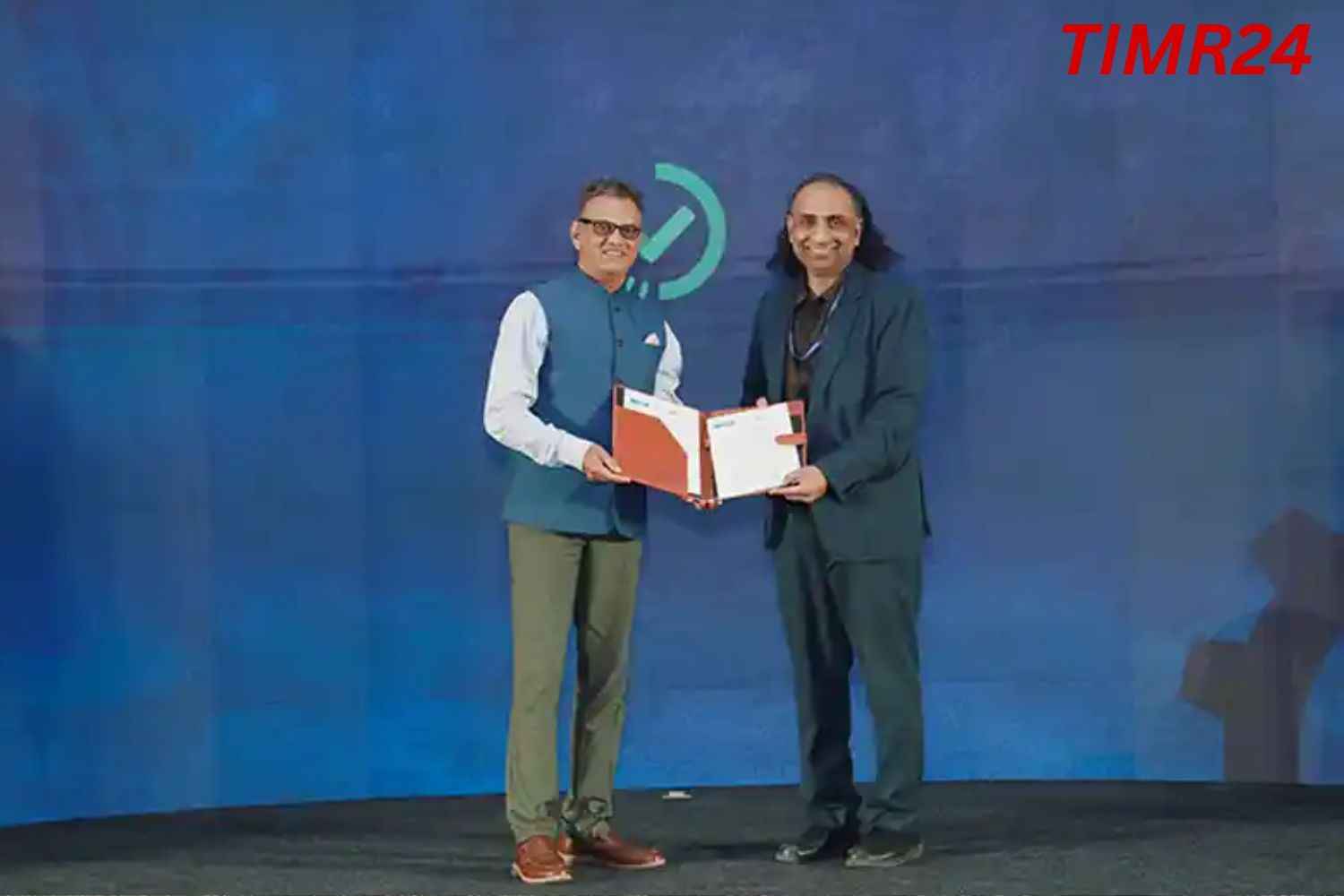




TuTr Hyperloop Private Limited has partnered with BEML to develop hyperloop systems, a next-generation transport technology capable of moving people and goods at speeds comparable to air travel. BEML will serve as the principal manufacturing partner to build prototype pods for high-velocity travel, demonstrating the commercial viability of hyperloop systems in India. The partnership aligns with the goals of Viksit Bharat 2047 and Atmanirbhar Bharat by supporting transport systems built with Indian engineering and manufacturing. India is making significant strides in futuristic transportation as Tutor Hyperloop and Bharat Earth Movers Limited (BEML) officially collaborate to develop indigenous Hyperloop technology. The partnership, a major milestone in India’s mobility sector, aims to transform high-speed, low-emission transport with localized innovation and manufacturing.
Partnership Overview
The collaboration between (TuTr Hyperloop) is focused on developing scalable, efficient, and economically viable Hyperloop systems. The partnership will explore co-development of the pod, propulsion systems, and tube infrastructure — all tailored to Indian geography and affordability. BEML’s engineering capabilities and manufacturing facilities will be instrumental in scaling up the prototypes developed by TuTr. The development aligns with India’s National Electric Mobility Mission Plan (NEMMP) and urban mobility frameworks like Smart Cities Mission. Future Hyperloop corridors could connect cities under the Delhi-Mumbai Industrial Corridor and emerging tech clusters like Bengaluru-Hyderabad.
Hyperloop Technology: The Future of Transportation
Hyperloop, a high-speed transportation system where pressurized pods move through near-vacuum tubes using magnetic levitation, promises to revolutionize intercity travel. TuTr Hyperloop’s vision is aligned with global advancements and is supported by Indian government initiatives like PM GatiShakti and Make in India, both promoting infrastructure and technological self-reliance. The TuTr-BEML partnership is expected to align with the National Rail Plan and complement major connectivity projects such as the (Bullet Train), adding diversity to India’s high-speed transport options.
Infrastructure and Economic Impact
According to TuTr, Hyperloop infrastructure can reduce travel time between metro cities by over 80%, unlocking economic zones, boosting tourism, and enhancing logistics. With BEML’s backing, the partnership may scale into manufacturing Hyperloop tubes, pods, and stations locally supporting MSMEs, start-ups, and engineering hubs in India. This aligns with India’s broader efforts to strengthen domestic industry through projects and the expansion of industrial corridors. TuTr’s journey began with academic backing from IIT Madras, a hub for research in mobility solutions. BEML, with its expertise in defence and metro rolling stock, brings credibility to prototype-to-commercial rollout efforts. Together, they’re expected to attract interest from CSIR, ISRO, and even the private sector under India’s Public-Private Partnership (PPP) model.
TuTr and BEML’s project may soon receive evaluation under the GatiShakti framework, potentially making it eligible for special land allocation, fast-tracked approvals, and viability gap funding. The move also aligns with India’s recent evaluation of ₹13.59 lakh crore worth of infra projects under GatiShakti, as discussed in our. Initial Hyperloop routes being studied include Chennai–Bengaluru, Mumbai–Pune, and Delhi–Jaipur, targeting urban corridors with high traffic and poor last-mile connectivity. According to TuTr, these routes could cut travel time from 6 hours to under 30 minutes. Potential integration with metro stations, railway terminals, and multi-modal logistics parks under.
q1. What is the goal of the TuTr Hyperloop and BEML partnership?
The collaboration aims to jointly develop and manufacture India’s first indigenously built Hyperloop transportation system.
q2. What role will BEML play in the Hyperloop project?
BEML will contribute its expertise in heavy engineering, manufacturing, and defence-grade transport systems to build Hyperloop components at scale.
q3. Where will the Hyperloop technology be tested?
TuTr is setting up a 50-meter test track at IIT Madras, with plans for a larger 10-km prototype corridor in the next phase.
q4. How is this project aligned with India’s infrastructure plans?
The initiative supports the PM GatiShakti Master Plan, promoting advanced, sustainable, and high-speed mobility systems.
q5. When can we expect Hyperloop to become operational in India?
If pilot testing and regulatory approvals go as planned, commercial trials could begin within the next 5 to 7 years.