


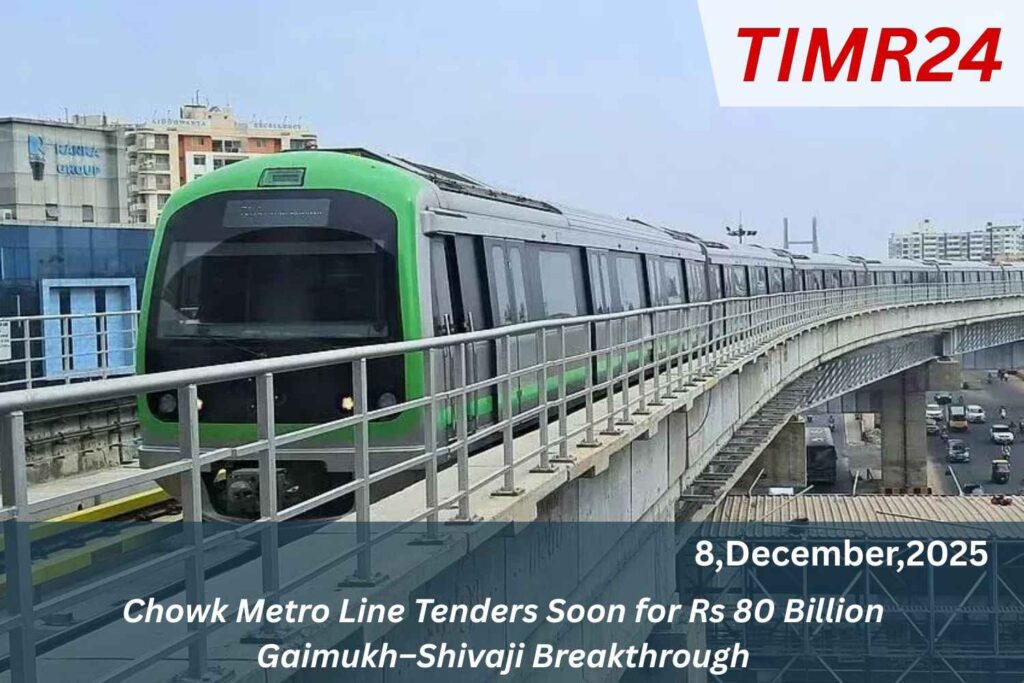
The tender process for Mumbai Metro’s Line 10, connecting Gaimukh in Thane to Shivaji Chowk in Mira-Bhayander, will commence by 15 December, as announced by Transport Minister Pratap Sarnaik. This Rs 80 billion, 9.7-km fully elevated corridor aims to improve connectivity and reduce congestion in a heavily trafficked area, serving an estimated 450,000 daily commuters by 2031. (India) Key routes include Gaimukh Retibunder, Chena Gaon, Varsova Gaon, Kashimira, and Miragaon, with interchange facilities at Gaimukh and Miragaon for better integration with the metro network. A dedicated depot is also planned at Mogharpada to support operations.
The announcement that tenders worth Rs 80 billion will soon be issued for the Gaimukh–Shivaji Chowk Metro Line has created a strong sense of anticipation among commuters and infrastructure developers in Maharashtra. This upcoming corridor is one of the most important transit expansions planned for Thane, a city that has grown rapidly over the last decade and continues to face significant pressure on its road network. With long traffic jams along Ghodbunder Road and frequent delays during peak hours, the new metro link is expected to bring relief by offering a reliable, high-capacity alternative. As transport agencies prepare to invite bids, the project is entering.
Connecting Residential Clusters
A crucial stage where design plans, construction timelines, contractor participation and funding mechanisms will define the next phase of urban connectivity The Gaimukh–Shivaji Chowk Metro Line is an extension that will strengthen the transport backbone of Thane by connecting residential clusters such as Waghbil, Anand Nagar, Kasarvadavali and new urban pockets that have emerged along the Ghodbunder belt. Many of these areas are heavily populated and depend on road-based public transport, which has become insufficient for the rising population. With the metro project now receiving momentum, local commuters are hopeful that the metro will finally bring speed.
Affordability and predictable travel times. The Mumbai Metropolitan Region Development Authority (MMRDA), the primary implementation agency, has emphasized that this new link is aligned with long-term mobility plans outlined by the state Along with easing congestion, the corridor is expected to generate new opportunities for real estate, retail, mixed-use developments and business investments across Thane. As improved mobility becomes available, areas once considered distant from business centers may see economic revitalization. Real estate analysts have already pointed out that Ghodbunder Road has the potential to transform into a major commercial.
Several Government Backed Initiatives
Zone once the metro becomes operational. At the same time, the project is closely aligned with nationwide efforts to modernize public transport systems under expansions as part of sustainable urbanization efforts. The push for mass rapid transit is also seen in several government-backed initiatives that promote green mobility and reduction of vehicular pollution The tendering process is expected (Railways) to include multiple packages covering elevated viaduct construction, station works, electrical systems, signaling equipment, track laying, depot development and integration with existing metro lines. Infrastructure developers across India are closely monitoring the timeline.
As participation in such large-scale tenders opens the door for long-term partnerships in metro rail construction. Several industry analysts believe that this metro extension will attract leading engineering firms that have previously worked on major Indian rail and metro corridors. In addition bidding opportunities and regulatory updates associated with large infrastructure projects One of the most important aspects of the Gaimukh–Shivaji Chowk Metro Line is its integration with other metro lines in the region, ensuring seamless travel across multiple corridors without requiring long road transfers. As the network expands, commuters from Thane will be able to.
Travel Delays Additionally, Improved Metro
Connect with Mumbai’s western, central and eastern routes much more efficiently. This increased connectivity will allow workplaces, schools and commercial centers to become more accessible, reducing the economic loss associated with long travel delays. Additionally, improved metro connectivity plays a key role in meeting long-term urbanization goals by offering eco-friendly travel and reducing dependency on private vehicles. To further explore urban transit strategies and transport planning The metro line is also expected to support thousands of daily passengers who travel between residential zones and commercial hubs like Thane, Borivali, Mira Road and Mulund.
By reducing road pressure, the project contributes to cleaner air and enhanced safety for pedestrians and cyclists. Many studies highlight that metro systems bring positive social benefits by creating accessible public spaces and reducing the unpredictability of road traffic. Internally, readers interested in broader infrastructure growth where similar corridor updates and government-backed mobility initiatives are documented for reference Financially, the Rs 80 billion investment highlights the state’s commitment to strengthening metropolitan mobility. This funding will cover civil engineering tasks, procurement of rolling stock, deployment of advanced signaling system.
India Infrastructure A Trusted Resource
Design of modernized stations and operational requirements for long-term sustainability. With the tendering stage approaching, authorities are ensuring compliance with national-level metro guidelines, procurement norms and environmental clearances. For further details related to infrastructure funding, EPC models and construction standards, India Infrastructure a trusted resource for industry analysis and detailed reports As Maharashtra moves toward a more connected future, the Gaimukh–Shivaji Chowk Metro Line is expected to become one of the anchor projects shaping the next phase of urban mobility.
With active cooperation between government agencies, planners, engineers, developers and local communities, the project is poised to deliver long-term advantages in terms of economic development, regional integration and urban sustainability. The soon-to-be-released tender packages will mark the beginning of a significant shift in how Thane and adjoining regions commute daily.
Q1. What is the cost of the Gaimukh–Shivaji Chowk Metro Line?
It is estimated at Rs 80 billion for full development.
Q2. When will tenders be issued?
Tender invitations are expected very soon, covering civil, system & station works.
Q3. Which areas will the metro line connect?
It will link Gaimukh, Ghodbunder Road, Kasarvadavali, Anand Nagar, Waghbil, and Shivaji Chowk.
Q4. What benefits will commuters get?
Faster travel, reduced congestion, better last-mile connectivity, and improved urban mobility.
Q5. When will construction begin?
Work is expected to start soon after tender finalization.