










Earlier this month, the Gujarat government unveiled the Integrated Renewable Energy Policy–2025, led by Chief Minister Bhupendra Patel. This policy consolidates solar, wind, hybrid, and emerging clean energy technologies under a unified framework, supporting Gujarat’s goal of installing over 100 GW of renewable capacity by 2030 and aligning with India’s broader climate commitments. It emphasizes ease of doing business, grid stability, and investment certainty, featuring flexible commissioning timelines and robust energy storage initiatives. The state promotes Battery Energy Storage Systems (BESS) and introduces new frameworks for wind turbine repowering.
Digital Electricity Demand Planning
While encouraging pilot projects in emerging technologies. Gujarat has also surpassed five lakh rooftop solar installations, achieving 50% of its residential target early, backed by significant subsidies. The digital electricity demand planning platform, Urja Sanvardhanam, is set to enhance grid preparedness and facilitate the clean energy transition The state government has significantly accelerated its renewable energy capacity expansion as part of a broader strategy to align with India’s national climate goals and long-term sustainability commitments. This push reflects growing recognition that clean energy development is no longer optional but essential for.
Economic resilience, environmental protection, and energy security. With rising electricity demand, urbanization, and industrial growth, the state’s focus on renewables marks a decisive shift away from fossil fuel dependence toward a low-carbon future India’s national climate agenda, including its commitments under the Paris Agreement and its net-zero target by 2070, provides the overarching framework guiding state-level energy planning. In response, the state has introduced ambitious targets for solar, wind, hybrid, and energy storage projects. These initiatives are being integrated into power procurement plans, land-use policies, and grid modernization efforts.
State’s Renewable Expansion Strategy
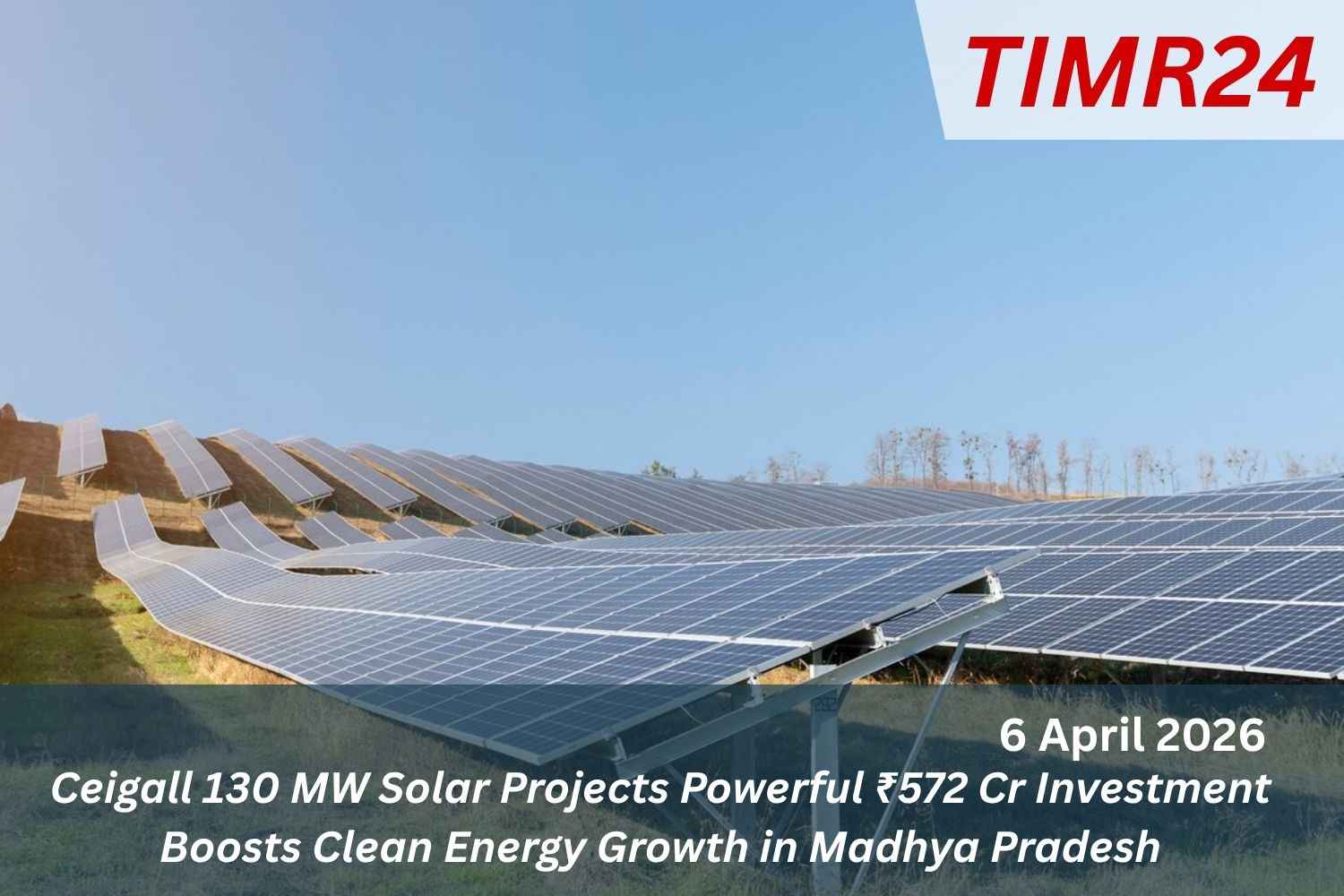
By aligning its renewable roadmap with central government objectives, the state aims to contribute meaningfully to India’s clean energy transition while ensuring affordable power for consumers Solar energy remains the cornerstone of the state’s renewable expansion strategy due to its scalability and declining costs. Large-scale solar parks, rooftop solar programs, and decentralized solar installations are being rolled out across urban and rural areas alike. Government buildings, educational institutions, and industrial estates are increasingly being mandated or incentivized to adopt rooftop solar systems. These initiatives not only reduce grid dependency but also help consumers lower electricity bills.
In parallel, the state is strengthening net metering frameworks to encourage households and businesses to feed surplus power back into the grid, further enhancing energy efficiency and grid stability Wind energy development is also gaining momentum, particularly in regions with favorable wind corridors. The state has streamlined land acquisition processes and upgraded evacuation infrastructure to support new wind projects. Hybrid projects combining wind and solar are being encouraged to ensure more consistent power generation throughout the day and across seasons. This hybrid approach reduces intermittency risks and improves overall capacity utilization.
Clean Energy Equires Grid Flexibility
Making renewable power more reliable for distribution companies and large industrial consumers Energy storage is emerging as a critical component of the state’s renewable roadmap. Recognizing that large-scale adoption of clean energy requires grid flexibility, the government is promoting battery energy storage systems and pumped hydro projects. Policy incentives, viability gap funding, and pilot projects are being introduced to attract private investment in storage solutions. These systems will play a key role in balancing supply and demand, particularly during peak consumption hours, and will support the integration of higher renewable shares into the grid.
Related analysis on grid modernization can be found through our internal article on Power Grid Infrastructure Developments From an economic perspective, scaling up renewable energy is generating substantial employment and investment opportunities across the state. (India) Manufacturing of solar modules, inverters, wind turbines, and balance-of-plant equipment is being encouraged through industrial policies and dedicated renewable energy zones. This localization of the supply chain aligns with India’s broader “Make in India” initiative and reduces reliance on imports. Additionally, renewable energy projects are creating jobs in construction, operations, maintenance, and research.
Water Consumption Compared To Conventional
Contributing to inclusive and sustainable economic growth Environmental benefits form a central rationale behind the state’s clean energy push. Increased renewable capacity is expected to significantly reduce greenhouse gas emissions, improve air quality, and lower water consumption compared to conventional thermal power plants. These environmental gains have direct public health benefits, particularly in urban and industrial regions affected by pollution. The transition also supports climate resilience by reducing exposure to fossil fuel price volatility and mitigating climate-related risks Policy reforms are playing a crucial role in enabling this transformation.
The state has revised its renewable energy policy to offer long-term clarity on tariffs, open access, banking provisions, and transmission charges. Single-window clearance systems are being strengthened to fast-track project approvals and reduce administrative bottlenecks. These measures are improving investor confidence and attracting both domestic and international renewable energy developers. The state is also collaborating closely with central agencies to access funding, technical expertise, and best practices Challenges, however, remain part of the transition journey. Land availability, grid congestion, financing constraints, and variability in renewable generation continue to pose hurdles.
Renewable Generators Thereby Maintaining
To address these issues, the state is investing in advanced forecasting tools, smart grid technologies, and regional coordination mechanisms. Distribution companies are being supported through financial reforms to ensure timely payments to renewable generators, thereby maintaining sectoral stability the state’s renewable energy scale-up is expected to accelerate further over the next decade (Solar) Emerging technologies such as green hydrogen, offshore wind, and floating solar are being explored as part of future planning. By fostering innovation, encouraging public-private partnerships, and maintaining policy consistency, the state aims to position itself as a leader in India’s energy transition.
Q1. Why is the state expanding renewable energy capacity?
To align with national climate goals, reduce emissions, and ensure long-term energy security.
Q2. Which renewable sources are being prioritized?
Solar, wind, hybrid projects, and energy storage systems.
Q3. How does this benefit consumers?
It helps lower power costs, improves reliability, and reduces pollution.
Q4. What role does energy storage play?
Storage ensures grid stability and manages renewable power intermittency.
Q5. How does this support India’s climate commitments?
It directly contributes to emission reduction and clean energy targets.