



















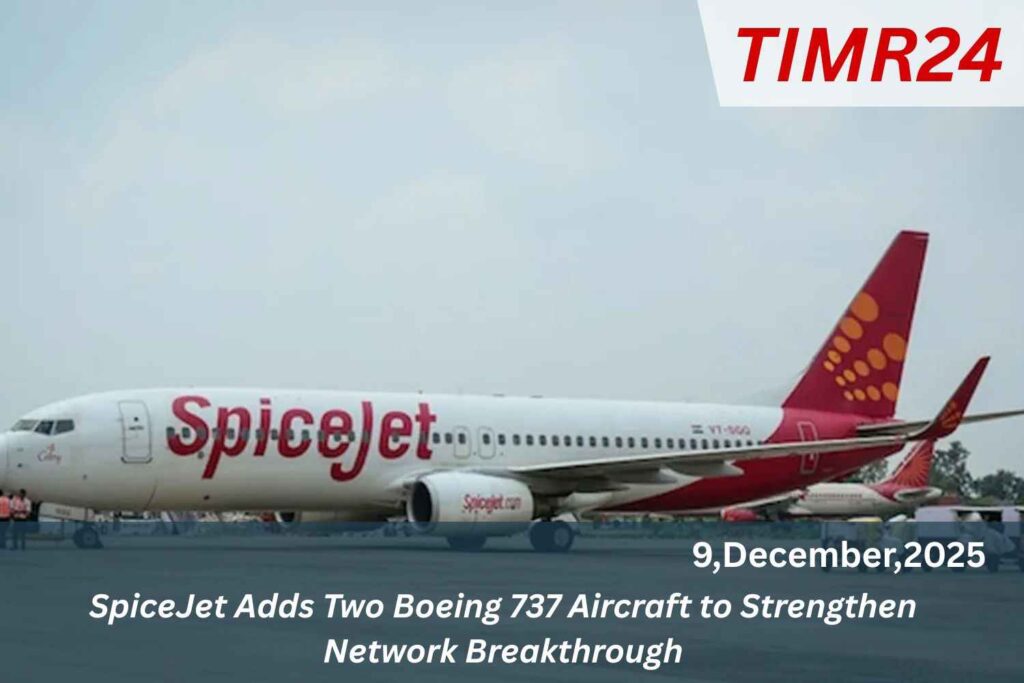
SpiceJet has enhanced its fleet by adding two Boeing 737 aircraft, which commenced commercial service on 26 and 29 November. These aircraft will operate on routes including Delhi–Bangkok, Ahmedabad–Dubai, and Ahmedabad–Kolkata. The expansion aims to improve connectivity and meet increasing passenger demand, offering greater travel options during peak times. Debojo Maharshi, Chief Business Officer, emphasized that this capacity growth aligns with the airline’s commitment to building a robust and resilient network while ensuring reliable and affordable air travel SpiceJet’s latest announcement about adding two brand-new Boeing 737 aircraft.
Maintaining Efficiency And Reliability
Comes at a crucial time for India’s fast-evolving aviation ecosystem. As air travel demand continues to rise sharply across both domestic and international markets, airlines are under pressure to strengthen their operational capacity while maintaining efficiency and reliability. The introduction of these modern Boeing 737s marks a significant step in SpiceJet’s journey toward rebuilding network strength, improving passenger experience, and enhancing its fleet stability. This expansion also resonates well with the broader growth trends seen in the Indian aviation sector, which has consistently recorded high passenger traffic in recent years, supported by improving.
The addition of the two Boeing 737 aircraft is expected to enhance SpiceJet’s capabilities on high-density routes where efficiency and turnaround times are critical. With these aircraft, the airline can schedule more frequent flights on popular routes while also opening up space (India) for new connectivity options. These Boeing 737s are known for fuel efficiency, operational reliability, and optimized seating layouts that ensure better travel comfort and cost management. When aircraft like these get deployed into an airline’s fleet, the impact is seen not just in route expansion but also in improved on-time performance and reduced operational disruptions.
SpiceJet Aims Regain Operational Stability
SpiceJet has always relied significantly on the Boeing 737 family, and this latest addition reinforces its strong partnership with Boeing In the context of India’s competitive aviation market, strengthening fleet capability remains essential. SpiceJet aims to regain operational stability, and this move directly supports its long-term goals. As competition intensifies among major carriers, including IndiGo, Air India, and Akasa Air, the demand for improved services and higher flight frequencies grows stronger. SpiceJet’s new Boeing aircraft will help the airline increase seat capacity and efficiently distribute resources across key regional hubs. With more airlines looking to.
The timing of this fleet expansion aligns with India’s peak travel seasons, business travel rebounds, and tourism growth. With airports across the country witnessing increased load factors, airlines cannot afford operational delays caused by aircraft shortages or technical issues. By adding these new 737s, SpiceJet ensures extra capacity to support consistent performance even during periods of high demand. Additionally, the airline may strategically allocate these aircraft to metro-to-metro routes where demand remains strong and stable. Investors, analysts, and aviation experts often rely on regulatory inputs from institutions.
Operational Systems, Pilot Training
Passenger expectations today go beyond basic connectivity; they seek reliability, comfort, and affordability. The Boeing 737 series continues to stand out in balancing these factors, and SpiceJet’s reliance on this aircraft type strengthens its ability to offer consistent service. Moreover, the new aircraft integrate well with the airline’s operational systems, pilot training programs, and maintenance facilities, allowing for smoother incorporation into the fleet without major logistical restructuring This expansion also signals SpiceJet’s intention to compete more aggressively in the domestic market while preparing for potential international expansions in the near future.
Fleet additions of this scale often translate into better schedule planning, increased flight frequencies, and stronger route networks all critical components for an airline working toward long-term financial health. Passengers flying to major cities such as Mumbai, Delhi, Bengaluru, Hyderabad, and Kolkata are likely to witness improved availability during peak hours, which has been a pain point for frequent travelers Ultimately, the induction of two Boeing 737 aircraft is more than an operational update it’s a strategic move signaling growth ambition, network strengthening, and renewed competitiveness.
Aviation Industry Continues To Recover
It enhances SpiceJet’s ability to meet rising demand while ensuring smoother operations across busy sectors. As the aviation industry continues to recover and expand, (India) such developments contribute significantly to maintaining a robust and reliable air travel ecosystem in India. SpiceJet’s decision underscores confidence in future market prospects, making these aircraft a valuable addition to its fleet and an important milestone in its ongoing transformation journey.
Q1. Why did SpiceJet add two new Boeing 737 aircraft?
To expand its network, increase capacity, and improve flight frequency on key routes.
Q2. Which routes will the new Boeing 737 aircraft serve?
They will be deployed on high-demand domestic and select international routes.
Q3. How will these aircraft benefit passengers?
Passengers get better connectivity, more flight options, and improved on-time performance.
Q4. What type of aircraft has SpiceJet added?
Two next-generation Boeing 737 aircraft known for reliability and fuel efficiency.
Q5. How does this expansion strengthen SpiceJet’s operations?
It boosts fleet stability, supports growth strategy, and enhances overall route efficiency.