


















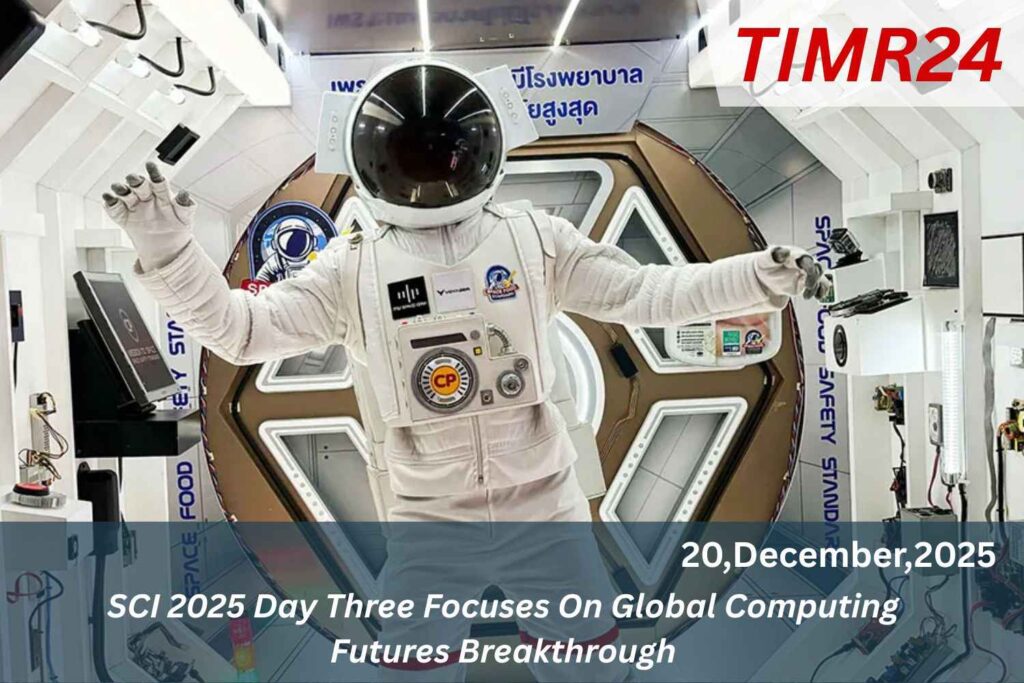
The third day of the Supercomputing India Conference (SCI) 2025 focused on the evolution of computing technologies, emphasizing global collaboration in high-performance computing (HPC), artificial intelligence (AI), and quantum systems. Highlights included a plenary on memory sharing in heterogeneous systems by Dr. Peter Hofstee and keynotes from Dr. Rossen Apostolov and Subramani Kengeri on global partnerships and AI-led solutions. Workshops covered diverse topics from HPC workload orchestration to generative AI architecture. Notable events included a quantum engineering keynote by Vishal Chatrath, a Women in Technology.
Fostering Collaboration Among
Track, and a RISC-V workshop. The Tech Expo attracted over 5,000 visitors, featuring sessions on quantum computing and panel discussions on cybersecurity and exascale storage. The day concluded with industry interactions aimed at fostering collaboration among technology leaders SCI 2025 Day Three unfolded as a defining moment in the global technology calendar, placing the spotlight firmly on the future of computing and its role in shaping an interconnected world. As delegates gathered for the third day of discussions, the focus shifted from current innovations to long-term visions that will influence how nations, industries, and individuals interact.
With technology over the coming decades. The sessions reflected a growing consensus that computing is no longer just a technical discipline but a foundational pillar of economic development, sustainability, and global cooperation The day began with thought-provoking conversations around artificial intelligence as a unifying force in global computing. Speakers emphasized that AI systems are rapidly becoming embedded in critical sectors such as healthcare, finance, education, and public administration. The discussions highlighted how international collaboration is essential to ensure AI development remains inclusive and ethical. Several experts pointed to.
Researchers Outlining Recent
The need for shared governance models and cross-border research initiatives, reinforcing the idea that the future of AI cannot be shaped in isolation Quantum computing emerged as another central theme on SCI 2025 Day Three, with researchers outlining how recent breakthroughs could soon move from laboratories to real-world applications. Conversations revolved around the transformative potential of quantum systems in solving complex problems related to climate modeling, cryptography, and advanced materials. While acknowledging that large-scale adoption is still years away, speakers stressed the importance of preparing global infrastructure and talent.
Pipelines today. Institutions such as the IEEE and ACM, which actively support quantum research, were frequently referenced, Another major focus of the day was sustainable computing and the environmental responsibility of the tech sector. With data centers consuming increasing amounts of energy worldwide, SCI 2025 Day Three emphasized green computing strategies that balance performance with sustainability. Industry leaders discussed innovations in energy-efficient hardware, AI-optimized power management, and renewable energy integration. The narrative underscored that future computing success will be measured not only by speed and scale but also.
Low-Latency, High-Reliability Digital
By environmental impact This sustainability-driven approach aligns closely with global climate goals and reinforces discussions previously featured Global cloud and edge computing architectures also took center stage, reflecting the growing demand for low-latency, high-reliability digital services. Speakers highlighted how distributed computing models are enabling smarter cities, autonomous transportation, and real-time healthcare monitoring. The conversations made it clear that as data generation increases, future computing systems must evolve to process information closer to its source. This shift, participants noted, will require new regulatory frameworks and international agreements to manage.
Data flows securely and transparently across borders Cybersecurity and digital trust were inseparable from discussions about global computing futures. On Day Three, experts warned that as systems become more interconnected, vulnerabilities could scale just as rapidly as capabilities. The emphasis was placed on proactive security design, global threat intelligence sharing, and the adoption of zero-trust architectures standards that support resilient digital ecosystems. These discussions reinforced the idea that trust is the currency of the digital age, and without it, technological progress could stall A notable highlight of SCI 2025 Day Three was the emphasis.
Reskilling Programs, And InterDisciplinary
On human-centered computing and skills development. Speakers consistently returned to the idea that technology must empower people rather than replace them. Discussions covered the need for inclusive education systems, reskilling programs, and interdisciplinary learning that bridges computing with social sciences. The future workforce, participants agreed, must be equipped not only (India) with technical expertise but also with ethical awareness and global perspectives. This human-first approach aligns with insights shared in digital skills International collaboration emerged as the underlying thread connecting all discussions on the third day.
From shared research labs to cross-border startup ecosystems, SCI 2025 Day Three showcased how collective efforts are accelerating innovation. Policymakers highlighted the importance of harmonizing regulations to prevent fragmentation of the global digital economy. At the same time, industry leaders emphasized open innovation models that allow ideas to flow freely across regions. These collaborative strategies, they argued, are essential for addressing global challenges that no single nation can solve alone As SCI 2025 Day Three concluded, the overarching message was one of responsibility and opportunity. The future of global computing is filled with.
Communicate Learn And Solve Problems
Transformative potential, but realizing it will require thoughtful leadership, inclusive policies, and sustained cooperation. The conversations reinforced that computing technologies are shaping not just markets but societies, influencing how people communicate, learn, and solve problems together SCI 2025 Day Three served as a powerful reminder that the future of computing is inherently global. By (Road) addressing technological, environmental, ethical, and human dimensions in a single forum, the summit highlighted a path forward that prioritizes shared progress over isolated advancement. As global computing continues to evolve, the ideas exchanged on this day will likely influence strategies.
Q1. What was the main theme of SCI 2025 Day Three?
The third day of SCI 2025 centered on the future of global computing, highlighting how emerging technologies such as artificial intelligence, quantum computing, and cloud ecosystems will reshape economies, governance, and daily life across continents.
Q2. Why is SCI 2025 considered a significant global event?
SCI 2025 brings together researchers, policymakers, and industry leaders from around the world, making it a vital platform for sharing ideas, forming partnerships, and setting the agenda for next-generation computing technologies.
Q3. Which technologies dominated discussions on Day Three?
Day Three discussions focused heavily on AI-driven systems, quantum breakthroughs, sustainable computing infrastructure, edge computing, and ethical frameworks guiding future digital growth.
Q4. How does SCI 2025 influence global technology policy?
Insights and collaborations emerging from SCI 2025 often inform international technology standards, research priorities, and policy frameworks, helping governments align innovation with societal needs.
Q5. Who benefits most from the outcomes of SCI 2025?
Technology professionals, startups, academic institutions, governments, and end users benefit from SCI 2025 as it accelerates innovation, encourages responsible computing, and promotes global collaboration.