



Rail Vikas Nigam Limited (RVNL), a Navratna PSU under the Ministry of Railways, has been awarded a significant metro project by the Delhi Metro Rail Corporation (DMRC) under the Delhi MRTS Phase IV. The project, valued at approximately ₹447.42 crore, aims to enhance sustainable, efficient, and seamless public transport in Delhi. The project includes the design and construction of a 7.298 km elevated viaduct and seven elevated station platforms. RVNL is committed to delivering the project with excellence, safety, and innovation, aligning with DMRC’s vision of creating world-class urban mobility systems.
In a major development for urban infrastructure, Rail Vikas Nigam Limited (RVNL) has bagged its first-ever project from the Delhi Metro Rail Corporation (DMRC). Valued at ₹447 crore, this contract marks RVNL’s formal entry into the capital’s metro construction ecosystem, signaling its growing footprint in India’s high-capacity urban transit space. The project is part of the ongoing expansion under Delhi Metro Phase IV, which aims to improve last-mile connectivity and reduce traffic congestion across the NCR. (RVNL)
Project Scope and Features
The ₹447 crore contract involves the construction of an elevated viaduct and five elevated stations from Sangam Vihar to Ambedkar Nagar on Line 10 (Silver Line), covering approximately 4.2 kilometres. The work includes architectural finishing, electrical & mechanical integration, and safety systems. The completion period for the project is set at 30 months from the date of commencement.
Strategic Importance for RVNL
This win is significant for RVNL, traditionally focused on railway infrastructure, as it diversifies into metro rail and urban rapid transit projects. The contract represents a strategic shift toward multi-modal urban mobility, aligning with the company’s goal of becoming a pan-India EPC powerhouse.
Phase IV Metro Expansion in Delhi
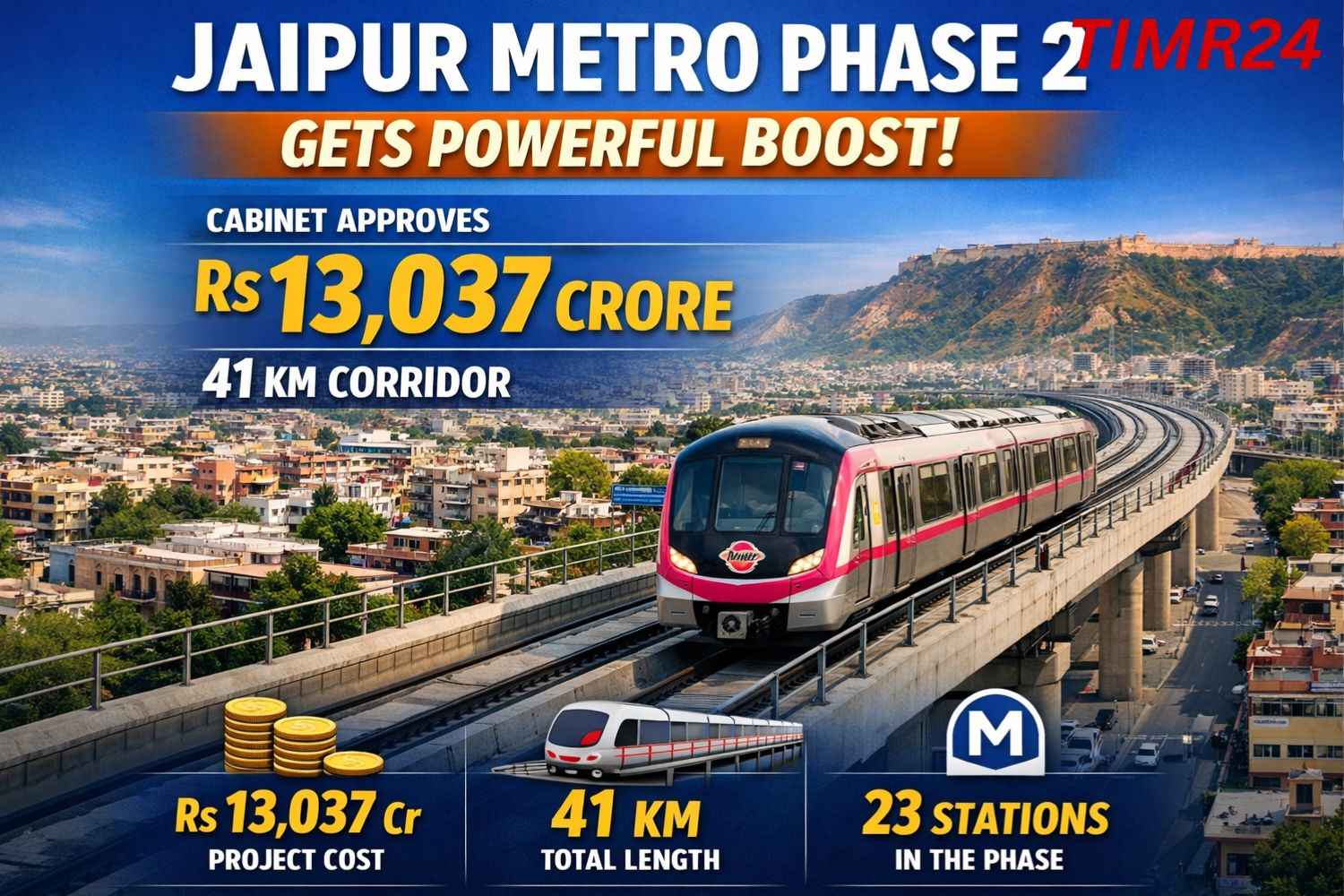
Delhi Metro’s Phase IV is a critical expansion project involving over 61 kilometres of new routes, including Silver, Magenta, and Janakpuri–RK Ashram lines. Once completed, the phase will serve more than 1.5 million daily commuters, easing congestion on existing corridors and improving air quality. (RVNL)
Boost to Urban Infrastructure
The contract win for RVNL also reflects the Government of India’s commitment to infrastructure development through Public Sector Enterprises (PSEs). The focus on mass rapid transit systems under the and schemes like PM Gati Shakti aims to streamline mobility, reduce emissions, and foster sustainable cities.
Financial & Execution Outlook
RVNL is expected to leverage its existing expertise in railways and integrate learnings into metro execution. The ₹447 crore contract adds to its robust order book, which includes high-value projects like semi-high-speed corridors, freight terminals, and station modernization. This move will likely strengthen its position in the competitive EPC metro market, currently dominated by firms like L&T, Afcons, and Tata Projects.
Conclusion
RVNL’s entry into Delhi Metro’s Phase IV through this ₹447 crore project is a strategic leap into urban rail systems, reinforcing its role as a key player in India’s infrastructure transformation. The project will not only strengthen Delhi’s metro network but also set the stage for RVNL’s broader role in city-centric transit infrastructure.
q1. What project has RVNL secured from DMRC?
RVNL has secured its first DMRC metro project, involving the construction of a 4.2 km elevated viaduct and five stations on the Silver Line (Sangam Vihar to Ambedkar Nagar).
q2. What is the value of the awarded project?
The total project value is approximately ₹447 crore.
q3. Which phase of Delhi Metro does this project belong to?
The project is part of Delhi Metro Phase IV, which aims to add over 61 km to the city’s metro network.
q4. Why is this project significant for RVNL?
It marks entry into Delhi’s metro infrastructure, expanding beyond its core railway projects.
q5. What is the project timeline for completion?
The construction is scheduled to be completed in 30 months from the start date