













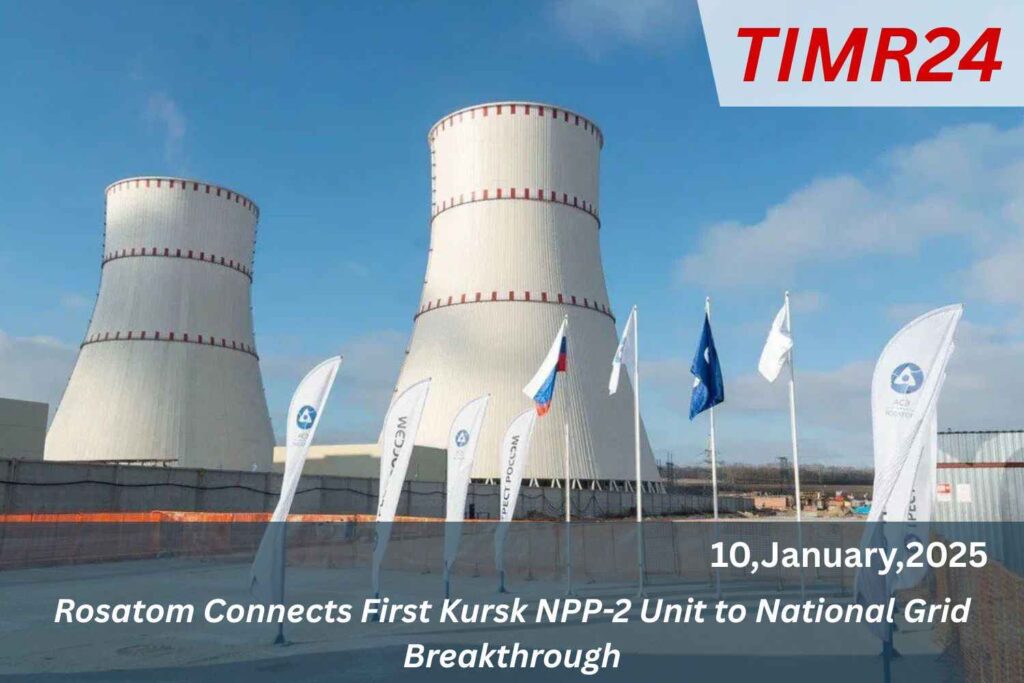
Rosatom has successfully connected the first power unit of the Kursk Nuclear Power Plant-2 (Kursk NPP-2) to Russia’s Unified Energy System, a significant milestone in the country’s nuclear energy program. With a capacity of 1,250 MW, it surpasses previous benchmarks from Leningrad NPP-2. The VVER-TOI reactor design prioritizes safety and performance, and the unit will bolster nuclear power generation in the Kursk region by over 50%. Full capacity is projected for 2026, as extensive testing ensures compliance with contemporary safety standards. This development aligns with a strategic plan to build 38 power units by 2042 Rosatom’s successful connection of the first power.
Replacing Aging Nuclear Infrastructure
Unit of Kursk Nuclear Power Plant-2 (Kursk NPP-2) to Russia’s national electricity grid marks a significant milestone in the country’s long-term nuclear energy strategy and reinforces nuclear power’s role in providing stable, low-carbon electricity. The grid connection represents the transition from construction and testing to real-world power generation, confirming the readiness of the new-generation reactor to support Russia’s growing electricity demand while replacing aging nuclear infrastructure. Kursk NPP-2 has been designed as a modern replacement for the existing Kursk Nuclear Power Plant, ensuring continuity of power supply while meeting enhanced safety and efficiency standards.
The first unit at Kursk NPP-2 is equipped with a Generation III+ VVER-TOI reactor, one of Rosatom’s most advanced designs, emphasizing improved safety systems, higher efficiency, and longer operational life. The successful synchronization with the national grid confirms that all key systems, including turbine generators, safety mechanisms, and control technologies, have passed stringent operational checks. This milestone allows the unit to gradually increase power output during the commissioning phase, supplying electricity while engineers monitor performance under real operating conditions. Such grid connections are a critical step for any nuclear facility.
Russia’s Broader Energy Infrastructure
Symbolizing readiness to contribute to national energy security and reliability. Developments like these are increasingly relevant as future energy planning Kursk NPP-2 plays a strategic role in Russia’s broader energy infrastructure modernization. The original Kursk plant, which has been operational for decades, is gradually approaching the end of its design life. The new facility ensures uninterrupted power supply for the Central Federal District while significantly improving safety margins and reducing environmental impact. Nuclear energy remains a cornerstone of Russia’s low-carbon energy mix, offering.
Continuous baseload generation that complements renewable sources such as wind and solar. This balance is essential for grid stability, especially during periods of fluctuating renewable output, a topic further discussed in our analysis a technological perspective, the VVER-TOI reactor introduces enhanced passive safety systems capable of functioning without external power or human intervention in emergency scenarios. These systems are designed to meet post-Fukushima safety expectations and align with international nuclear safety guidelines set by organizations such as the International Atomic Energy Agency (IAEA).
Technological Leadership And Sets
The reactor’s design also incorporates improved fuel efficiency and digital control systems, allowing operators to optimize performance while maintaining strict safety oversight. By deploying such advanced reactors domestically, Rosatom strengthens its technological leadership and sets benchmarks for future nuclear projects worldwide The grid connection of Kursk NPP-2’s first unit also has broader economic and industrial implications. Large-scale nuclear projects generate employment across multiple sectors, from construction and engineering to long-term plant operations and maintenance. The commissioning phase alone involves thousands of specialists, fostering.
Regional economic development and skill advancement. Over its operational lifetime, the plant is expected to provide stable electricity prices, shielding consumers and industries from volatility in fossil fuel markets. These economic benefits reinforce nuclear energy’s role as a (India) strategic asset within national development plans Environmentally, the commissioning of Kursk NPP-2 supports Russia’s climate commitments by reducing reliance on carbon-intensive power sources. Nuclear energy produces near-zero greenhouse gas emissions during operation, making it a critical component of decarbonization strategies. As countries worldwide seek to meet.
Highlight Nuclear Energy’s Contribution
Climate targets while maintaining energy security, nuclear power’s ability to deliver large-scale, reliable, and low-carbon electricity is gaining renewed attention. International organizations like the World Nuclear Association continue to highlight nuclear energy’s contribution to sustainable development, particularly in industrialized and emerging economies On the international stage, Rosatom’s progress at Kursk NPP-2 enhances the company’s credibility as a global nuclear technology provider. Rosatom is actively involved in nuclear projects across Asia, the Middle East, Africa, and Europe, offering a full cycle of services from design and construction to fuel supply and decommissioning.
Demonstrating successful project execution at home strengthens confidence among international partners considering Russian reactor technology for their own energy transitions. This aligns with broader strategies that combine reliability with sustainability The connection of the first unit to the grid is not the final step but part of a phased commissioning process. The reactor will undergo gradual power ascension tests, followed by commercial operation approval once all regulatory requirements are met. Additional units at Kursk NPP-2 are under construction, further expanding capacity and reinforcing regional energy resilience.
Infrastructure And Climate Change
Each new unit adds to the stability of the national grid, reducing the risk of supply disruptions and supporting industrial growth In the context of global energy challenges, including rising electricity demand, aging infrastructure, and climate change, projects like Kursk NPP-2 highlight the continued relevance of nuclear power. While renewable energy sources are expanding rapidly, their intermittent nature necessitates dependable baseload generation. Nuclear plants provide this stability while minimizing environmental impact, making them a vital complement to renewable technologies. Russia’s investment in next-generation nuclear facilities reflects a long-term vision.
Focused on energy independence, technological leadership, and environmental responsibility Ultimately, Rosatom’s successful grid connection of the first Kursk NPP-2 unit underscores a convergence of engineering excellence, strategic planning, and sustainability goals. It demonstrates how modern nuclear power plants can safely and efficiently support national grids while (India) contributing to climate objectives and economic development. As the commissioning process advances and additional units come online, Kursk NPP-2 is poised to become a flagship example of next-generation nuclear energy in operation, reinforcing nuclear power’s role in the evolving global energy landscape.
Q1. What is Kursk NPP-2?
Kursk NPP-2 is a new nuclear power plant in Russia designed to replace the aging Kursk Nuclear Power Plant using advanced Generation III+ reactor technology.
Q2. Which reactor is used in the first unit?
The first unit uses the VVER-TOI reactor, featuring enhanced safety systems, higher efficiency, and extended operational life.
Q3. Why is grid connection important?
Grid connection confirms that the power unit is technically ready to supply electricity and marks a key milestone before full commercial operation.
Q4. How does Kursk NPP-2 support climate goals?
The plant generates low-carbon electricity, reducing greenhouse gas emissions and supporting long-term decarbonization strategies.
Q5. What is Rosatom’s role globally?
Rosatom is a leading global nuclear energy company involved in reactor construction, fuel supply, and nuclear services worldwide.