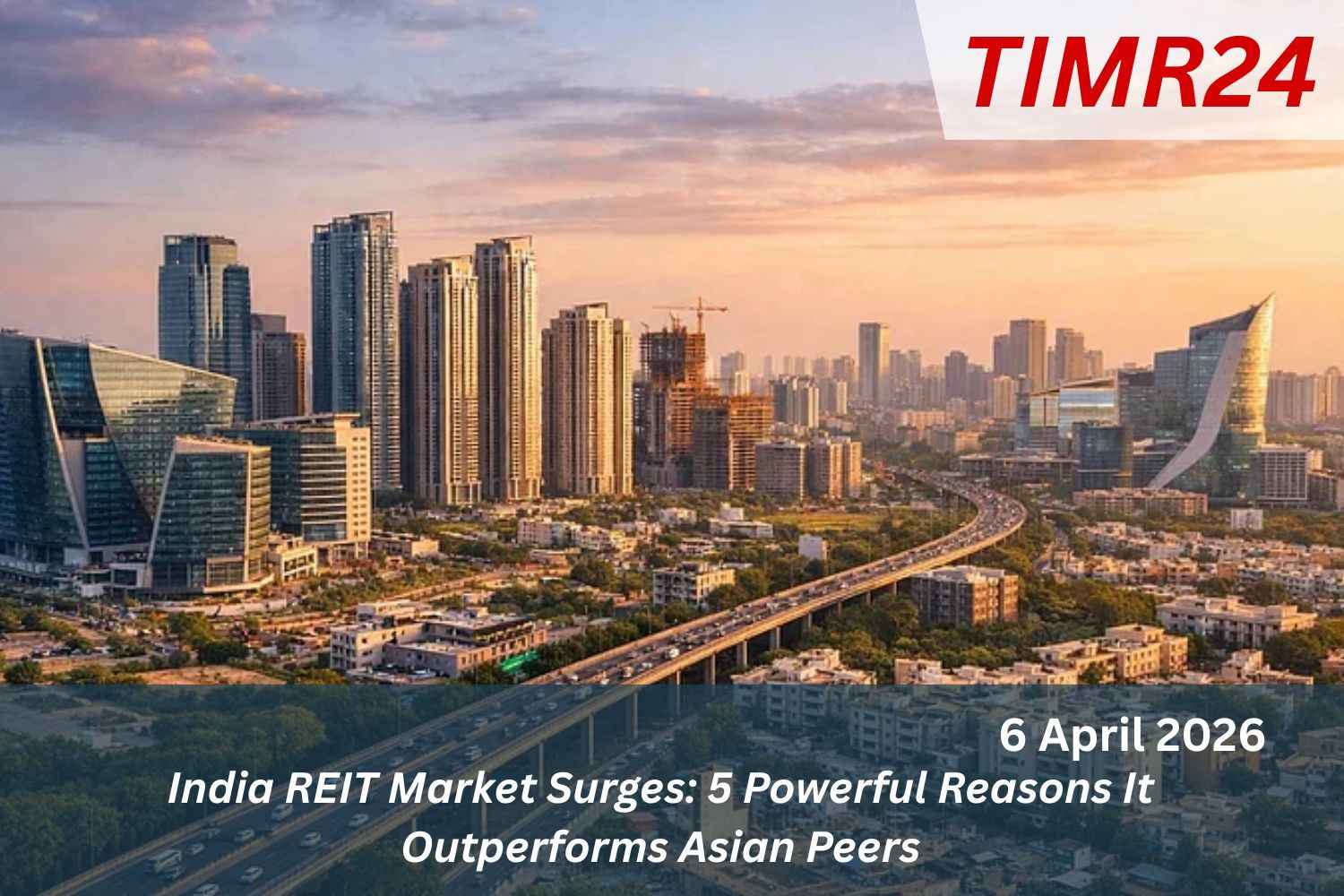





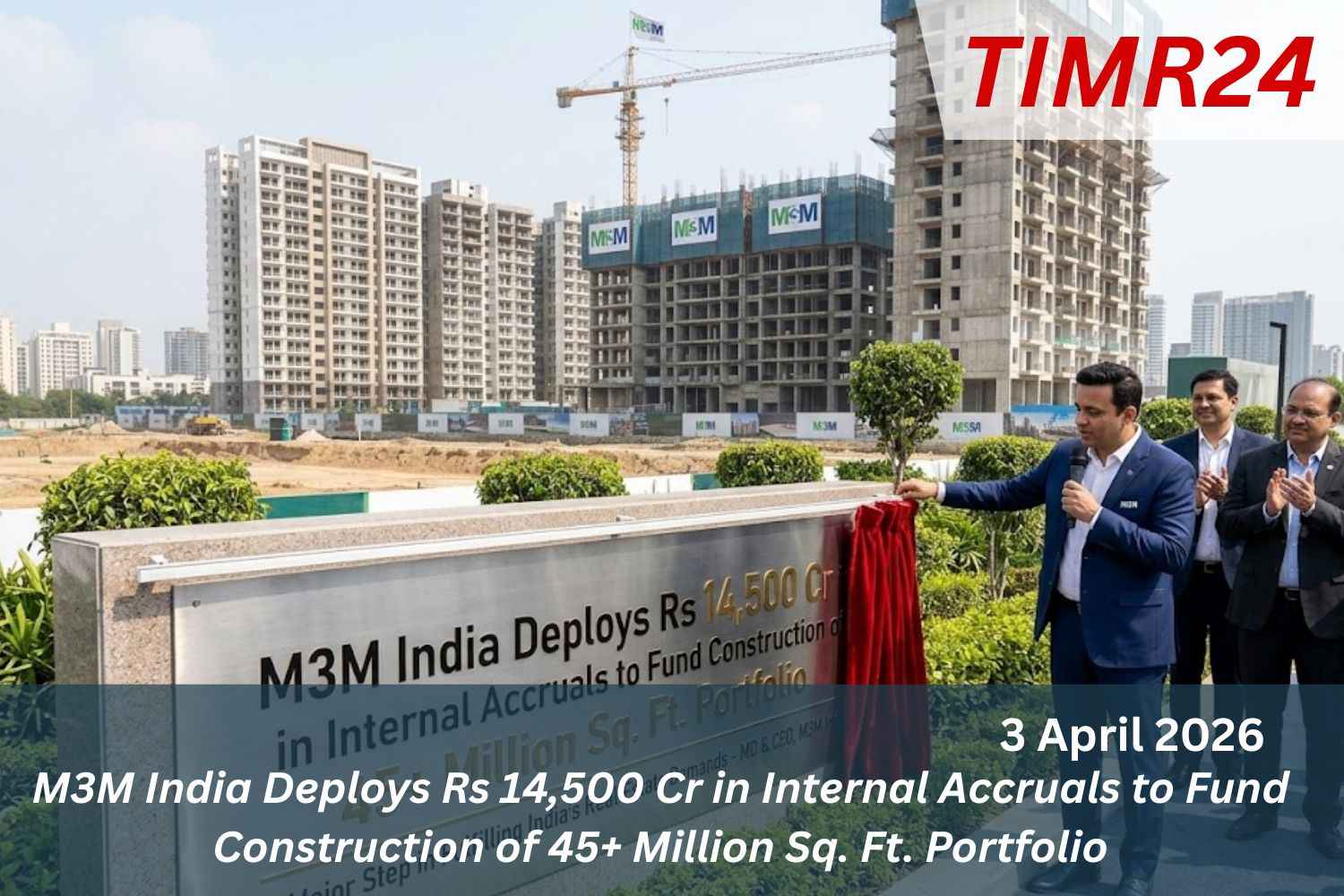
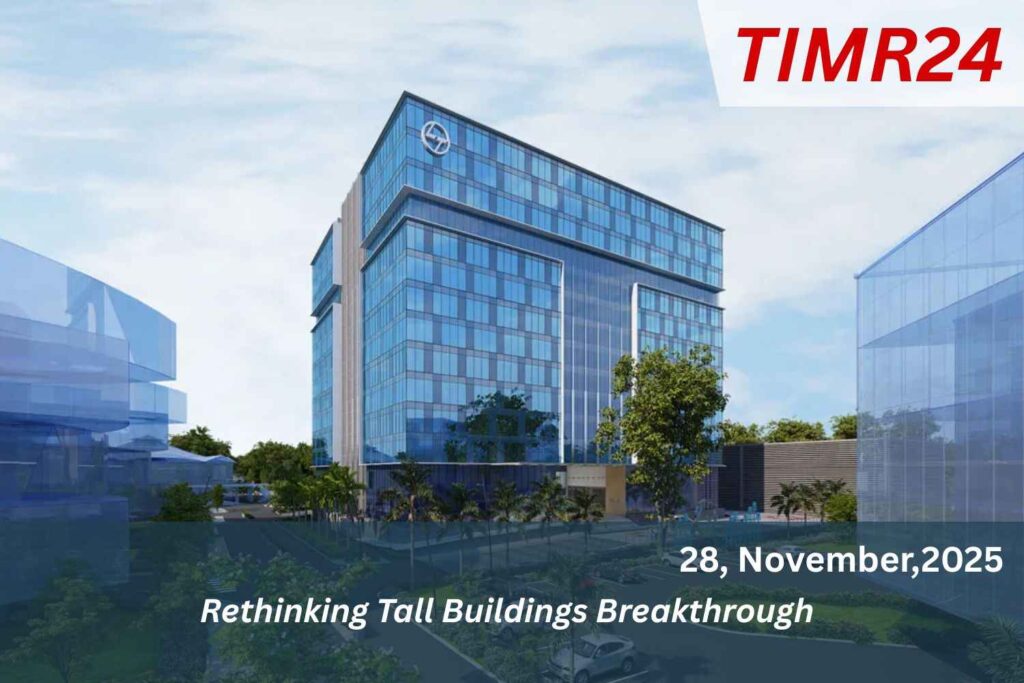
The document discusses the increasing prominence of skyscrapers in India’s urban centers, particularly in Mumbai, Bengaluru, and Gurugram. Key examples include the 88-storey Palais Royale, 64-storey One Avighna Park, and 41-storey Wave One. Urbanization and land constraints necessitate careful consideration of building height, referred to as the “height of affordability.” Anuja Sawant, a principal at SSA, emphasizes that the optimal height depends on factors like ground space, target market, urban impact, and evidence-based analysis. Tall buildings are no longer just symbols of power or wealth. They are being reinvented as intelligent, efficient, and environmentally.
Environmental Conditions, And Promote
Responsible structures capable of responding to modern urban challenges. Cities across the world are struggling with population growth, rising land values, climate stress, and energy shortages. In this environment, vertical development is not merely a design choice but a survival strategy. Today’s architects, planners, and engineers are rethinking tall buildings not as static monuments but as dynamic ecosystems that interact with people, technology, and nature. The goal is no longer to build the tallest tower, but to create buildings that consume less energy, adapt to environmental conditions, and promote healthier living. Urban densification has become unavoidable.
As megacities expand, land scarcity is becoming a critical issue. Tall buildings provide an opportunity to accommodate growth without expanding horizontally into green belts and agricultural zones. However, higher density also requires better planning. Poorly designed skyscrapers can create heat islands, block wind flow, and strain public services. This is why modern skyscraper design focuses on integrated urban solutions where tall buildings are linked with transport networks, green spaces, and social infrastructure. Our detailed article on internal urban mobility design explores how high-rise developments must connect to metro stations, bus terminals, and pedestrians.
Intelligent Energy Systems Green Roofs
Corridors to reduce traffic congestion and improve accessibility. Sustainability now defines the new generation of tall buildings. High-rise design is increasingly driven by energy efficiency, carbon neutrality, and environmental impact reduction. The future belongs to skyscrapers that generate more energy than they consume through solar facades, wind turbines, and intelligent energy systems. Green roofs, rainwater harvesting, and greywater recycling are no longer optional upgrades but standard requirements. Many city authorities are now making environmental certification a mandatory part of approval processes. Organizations such as the Council on Tall Buildings and Urban Habitat play.
A major role in defining international benchmarks for sustainable skyscrapers and urban resilience. Meanwhile, construction professionals rely heavily on research and best practices published by the American Society of Civil Engineers for adaptive structural design and climate response (India) strategies. Technology is revolutionizing tall buildings at every level. Smart elevators reduce travel time during peak hours by predicting movement patterns. Intelligent lighting systems adjust based on daylight availability, cutting energy use significantly. Building Management Systems (BMS) monitor air quality, temperature, and human movement to optimize comfort and security.
Earthquake Resistance, Wind Control, And Foundation
Artificial intelligence now allows buildings to “learn” usage behavior and operate more efficiently over time. If you want deeper insight, check our internal resource on smart building automation systems, where we explore how AI-driven technologies are shaping vertical living and working spaces. Structural engineering has undergone a radical transformation in the last two decades. Earthquake resistance, wind control, and foundation safety are now designed through simulation-based engineering. Materials such as high-performance concrete, carbon fiber reinforcement, and modular steel systems have enabled buildings to rise higher with lower risk. Structural logic has also.
Blended with aesthetics, twisted towers, sky gardens, and suspended floors are not just design statements but also contribute to wind resistance and thermal performance. For cutting-edge design standards, international professionals often refer to guidance materials developed by the Institution of Civil Engineers, which emphasize performance-based design and risk-reduction strategies in dense cities. Stacking people vertically creates unique social challenges. Older tall buildings often isolate residents and workers into sealed environments, disconnected from nature and community. Modern high-rise design focuses on human behavior and mental wellness.
Vertical Urban Ecosystems Environmental
Open terraces, community floors, shared workspaces, and vertical gardens encourage interaction and reduce psychological stress. Residential skyscrapers now include schools, medical clinics, and recreation areas to build multi-functional “vertical neighborhoods.” A great example of integrated urban living is discussed in our in-depth internal analysis on vertical urban ecosystems, where we examine how social design is becoming as important as engineering. Climate change is pushing designers to build taller with resilience in mind. Rising sea levels, extreme heatwaves, and unpredictable storms mean skyscrapers must withstand not only gravity but also environmental uncertainty.
Resilience engineering integrates flexible structures, disaster-ready evacuation systems, and real-time monitoring sensors. Coastal cities are implementing flood-resistant foundations and shock absorbers to manage seismic activity. Urban resilience research from the World Bank’s infrastructure division highlights how future megacities must rely on vertical growth backed by adaptive safety systems. Another important authority in high-rise planning is the Ministry of Urban Development in India. Policy frameworks for vertical housing, transit-oriented development, and energy standards are being actively promoted by the Ministry. Similarly, engineers and designers are working.
Separating Residential, Commercial, And Public
On high-rise structures, depend on international construction research publications and case studies from ASCE. The future of tall buildings is also being shaped by mixed-use planning. Instead of separating residential, commercial, and public spaces, vertical developments now integrate them within one structure. Offices sit above shopping centers, hotels rise above transport hubs, and residential floors crown commercial complexes. This reduces travel time, energy consumption, and traffic congestion. Mixed-use towers function as micro-cities and offer greater economic efficiency. For developers and planners, our internal guide on urban mixed-use planning.
Provides a step-by-step overview of how vertical zoning enhances project value and city performance. Looking ahead, tall buildings will not only be engineering marvels but environmental allies. The skyscraper of the future will clean air, recycle waste, manage water, and generate (Urban Development) energy. Instead of fighting nature, it will collaborate with it. Cities that adopt intelligent vertical development today will be better prepared for population pressure, climate stress, and sustainability targets tomorrow. Rethinking tall buildings is not just an architectural evolution; it is a civilizational necessity.
Q1 What does “rethinking tall buildings” mean in modern architecture?
Rethinking tall buildings refers to designing high-rises that are energy-efficient, socially inclusive, and climate-resilient rather than focusing only on height and visual impact.
Q2 Are skyscrapers environmentally sustainable?
Yes, modern skyscrapers use green technologies such as solar panels, smart HVAC systems, and rainwater harvesting systems to reduce environmental impact significantly.
Q3 Why are cities moving towards vertical development?
Cities adopt vertical growth to manage land scarcity, reduce urban sprawl, and optimize infrastructure efficiency while accommodating growing populations.
Q4 How does technology improve tall buildings?
Smart systems control energy usage, elevators, security, air quality, and lighting, making buildings safer, more efficient, and more comfortable.
Q5 Will tall buildings be safe in climate extremes?
Future-ready skyscrapers are built with advanced structural engineering, wind resistance systems, and disaster preparedness technologies to withstand climate risks.