

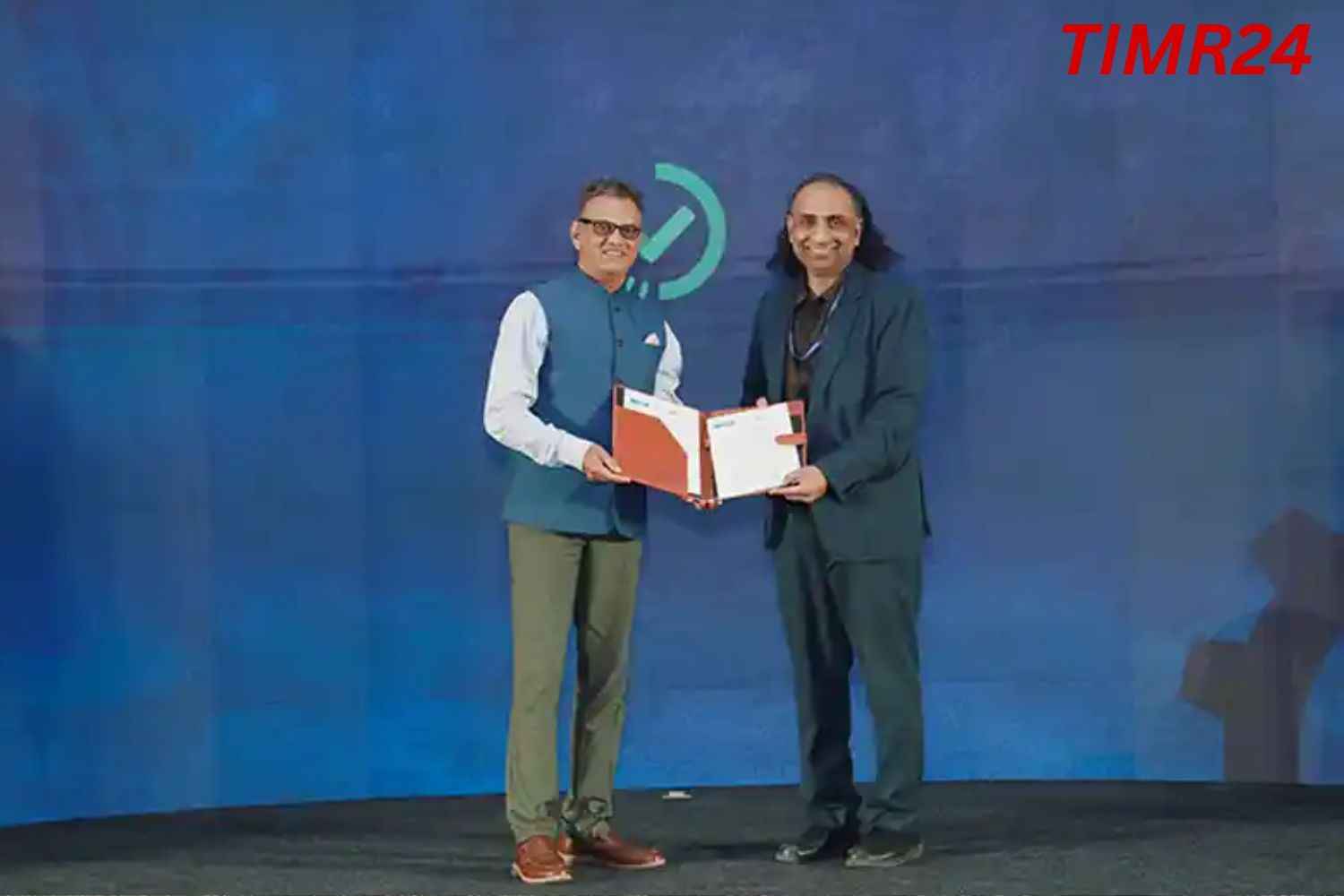


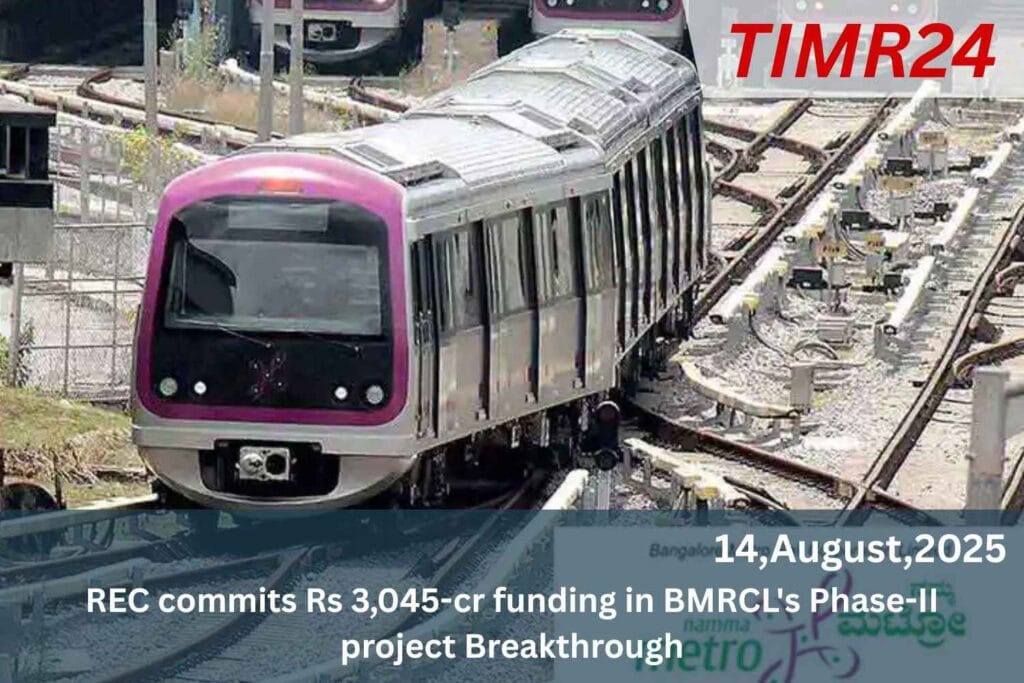
REC has provided Rs 3,045 crore to Bangalore Metro Rail Corporation (BMRCL) for Phase-II of the Bangalore Metro project, aiming to expand the rapid transit system. The project includes the extension of existing corridors and the addition of two new metro lines, passing through densely populated Bengaluru. The combined network will span 114.39 km. The Rural Electrification Corporation (REC) has announced a major financial commitment of ₹3,045 crore towards the Bangalore Metro Rail Corporation Limited (BMRCL) for the Phase-II expansion project. This investment marks a significant step in Bengaluru’s journey to enhance urban mobility, reduce traffic congestion, and support sustainable public transport growth.
The funding will directly contribute to infrastructure development, rolling stock procurement, and advanced metro systems, ensuring that the project stays on schedule. The Phase-II of Namma Metro is an ambitious project that aims to extend the network by over 72 km, covering new corridors and enhancing connectivity across the city. Major stretches include extensions of the Purple Line to Whitefield and the Green Line towards Anjana Pura, along with the introduction of new corridors such as the Yellow Line connecting R.V. Road to Bommasandra (Electronic City). The expansion is crucial for connecting IT hubs, residential areas, and commercial zones, thus reducing dependency on road transport. You can read more about Bengaluru Metro’s operational updates on.
Role of REC in Urban Infrastructure Financing
REC, traditionally known for financing power and energy projects, has been diversifying its portfolio into urban transport infrastructure. By committing to the BMRCL Phase-II project, REC demonstrates its evolving role as a strategic infrastructure financer in India. This funding will help BMRCL maintain momentum, avoid project delays, and secure advanced technology for efficient metro (Urban Transport) operations. For further insights into REC’s infrastructure initiatives, The ₹3,045 crore funding will enable BMRCL to accelerate civil works, complete viaduct and station structures, and procure modern metro coaches. This ensures faster project execution and high-quality standards. Additionally, the funding supports the implementation of signaling systems.
Platform screen doors in select stations, and energy-efficient train operations. For commuters, this translates to shorter travel times, reduced congestion, and improved city-wide accessibility. Once Phase-II becomes operational, Bengaluru’s metro network will significantly expand its reach, connecting tech corridors such as Electronic City, industrial hubs like Peenya, and residential suburbs such as Whitefield. This will not only enhance daily commuting but also drive real estate development, boost commercial activity, and reduce the city’s carbon footprint. Urban planners expect this expansion to encourage a modal shift from private vehicles to public transport, leading to less pollution and improved air quality.
Challenges and the Way Forward
Despite the positive outlook, large-scale metro projects like Phase-II face challenges such as land acquisition delays, construction disruptions, and cost escalations. However, with assured funding from REC, BMRCL is better equipped to manage these hurdles. Continued coordination with state agencies, timely contractor performance, and public cooperation will be crucial for meeting completion targets (REC Limited Official) The REC funding commitment for BMRCL’s Phase-II project is more than a financial transaction—it is a catalyst for Bengaluru’s future as a modern, sustainable, and well-connected metropolis. By strengthening the city’s transport backbone, this initiative will play a key role in shaping the urban experience for millions of residents and visitors.
Q1. What is the amount REC has committed for BMRCL’s Phase-II project?
REC has committed ₹3,045 crore for the Bengaluru Metro Phase-II expansion.
Q2. What will the funding be used for?
It will be used for infrastructure development, rolling stock, and system enhancements in Phase-II.
Q3. Which areas will benefit from Phase-II of Bengaluru Metro?
Phase-II will connect key city corridors like Whitefield, Electronic City, and other emerging hubs.
Q4. When is the Phase-II project expected to be completed?
Completion timelines vary for each corridor, with major stretches expected by 2026–27.
Q5. Why is REC funding significant for this project?
It ensures timely execution, reduces financial stress, and accelerates Bengaluru’s metro network expansion.