




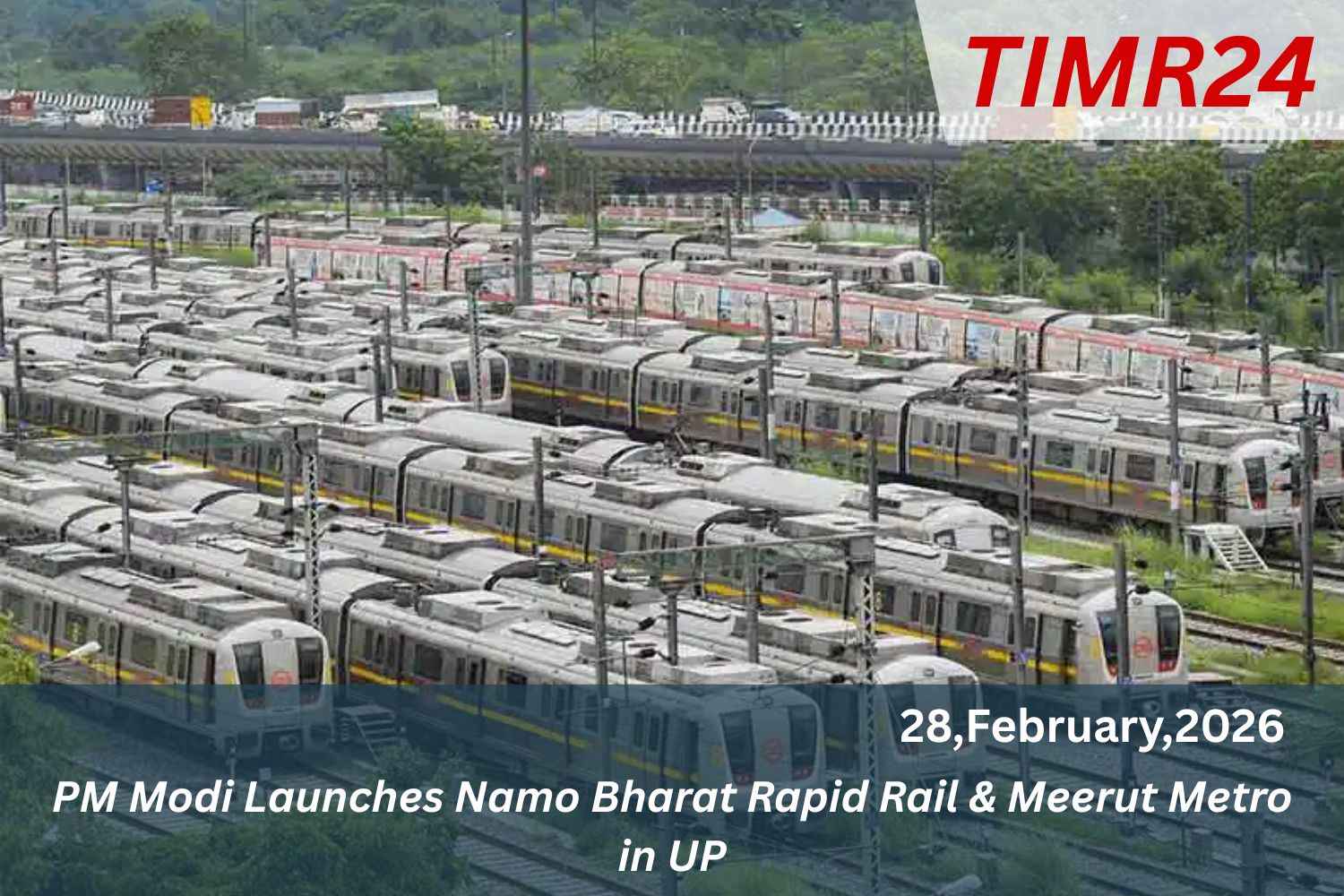

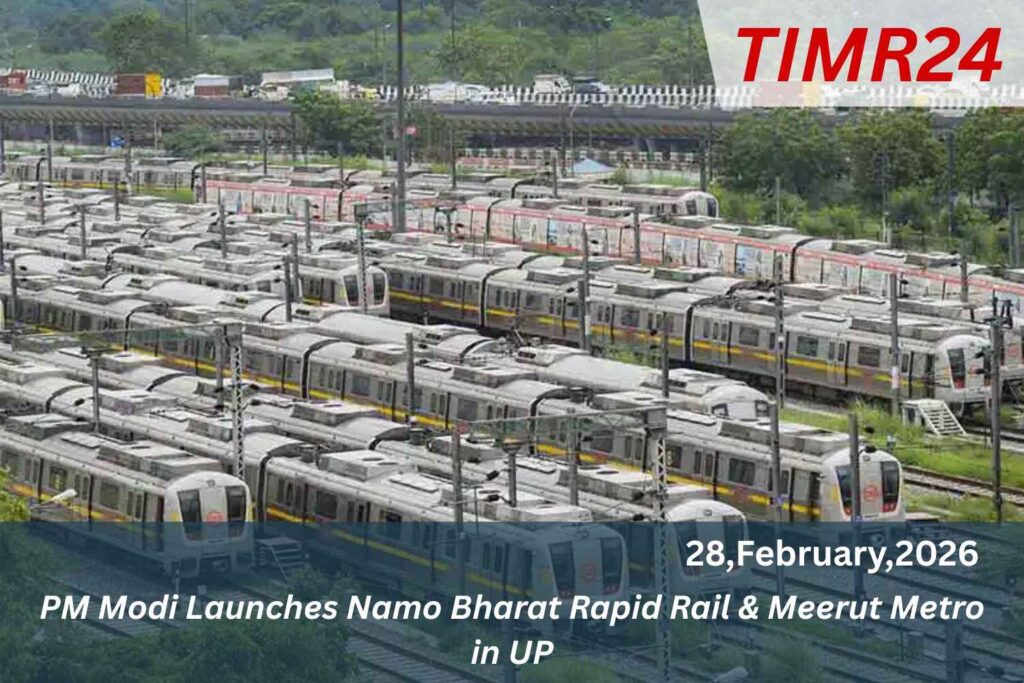
PM Modi inaugurated the Namo Bharat Rapid Rail and Meerut Metro route, emphasizing the initiative as a significant advancement toward a developed Uttar Pradesh and India. The integrated transport system merges Metro services with Namo Bharat trains, enhancing connectivity and reducing commuting needs to Delhi. Modi praised the government’s efficient project execution and highlighted that women comprise a majority of train operators and station staff, symbolizing Nari Shakti. He outlined the project’s integration with Indian Railways and various terminals, articulated the economic benefits of modern infrastructure investments, and stressed.
Empowering Local Entrepreneurs
The potential of Uttar Pradesh’s labor force and creative industries. Additionally, Modi addressed support for the MSME sector, announcing a special fund in the budget to facilitate loans and the removal of limits on international goods shipments, empowering local entrepreneurs The inauguration of the Namo Bharat Rapid Rail and Meerut Metro marks a significant milestone in India’s infrastructure development journey, reflecting the government’s strong focus on modern transportation systems and regional connectivity. Prime Minister Narendra Modi launched these major projects with the aim of transforming travel across Uttar Pradesh and the wider National Capital.
Region by introducing faster, more efficient, and sustainable public transportation solutions. The initiative represents a major step toward improving urban mobility, strengthening economic integration, and supporting the growing population’s transportation needs through advanced transit infrastructure The Namo Bharat Rapid Rail system has been designed as a high-speed regional transport network that connects major urban centers and satellite cities with modern rail technology. The system provides a seamless travel experience with reduced travel time, advanced safety features, and comfortable commuting options.
PM Modi Building World-Class Infrastructure
By linking key economic zones and residential areas, the rapid rail service is expected to enhance daily commuting efficiency and create new opportunities for business growth and employment generation. The project reflects India’s broader vision of building world-class infrastructure that meets international standards while supporting sustainable urban expansion The rapid rail project plays a crucial role in reducing traffic congestion across major routes connecting urban hubs. With increasing urbanization and growing vehicle numbers, cities have been facing serious challenges related to traffic management and environmental pollution.
The introduction of high-speed regional rail services offers an alternative to road transport, helping reduce fuel consumption and carbon emissions. The project aligns with the government’s commitment to promoting environmentally friendly transportation and sustainable development practices. By encouraging public transport usage, the system contributes to cleaner air and improved urban living conditions Alongside the rapid rail initiative, the Meerut Metro project focuses on strengthening urban transportation within Meerut. The metro system provides residents with reliable and efficient local transit, connecting important residential, commercial, and industrial areas within the city.
Promoting Organized City Growth
With modern stations, improved accessibility, and efficient operations, the metro service aims to make daily commuting convenient and time-saving for passengers. The project also supports urban planning efforts by promoting organized city growth and reducing dependence on private vehicles The introduction of the Meerut Metro is expected to transform the city’s public transportation landscape by offering a fast and affordable alternative to traditional transport systems. As urban populations continue to grow, cities require efficient transit networks to manage mobility demands effectively. The metro system addresses this need by providing high-capacity transportation.
That reduces travel time and enhances commuter comfort. Improved connectivity within the city is likely to boost local business activity, encourage investment, and support overall economic development The integration of regional rapid rail and local metro services represents a comprehensive approach to transportation planning. By combining high-speed intercity connectivity with efficient urban transit, the projects create a seamless travel ecosystem that benefits both daily commuters and long-distance travelers. This integrated network supports regional development by improving access to employment centers, educational institutions, and commercial zones.
Large-Scale Infrastructure Projects
The enhanced mobility also promotes balanced urban growth by connecting emerging areas with established economic hubs The development of advanced transportation infrastructure has significant economic implications for the region. Large-scale infrastructure projects generate employment opportunities during construction and operational phases while also supporting related industries such as manufacturing, engineering, and technology. Improved connectivity attracts investment, boosts real estate development, and encourages the establishment of new businesses. These factors contribute to regional economic growth and enhance the overall quality of life for residents.
Q1. What is the Namo Bharat Rapid Rail project?
It is a high-speed regional transit system designed to connect major cities with fast and efficient rail services.
Q2. What is the main objective of the Meerut Metro?
The Meerut Metro aims to improve local transportation, reduce traffic congestion, and provide eco-friendly urban mobility.
Q3. How will these projects benefit Uttar Pradesh?
They will enhance connectivity, boost economic activity, and improve commuting efficiency.
Q4. Who developed the rapid rail system?
The project is implemented by the National Capital Region Transport Corporation (NCRTC).
Q5. Will the project reduce travel time?
Yes, the rapid rail significantly cuts travel time between major regional hubs.