

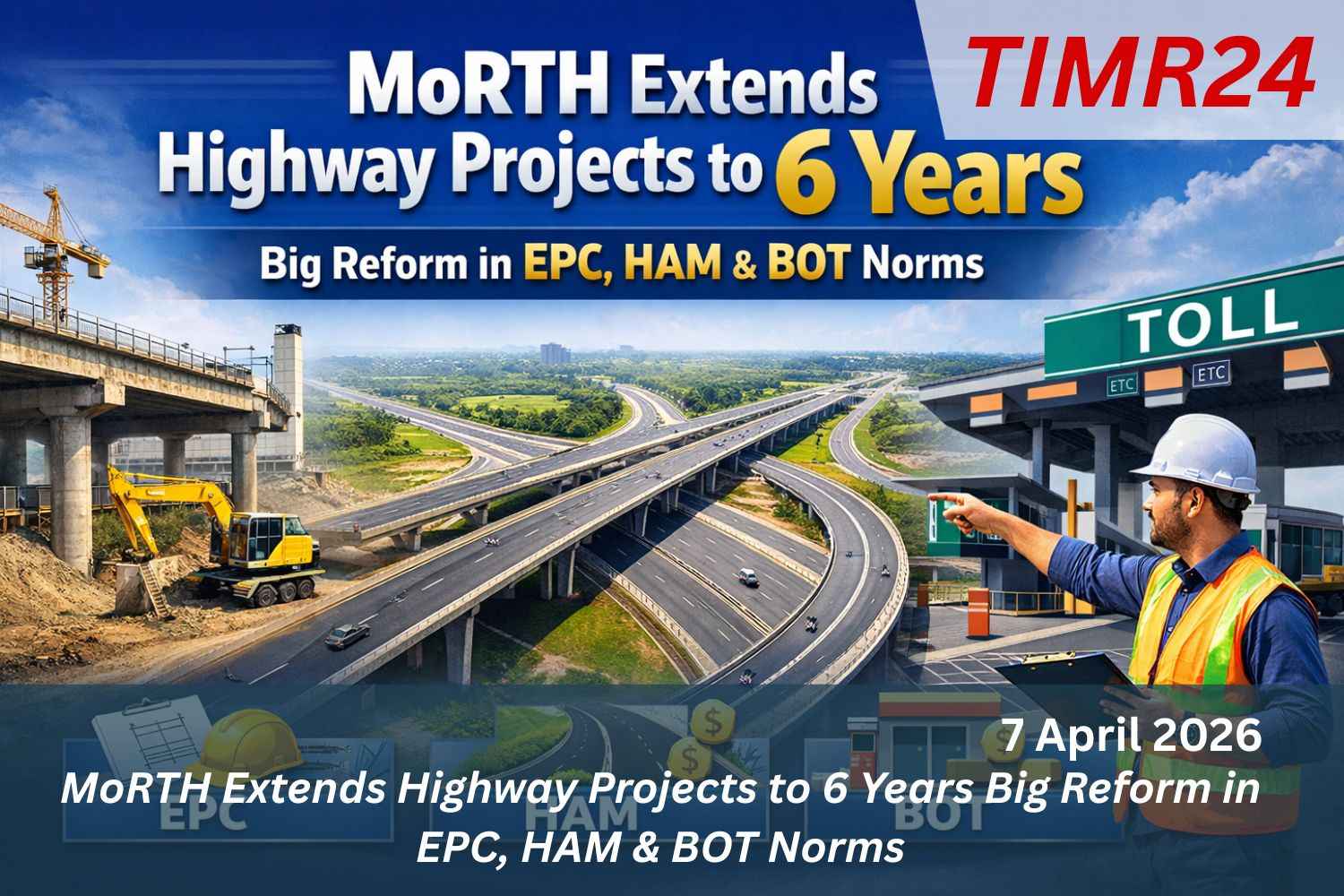
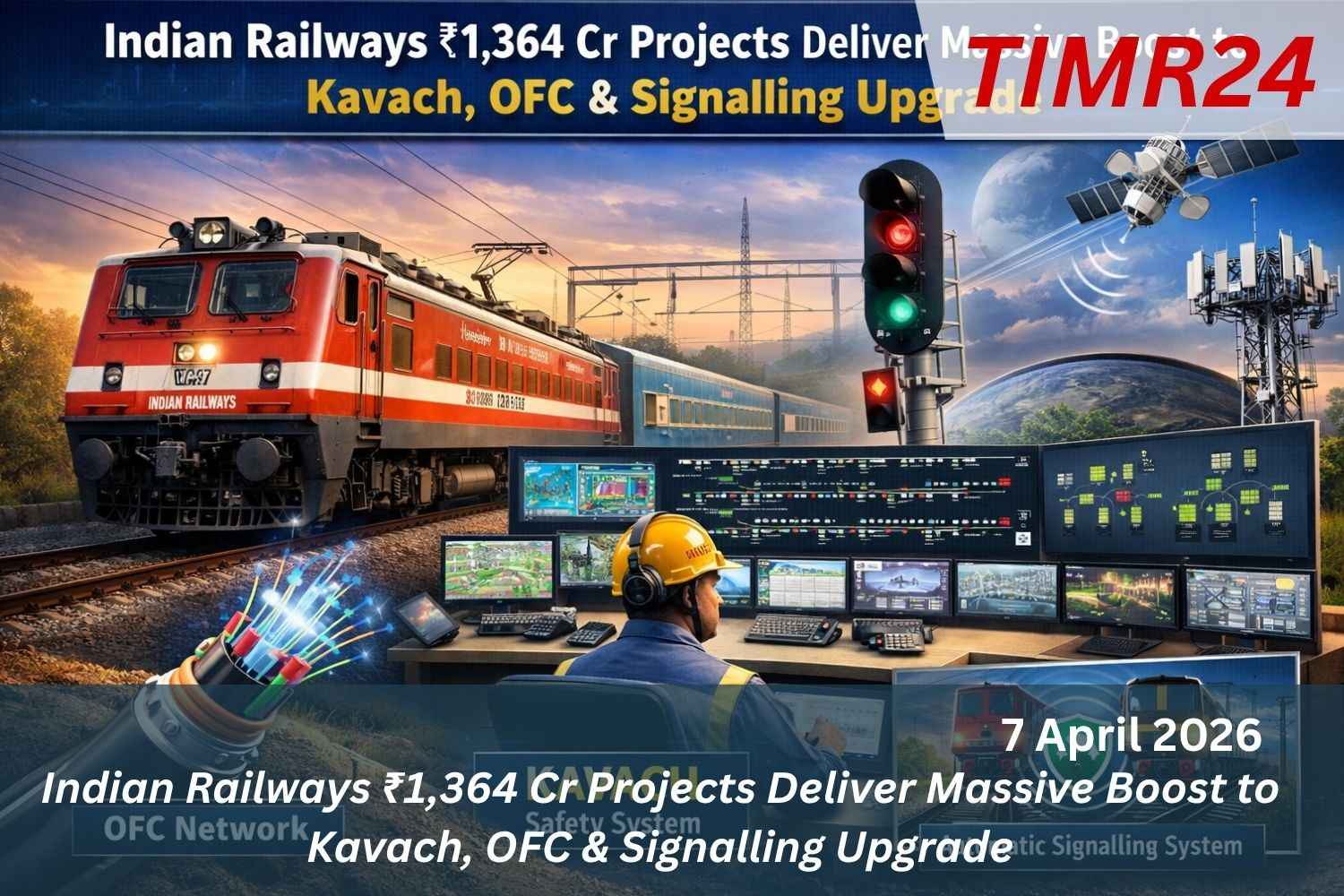








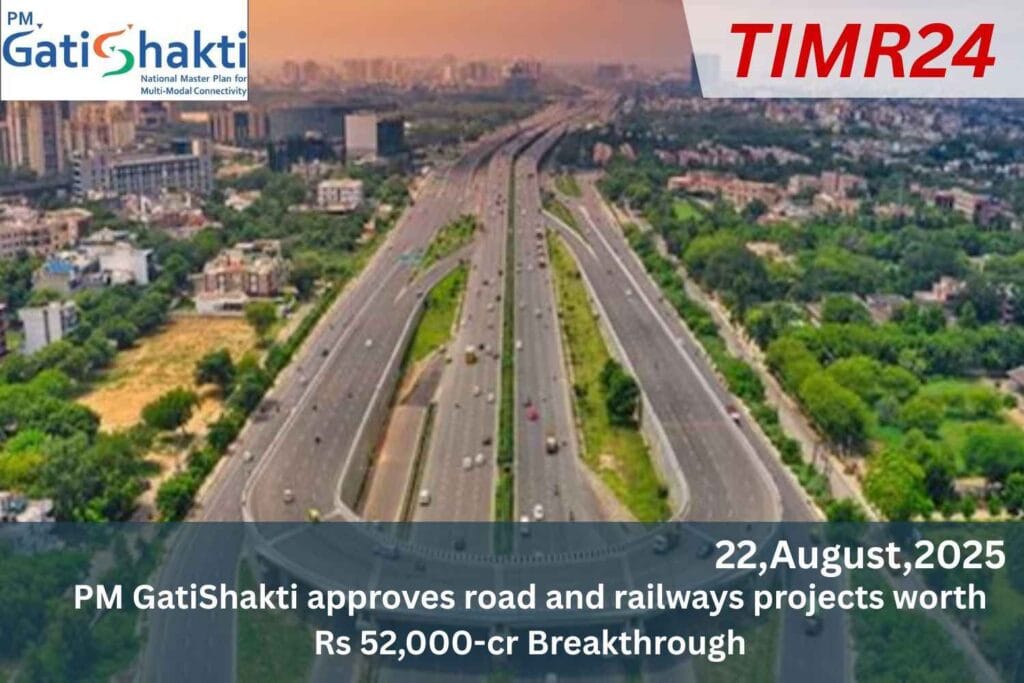
The PMGatiShakti initiative has approved six infrastructure projects, including a Greenfield Road in Gujarat and Maharashtra, a road project connecting Amritsar-Jamnagar and Ahmedabad, a four-laning Patna-Arrah-Sasaram corridor, and a railway project in Odisha and Kerala. The projects will benefit industrial belts and agriculture sectors, improve logistics efficiency, and enhance interstate connectivity. The NPG meeting reviewed these proposals, recognizing their potential to benefit aspirational and tribal districts by facilitating industrial development. The projects are expected to cost around Rs. 52,000 crore The Government of India has once again underlined its commitment to.
Infrastructure-led development with the approval of road and railway projects worth Rs 52,000 crore under the PM GatiShakti National Master Plan. This decision marks a transformative step in strengthening India’s multi-modal connectivity and enhancing economic growth through (PMGatiShakti) seamless integration of transport networks. Launched in October 2021, PM GatiShakti is a flagship initiative designed to bring together 16 ministries on a single digital platform, creating a coordinated approach to infrastructure development. It aims to ensure that projects are planned and executed with better synergy, avoiding cost overruns and delays. With this framework, India envisions a future.
Focus on Road Connectivity
Where roads, railways, ports, airports, and logistics hubs are interconnected, offering industries and citizens faster and more efficient transportation solutions. The approval of road and railway projects worth Rs 52,000 crore is not just a financial investment but a strategic move to boost regional and national connectivity. These projects will cater to both passenger and freight movement, thereby enhancing trade opportunities and reducing the overall cost of logistics. Improved connectivity will also provide a strong backbone to the Make in India initiative, allowing industries to access markets faster and more reliably. Roadways continue to be a lifeline for India’s economy, and the newly.
Approved projects under GatiShakti will ensure smoother inter-state travel, shorter travel times, and better last-mile connectivity. Major highways will be expanded and modernized to handle increasing traffic flow, particularly in industrial and agricultural corridors. Such road projects are vital not only for urban centers but also for rural regions where better connectivity can transform socio-economic conditions by improving access to healthcare, education, and markets. Alongside road projects, the railway sector is receiving a significant share of the Rs 52,000-crore approval. The plan includes the development of new rail lines, electrification of existing routes, and modernization of stations.
By boosting railway infrastructure, the government aims to shift a large portion of freight from roads to railways, thereby reducing congestion, cutting emissions, and improving efficiency. Railways are also set to benefit from technology integration under GatiShakti, where real-time data and GIS-based planning will be used to optimize operations. One of the core goals of PM GatiShakti is to reduce India’s logistics cost, which currently stands higher than many developed economies. The integration of roads and railways with dedicated freight corridors, logistics parks, and multimodal terminals will create an ecosystem where goods can be moved faster and at lower costs.
Regional Development and Employment Opportunities
This will directly benefit exporters, small businesses, and large industries alike, making Indian products more competitive in global markets The Rs 52,000-crore push will also bring transformative benefits at the regional level. States and districts where projects are implemented will see a surge in construction activity, creating lakhs of employment opportunities. Improved infrastructure will attract investments in manufacturing, warehousing, and services, thereby contributing to balanced regional development. Such initiatives also support government programs like Bharatmala and Sagarmala, creating interconnected growth corridors across the country.
A key feature of the GatiShakti approach is its emphasis on sustainable development. With growing concerns about climate change and pollution, the integration of electrified railways, energy-efficient road designs, and smart logistics hubs will ensure that infrastructure growth does not come at the cost of the environment. Looking ahead, PM GatiShakti projects will also incorporate advanced technologies such as AI-based traffic management, green logistics solutions, and digital monitoring for transparency. The approval of Rs 52,000-crore worth of road and railway projects is more than an infrastructure push it is a breakthrough that signifies India’s ambition to become a global economic.
Powerhouse By creating a seamless, modern, and sustainable transport network, PM GatiShakti will not only reduce travel times and logistics costs but also empower businesses, (Make in India) generate employment, and improve the quality of life for millions. With every such milestone, India takes another step closer to building an infrastructure ecosystem that supports inclusive growth and long-term economic resilience.
Q1. What is the total worth of projects approved under PM GatiShakti?
Projects worth Rs 52,000 crore have been approved.
Q2. Which sectors are included in these projects?
Roadways and railways are the primary focus sectors.
Q3. What is the aim of these new projects?
To improve connectivity, reduce travel time, and enhance logistics efficiency.
Q4. How will these projects benefit the public?
They will offer faster travel, better trade routes, and smoother transport services.
Q5. Who oversees PM GatiShakti initiatives?
The Government of India coordinates it through multiple ministries and agencies.