
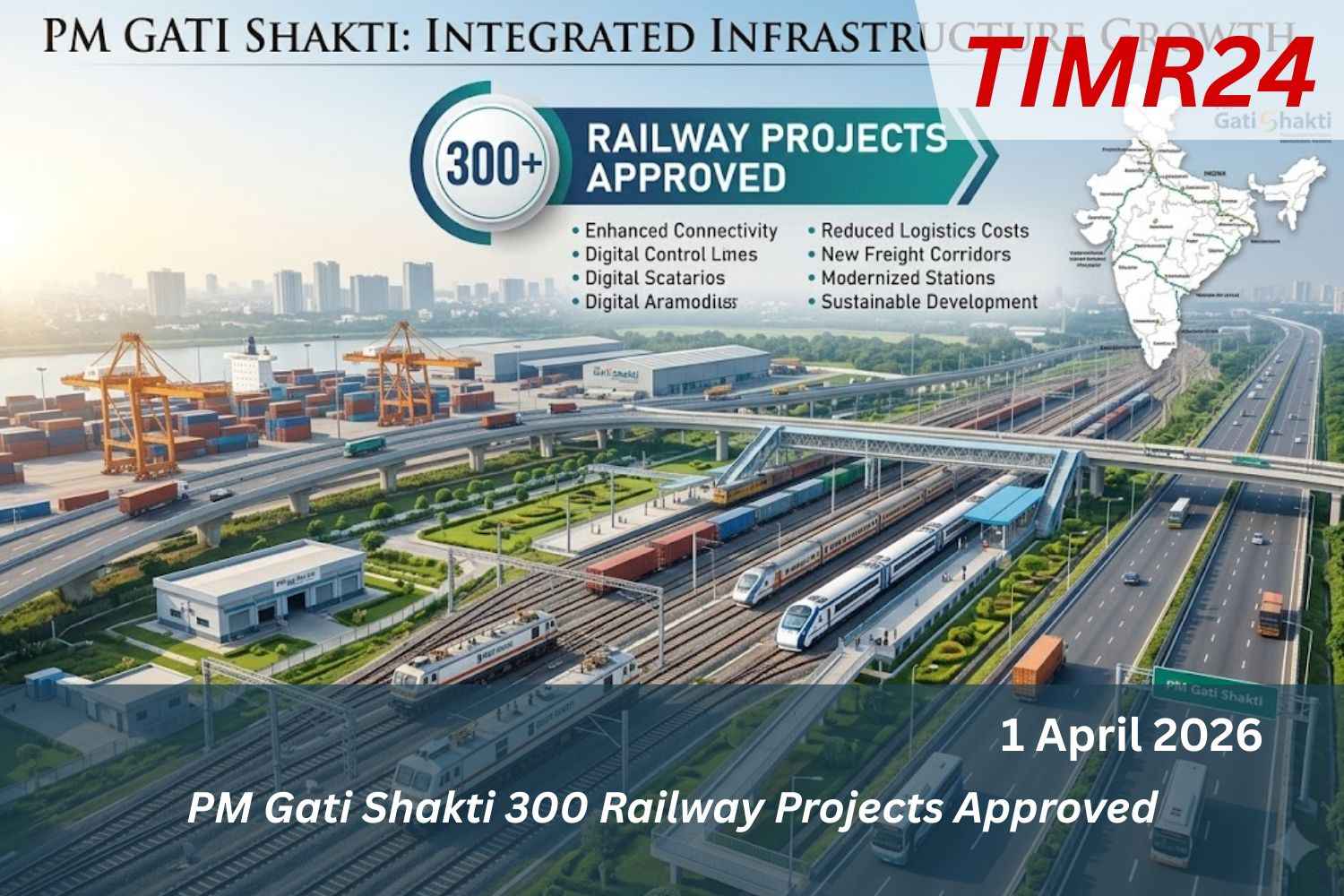





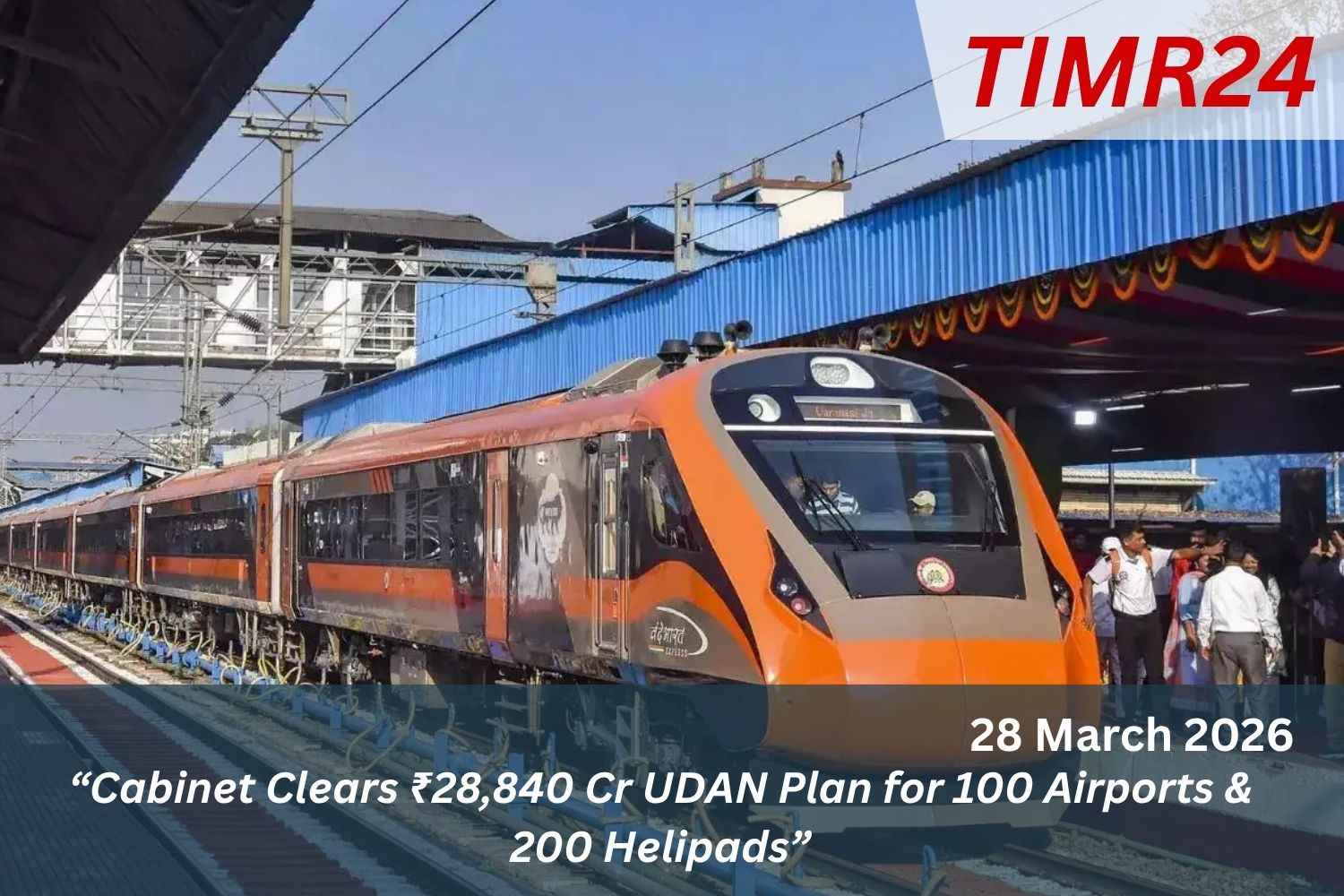
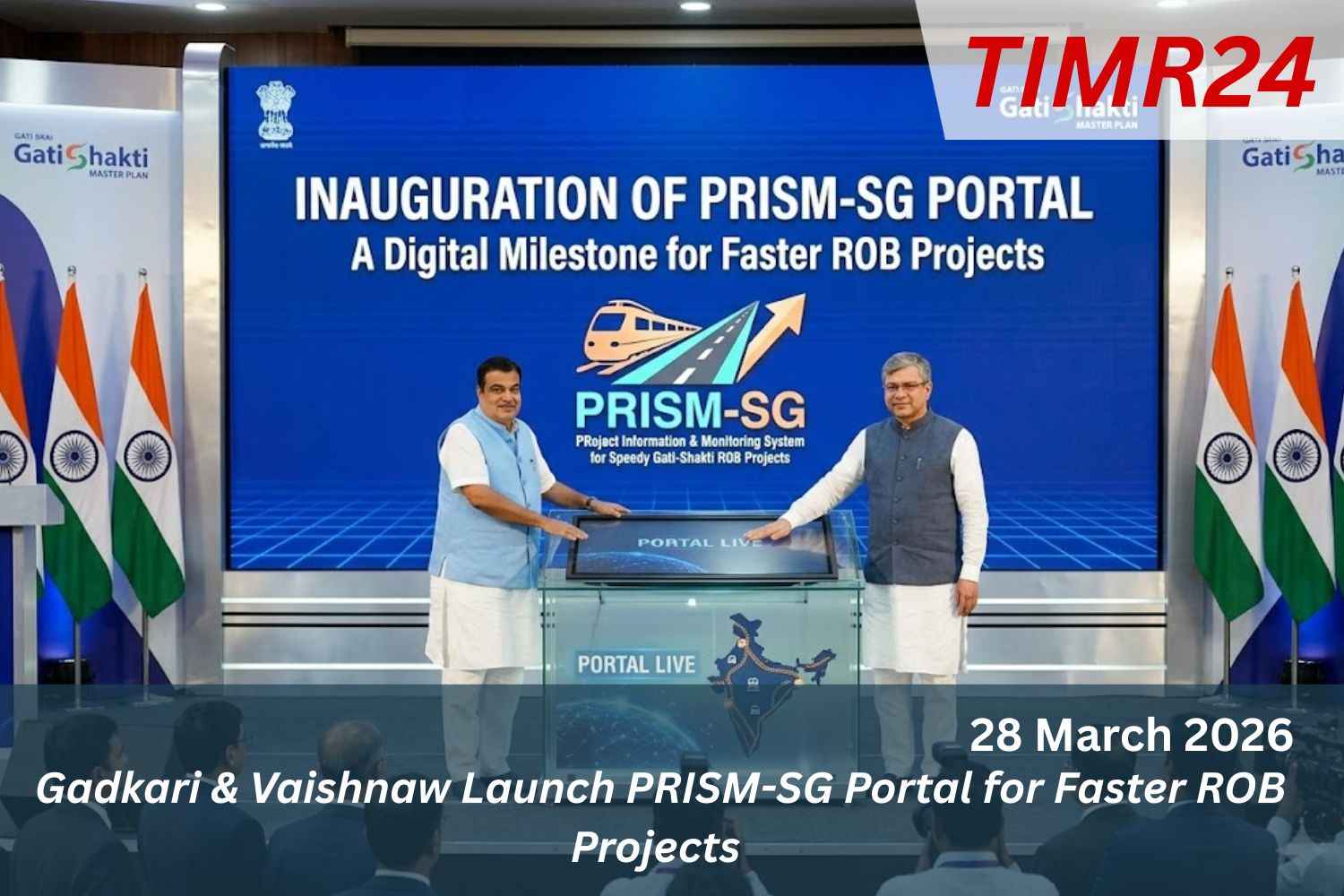
The PM Gati Shakti National Master Plan (NMP), launched in October 2021, aims to transform the planning and execution of transportation infrastructure projects across India. It fosters synergy among sectors such as railways, shipping, and roadways through collaboration among various governmental entities, expediting project clearances and planning. Indian Railways has adopted the principles of Gati Shakti in its project planning, enhancing the quality of Detailed Project Reports and reducing costs by using the PM Gati Shakti Institutional mechanism developed by BISAG-N. Currently, 300 projects, totaling 13,808 km, including new lines and gauge conversions, have been sanctioned under.
Railway Infrastructure Projects Spanning
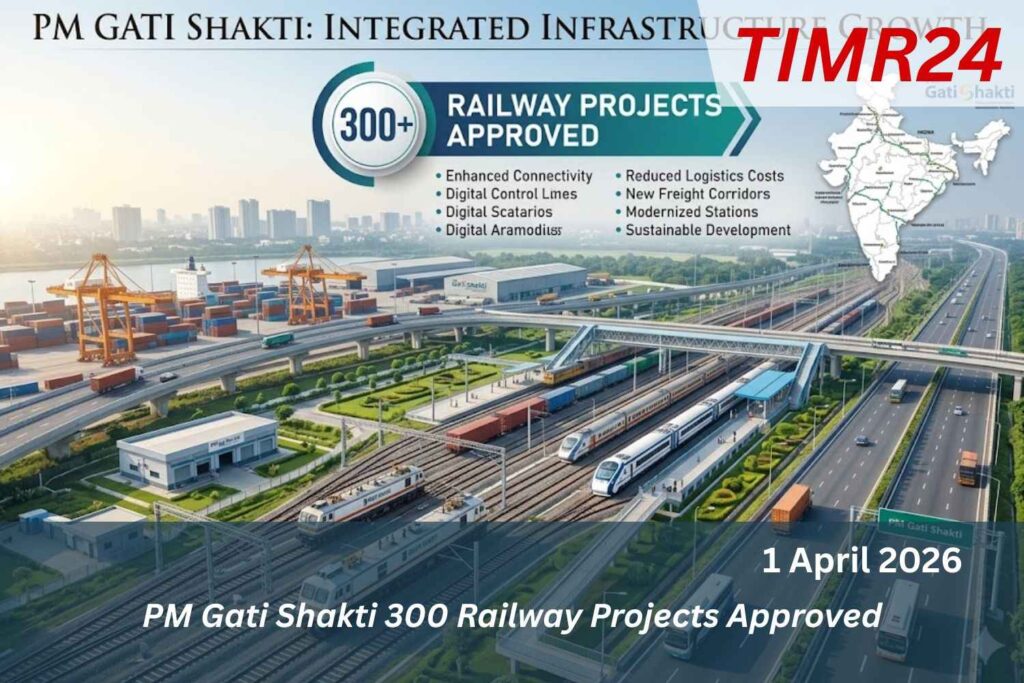
This plan, focusing on multimodal connectivity to economic zones and improving logistics efficiency and connectivity The Government of India’s ambitious PM Gati Shakti initiative has marked a major milestone with the approval of more than 300 railway infrastructure projects spanning approximately 13,800 kilometers across the country. This large-scale development reflects a strategic push toward strengthening India’s transport ecosystem, enhancing connectivity, and ensuring faster, more efficient logistics movement. The Gati Shakti National Master Plan was introduced with the vision of integrating various modes of transport, including railways, highways, ports, and airports, into a unified network.
With this approval, the railway sector is set to play a crucial role in driving economic growth and regional development These 300 railway projects are not just about expanding tracks but are focused on creating a seamless and modern transportation system that supports industries, businesses, and daily commuters. The government has emphasized multi-modal connectivity, meaning railway networks will be directly linked with highways, ports, and logistics hubs. This integration will reduce transportation costs and improve supply chain efficiency, which is essential for India’s growing economy One of the biggest advantages of these projects is the reduction in travel time and freight.
E-Commerce Another Important Aspect
Movement delays. Currently, logistics costs in India are higher compared to global standards, and the government aims to bring these costs down significantly through better planning and execution. By improving railway infrastructure, goods can be transported faster and more efficiently, benefiting industries such as manufacturing, agriculture, and e-commerce Another important aspect of these railway projects is their role in boosting employment. Large-scale infrastructure development generates job opportunities at multiple levels, from construction and engineering to operations and maintenance. This is particularly beneficial for rural and semi-urban areas.
Where employment opportunities are often limited. The improved connectivity will also encourage investments in these regions, leading to balanced regional development The PM Gati Shakti initiative also focuses on the use of advanced technology and digital mapping tools for planning and execution. By using Geographic Information Systems (GIS) and data-driven decision-making, the government ensures that projects are completed efficiently and with minimal delays. This approach helps in identifying bottlenecks, optimizing routes, and ensuring better coordination among different departments Environmental sustainability is another key focus of these railway projects.
Environmental Impact Of Transportation
Rail transport is considered more eco-friendly compared to road transport, as it produces lower carbon emissions. By expanding railway networks and encouraging freight movement via rail, the government aims to reduce the environmental impact of transportation. Additionally, many projects include electrification of railway lines, which further contributes to reducing dependence on fossil fuels and supports India’s climate goals The approval of these 300 projects also aligns with India’s vision of becoming a global manufacturing and logistics hub. Efficient transportation infrastructure is a critical factor for attracting foreign investments and boosting exports.
With improved connectivity between industrial corridors, ports, and markets, businesses can operate more efficiently and competitively. This is particularly important in the context of initiatives like “Make in India” and “Atmanirbhar Bharat,” which aim to strengthen (India) domestic manufacturing capabilities From a real estate perspective, the impact of these railway projects is expected to be significant. Areas with improved connectivity often witness a rise in property demand and value. Investors and homebuyers prefer locations that offer easy access to transportation networks, as it enhances convenience and reduces travel time.
Even Remote And Underserved Areas
This trend has already been observed in regions connected by major infrastructure projects, and the new railway developments are likely to create similar opportunities across the country, the focus on last-mile connectivity ensures that even remote and underserved areas are integrated into the national transport network. This not only improves accessibility but also enhances the quality of life for residents in these regions. Better connectivity means easier access to education, healthcare, and employment opportunities, contributing to overall socio-economic development The government’s commitment to infrastructure development through initiatives like PM Gati Shakti demonstrates.
A long-term vision for India’s growth. By prioritizing coordination, efficiency, and sustainability, these railway projects are set to transform the country’s transportation landscape. The integration of different modes of transport, combined with advanced technology and strategic planning, ensures that India is well-prepared to meet future challenges and opportunities.
The approval of 300 railway projects under PM Gati Shakti is a significant step toward building a robust and efficient transport network in India. These projects will (India) not only enhance connectivity and reduce logistics costs but also drive economic growth, create employment, and promote regional development. As the country continues to invest in infrastructure, the benefits of such initiatives will be felt across various sectors, making India more competitive on the global stage.
Q1. What is PM Gati Shakti?
PM Gati Shakti is a national master plan by the Government of India to improve infrastructure by integrating different modes of transport like railways, highways, ports, and airports.
Q2. How many railway projects have been approved under this plan?
More than 300 railway projects have been approved, covering around 13,800 kilometers across India.
Q3. What is the main objective of these railway projects?
The main goal is to enhance connectivity, reduce logistics costs, and improve the efficiency of freight and passenger movement.
Q4. Which sectors will benefit from these projects?
Sectors like logistics, manufacturing, agriculture, and real estate will benefit significantly from improved connectivity.
Q5. Will these projects create job opportunities?
Yes, these projects will generate large-scale employment opportunities in construction, engineering, and railway operations.