














The six-laning of the Sriperumbudur–Karaipettai stretch of NH-48, part of the Poonamallee–Walajahpet project, was initially awarded in 2012 but faced delays after the concession agreement was terminated in 2016 due to defaults. Currently, 17.2 km of the 34 km stretch is completed, with the remaining 16.8 km contracted at Rs 341.50 crore and expected to finish by October 2026, having achieved around 20% progress In parallel, Phase III of the Bengaluru–Chennai Expressway is advancing under Hybrid Annuity Mode across four packages. While most land and utility issues have been resolved, work on 25.5 km has stalled since May 2025 due to financial issues.
Although Updates To Service Roads
Overall physical progress is around 90%, with completion anticipated by July 2026 Ongoing construction causes traffic diversions, although updates to service roads aim to minimize inconvenience. Additionally, improvements at major junctions and safety measures at accident-prone areas are being implemented along NH-48 India’s highway infrastructure is witnessing a major transformation, and two projects currently drawing nationwide attention are the NH-48 Six-Laning project and the Bengaluru–Chennai Expressway Phase-III. These projects are not just about expanding road width but are part of a broader vision to improve logistics efficiency, reduce travel time, enhance.
Safety, and support regional economic growth. As traffic volumes between major cities continue to rise, the importance of high-capacity corridors like NH-48 and the Bengaluru–Chennai Expressway has become critical for both passenger and freight movement NH-48 is one of India’s most vital national highways, connecting Delhi, Jaipur, Ahmedabad, Vadodara, Surat, Mumbai, and extending further towards Bengaluru and Chennai through interconnected corridors. Over the years, rapid urbanisation and industrial development along this route have led to severe congestion, frequent bottlenecks, and safety challenges. The six-laning initiative aims to address these issues by.
Strengthening Economic Corridors
Expanding existing stretches, improving pavement quality, adding service roads, and modernising junctions. This development aligns closely with India’s larger infrastructure push under the Bharatmala Pariyojana, which focuses on strengthening economic corridors and freight routes across the country The NH-48 six-laning work is being executed in phases to ensure minimal disruption to existing traffic. Several sections have already achieved significant progress, with earthwork, pavement laying, and flyover construction underway simultaneously. Advanced construction techniques and stricter project monitoring are being used to keep timelines on track.
Once completed, this upgrade is expected to significantly reduce travel time between key commercial hubs and improve fuel efficiency for long-distance transporters Parallel to NH-48’s expansion, the Bengaluru–Chennai Expressway is emerging as a game-changing greenfield project. Designed as a high-speed access-controlled corridor, this expressway will directly connect Karnataka and Tamil Nadu’s two largest metropolitan regions. Phase-III of the Bengaluru–Chennai Expressway represents a crucial stage in completing the corridor, focusing on remaining stretches, interchanges, and integration with existing highways and urban road networks.
Each Direction, Central Medians
This phase is particularly important because it ensures seamless end-to-end connectivity without forcing vehicles to merge into congested city traffic The expressway is being developed with modern design standards, including multiple lanes in each direction, central medians, dedicated entry and exit points, and advanced safety features. Unlike conventional highways, access will be strictly regulated, allowing vehicles to maintain consistent high speeds. This design approach significantly reduces accident risks while also improving overall travel efficiency. Once Phase-III is completed, the travel time between Bengaluru and Chennai is expected to drop drastically, benefiting business travellers.
Tourists, and logistics operators alike From an economic perspective, both projects are expected to create strong ripple effects. Improved connectivity encourages industrial expansion along the corridor, boosts real estate development, and supports the growth of logistics parks and warehousing hubs. Towns and semi-urban areas located near interchanges are likely to witness increased investment activity. This pattern has already been observed in regions connected by previous expressway projects, and similar outcomes are anticipated here as well Environmental and social considerations have also been factored into the planning of these projects.
Drainage Systems To Minimise Environmental
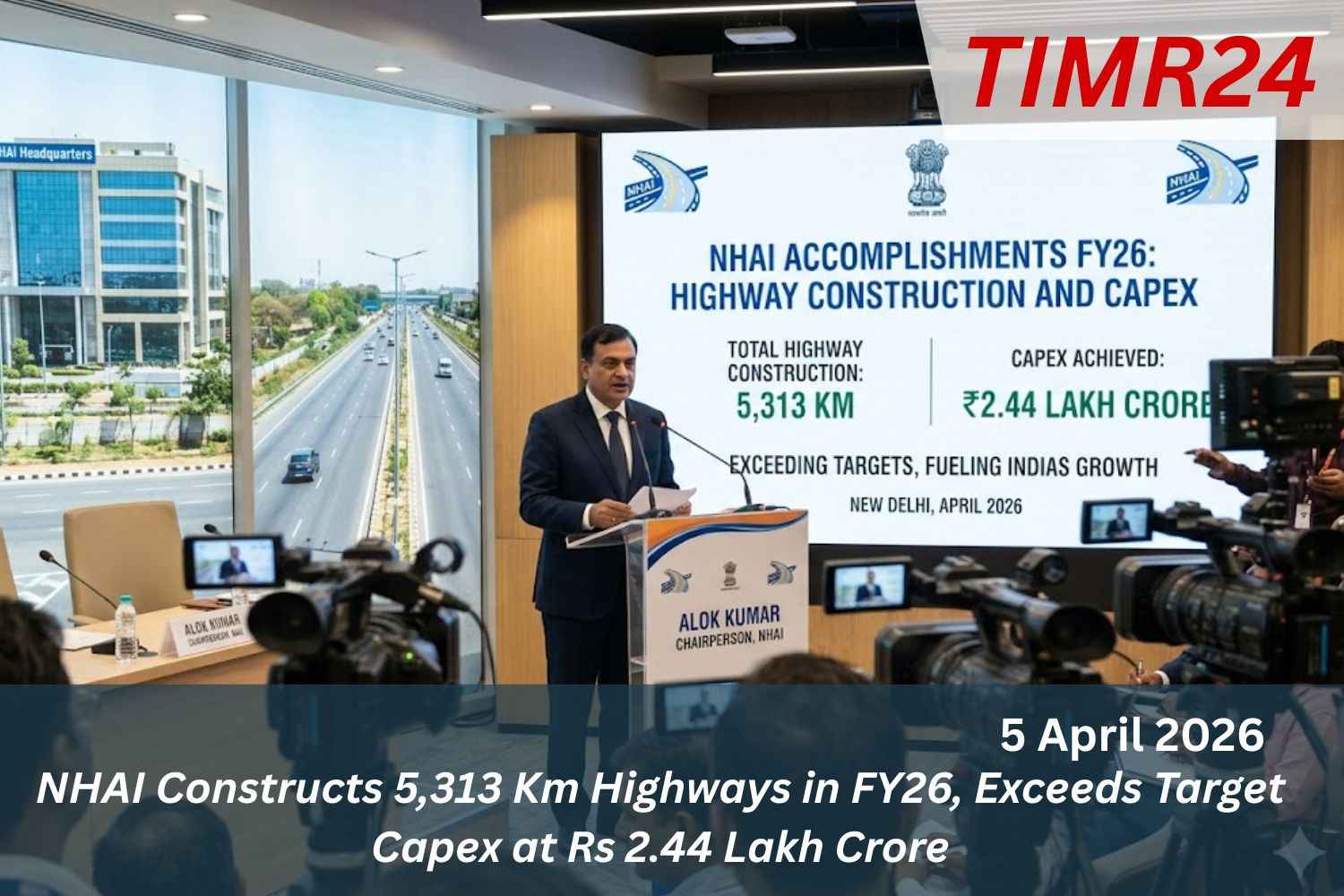
Authorities are implementing measures such as controlled construction zones, dust suppression techniques, and proper drainage systems to minimise environmental impact. In certain stretches, wildlife crossings and noise barriers are being incorporated to reduce disruption (India) to surrounding ecosystems and residential areas. Land acquisition, often a sensitive issue, is being handled through structured compensation frameworks to ensure fairness and transparency for affected communities The role of the National Highways Authority of India (NHAI) has been central in driving both NH-48 six-laning and the Bengaluru–Chennai Expressway forward.
NHAI’s emphasis on digital monitoring, milestone-based payments, and strict quality audits has improved accountability and construction standards These platforms provide project status reports, tender information, and long-term infrastructure planning documents that help stakeholders understand the broader roadmap behind such developments. The integration of NH-48 with new expressways and feeder roads is part of a larger network strategy aimed at reducing logistics costs, which currently form a significant percentage of India’s GDP compared to global benchmarks Another key benefit of these highway and expressway projects is improved road safety.
Including Ambulances And Surveillance
Wider lanes, better signage, grade-separated intersections, and controlled access points collectively reduce the likelihood of accidents caused by sudden lane changes or pedestrian crossings. Emergency response infrastructure, including ambulances and surveillance systems, is also being planned along critical stretches. This focus on safety aligns with national goals to reduce road fatalities while supporting faster mobility For businesses involved in transportation, manufacturing, and e-commerce, the completion of NH-48 six-laning and Bengaluru–Chennai Expressway Phase-III will be a major operational advantage. Faster transit times mean reduced inventory.
Holding costs and improved supply chain reliability. For daily commuters and intercity travellers, the benefits will be felt in the form of shorter journeys, less stress, and better driving conditions As India continues to urbanise and industrialise, projects like these are no longer optional but essential. They represent a shift from reactive road expansion to proactive network planning, where future demand is anticipated rather than merely addressed after congestion becomes unmanageable. NH-48 and the Bengaluru–Chennai Expressway together demonstrate how coordinated infrastructure investment can reshape regional mobility patterns and support long-term economic resilience.
The NH-48 six-laning project and the Bengaluru–Chennai Expressway Phase-III update highlight India’s commitment to building world-class road infrastructure. These developments are set to redefine intercity travel in western and southern India, enhance economic (India) integration, and improve quality of life for millions of users. As construction progresses and milestones are achieved, these corridors will stand as benchmarks for future highway and expressway projects across the country.
Q1. What is the objective of NH-48 six-laning?
The project aims to reduce congestion, improve safety, and enhance travel efficiency on one of India’s busiest national highways.
Q2. What does Phase-III of the Bengaluru–Chennai Expressway include?
Phase-III focuses on completing remaining stretches, interchanges, and seamless integration with urban and national highway networks.
Q3. How will these projects impact travel time?
Both projects are expected to significantly cut travel time by enabling smoother, high-speed, and uninterrupted movement.
Q4. Who is responsible for executing these projects?
The National Highways Authority of India (NHAI) is the primary implementing agency.
Q5. Will these projects benefit local economies?
Yes, improved connectivity is expected to boost industrial growth, real estate development, and employment opportunities.