




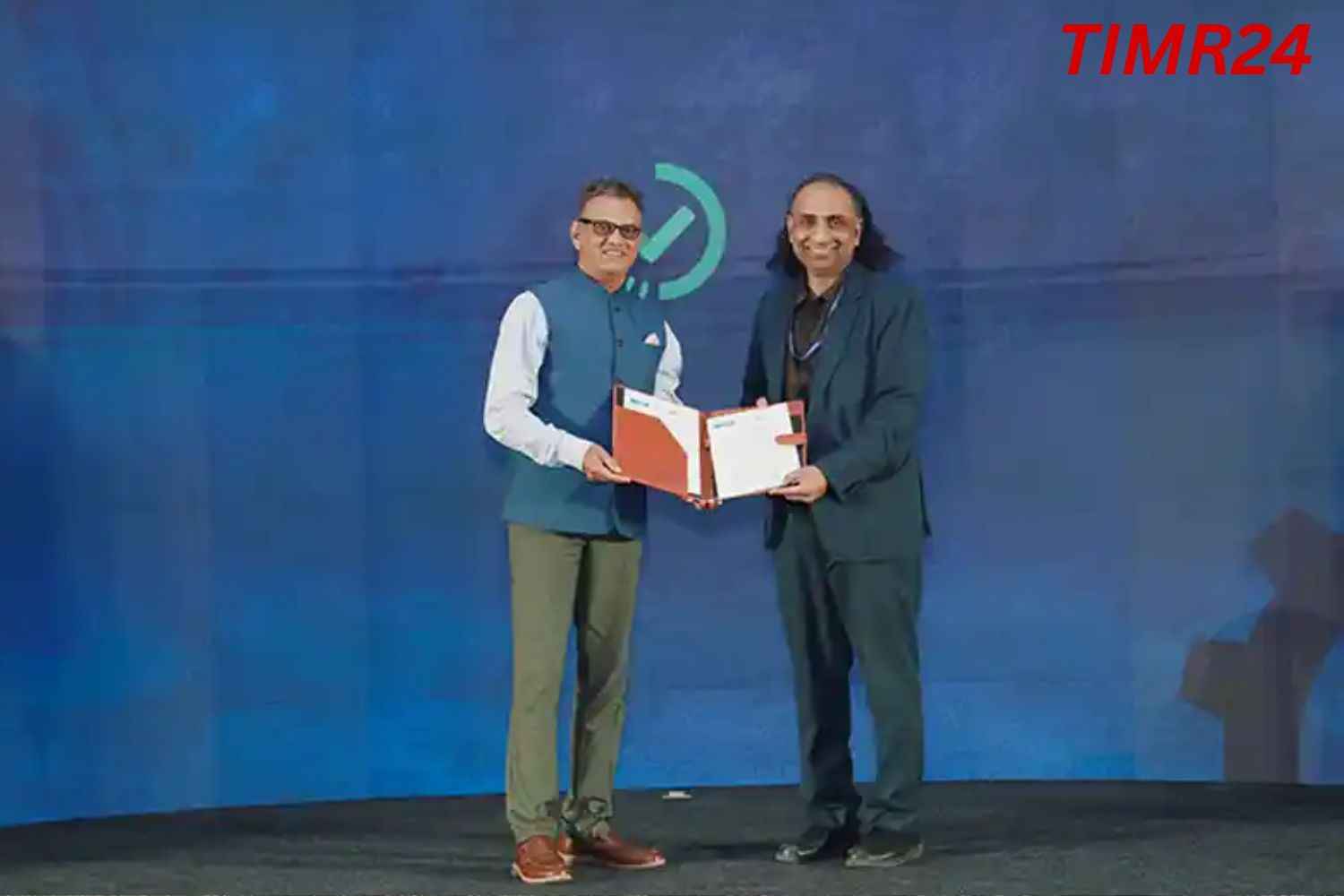














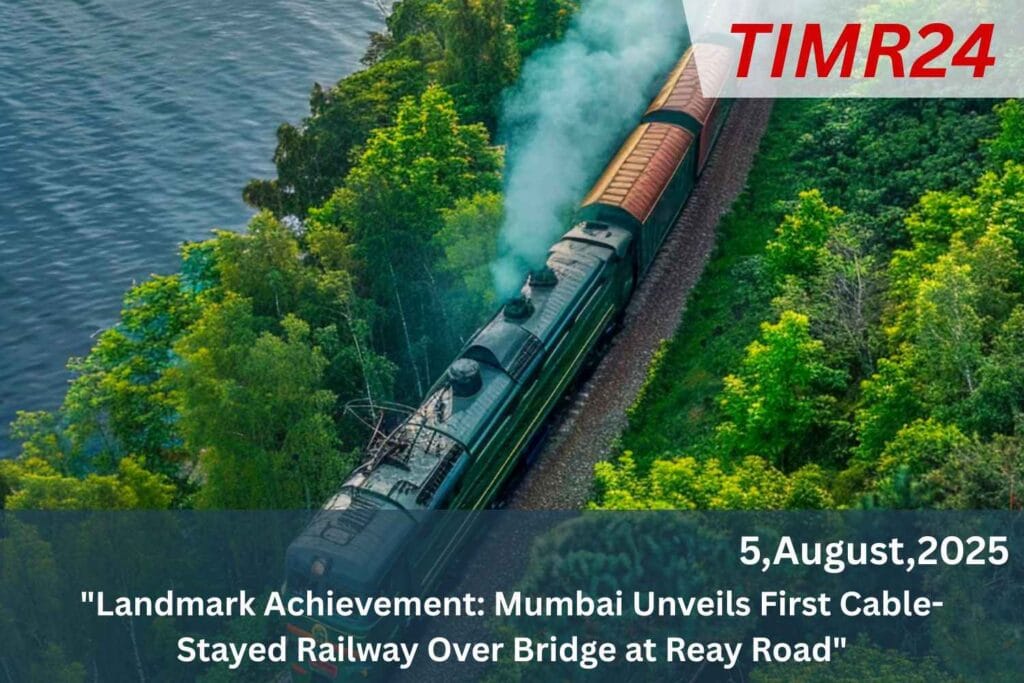
Maharashtra Chief Minister Devendra Fadavis inaugurated Mumbai’s first cable-stayed railway over bridge (Rob) at Reay Road, built at ₹266 crore. The bridge, built in 1910, was demolished and rebuilt by Mahar ail, a joint venture between the Maharashtra government and the Ministry of Railways. The new bridge serves as a key connector on Sant Savita Mali Marg. In a significant infrastructure milestone, Mumbai has inaugurated its first cable-stayed railway over bridge (ROB) at Reay Road, enhancing the city’s connectivity and reducing travel congestion in the area. This marks a historic achievement for the city, setting a benchmark in urban transportation and structural engineering.
Project Overview
The Reay Road cable-stayed ROB was executed by the Mumbai Metropolitan Region Development Authority (MMRDA) in collaboration with Indian Railways. Designed to ease vehicular traffic and ensure smoother transit over the busy railway tracks, this innovative structure replaces the old, dilapidated bridge that had become a bottleneck for decades (MMRDA)
Design and Construction
Spanning over 298 meters with a central span of 110 meters, the bridge’s design incorporates modern aesthetics and robust engineering. The use of a single-pylon cable-stayed structure ensures minimal obstruction to the railway lines below while delivering maximum load-bearing efficiency. The bridge consists of high-tensile cables, strategically placed to maintain balance and structural integrity. Engineers employed advanced precast technology to speed up construction and reduce environmental impact. The project is also a showcase of India’s evolving capabilities in complex civil infrastructure (Road Infrastructure ).
Impact on Traffic and Commuters
The new bridge is expected to significantly ease the daily traffic burden around Magoon, Byculla, and Reay Road areas. Prior to the bridge, the locality saw frequent traffic snarls due to narrow lanes and an outdated ROB. Now, with four-lane connectivity and pedestrian walkways, the movement of both vehicles and people will be smoother and safer. This project is a part of a broader strategy to upgrade urban infrastructure in South Mumbai, complementing other recent developments.
Safety and Accessibility
Accessibility and safety were key concerns in the project. The ROB includes LED lighting, anti-skid surfaces, barrier railings, and dedicated pedestrian zones. For emergency response and long-term monitoring, IoT-based sensors have been embedded within the bridge structure to monitor load stress, vibrations, and material fatigue. The Reay Road cable-stayed bridge is more than just a connectivity solution—it’s a symbol of Mumbai’s transformation into a smart, resilient metropolis. It’s also a template for future ROB projects across Indian Railways’ network, where similar bottlenecks exist. With several cable-stayed bridges already planned in cities like Pune, Chennai, and Hyderabad, Mumbai is now leading the way in blending innovation with heritage.
The Reay Road cable-stayed railway over bridge stands out not only for its functionality but also for how it navigates the complex challenges of urban infrastructure in Mumbai. Built in one of the city’s oldest industrial zones, the project required innovative solutions to minimize disruptions to local businesses, traffic, and rail operations. Working within the constraints of narrow streets, underground utilities, and heavy rail traffic, the engineers deployed launching girders, segmental construction, and night-time work shifts to maintain the city’s rhythm. The project also maintained compliance with heritage regulations, considering Reay Road station is among Mumbai’s oldest and has historical significance.
Q1. What is special about the Reay Road bridge in Mumbai?
It is Mumbai’s first cable-stayed railway over bridge (ROB), featuring a modern single-pylon design that enhances traffic flow and safety.
Q2. Where is the Reay Road cable-stayed bridge located?
The bridge is located in South Mumbai, near Magoon and Dockyard Road, replacing an older ROB at Reay Road railway station.
Q3. Who built the Reay Road cable-stayed bridge?
The project was developed by the Mumbai Metropolitan Region Development Authority (MMRDA) in collaboration with Central Railway.
Q4. How long is the new cable-stayed bridge at Reay Road?
The total length is approximately 298 meters, with a central span of 110 meters supported by cables.
Q5. How does this bridge benefit commuters?
It reduces congestion, improves east-west road connectivity, and offers safer movement for vehicles and pedestrians in a previously bottlenecked area.