








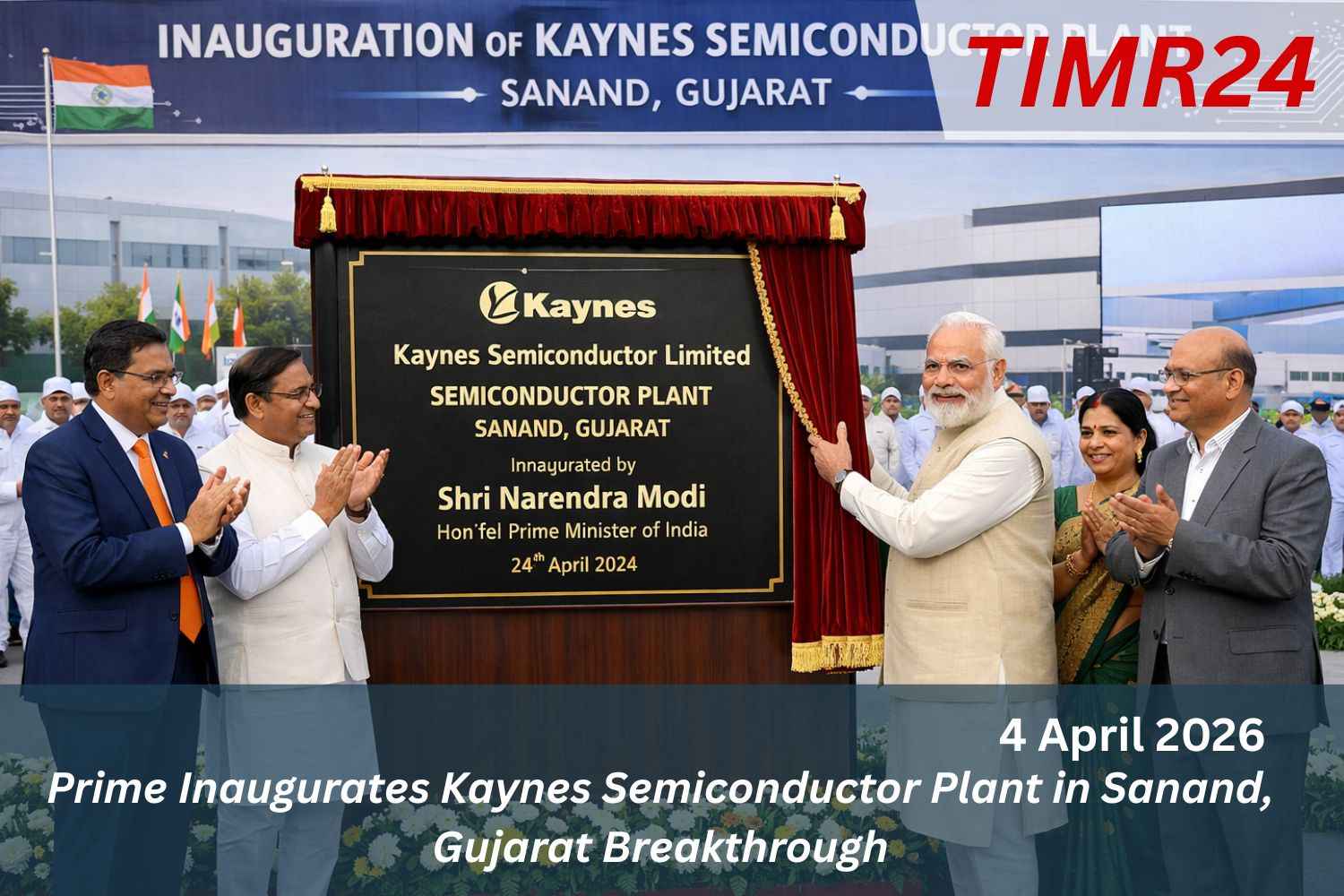




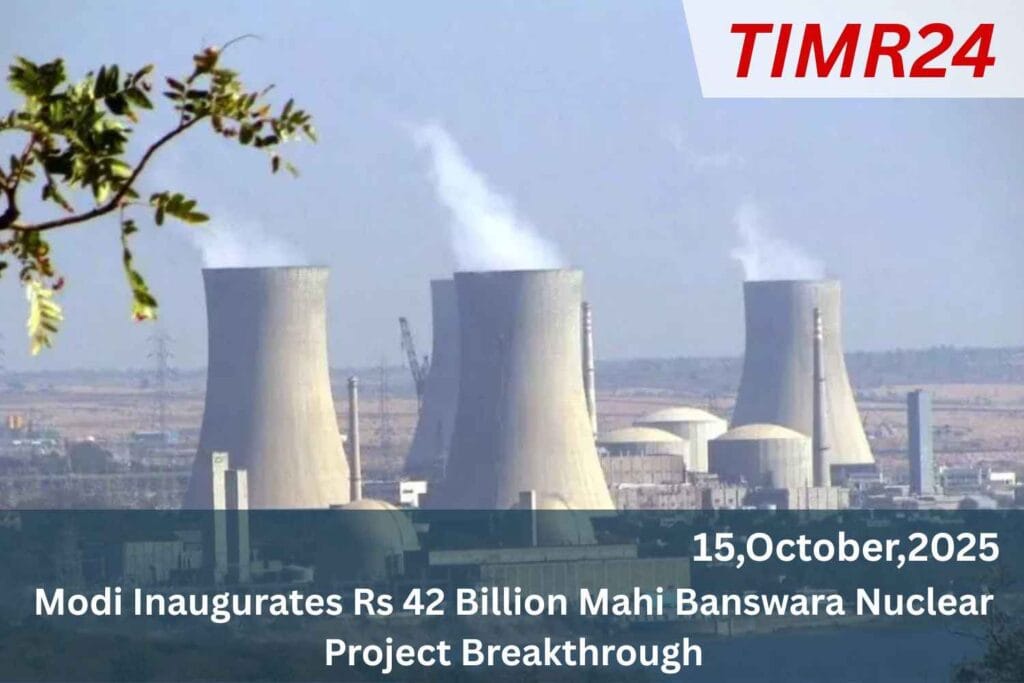
The Modi Banswara Rajasthan Atomic Power Project (MBRAPP), developed by a joint venture between NPCIL and NTPC, is set to be one of India’s largest nuclear plants, with an estimated investment of Rs 420 billion. Prime Minister Narendra Modi inaugurated the project alongside other energy projects worth over Rs 510 billion in Rajasthan. The project is expected to enhance India’s nuclear energy capacity, provide clean, affordable, and reliable power, create substantial employment opportunities, and stimulate local economic growth. The projects represent an investment of over Rs 92 billion in Rajasthan’s renewable energy sector.
The inauguration of the Mahi Banswara Nuclear Project by Prime Minister Narendra Modi represents a significant milestone in India’s pursuit of energy security and sustainable development. Valued at ₹42 billion, this nuclear power initiative is located in Banswara, Rajasthan, a region chosen for its strategic significance in meeting the growing electricity demands of western India. The project reflects India’s ongoing commitment to expanding its nuclear energy infrastructure while reducing dependency on fossil fuels and mitigating environmental impact. By integrating advanced nuclear technology, the Mahi Banswara project aligns with global efforts toward carbon neutrality and the adoption of clean energy solutions. It also serves as a testament to India’s technological.
Capabilities in managing large-scale energy projects safely and efficiently The plant’s construction involves the deployment of state-of-the-art reactors, designed to operate under stringent safety protocols. Safety and environmental management have been key considerations during the planning and implementation stages. With robust measures in place, the project ensures minimal ecological disruption while meeting the energy needs of the region. The inclusion of modern reactor technology not only enhances the plant’s operational efficiency but also provides a platform for advanced research in nuclear energy, positioning India as a leading player in the global.
Nuclear sector. Additionally, the project complements India’s broader energy strategy, which aims to diversify power generation sources, balancing nuclear, solar, wind, and other renewable energy forms Economically, the Mahi Banswara Nuclear Project is expected to generate employment across multiple sectors. During the construction phase, thousands of jobs are being created for engineers, technical staff, construction workers, and ancillary service providers. Once operational, the plant will continue to provide skilled employment opportunities, contributing to local and regional economic development. Infrastructure improvements associated with the project, including roads.
Logistics, and community services, are anticipated to benefit surrounding areas. Local communities will gain better access to electricity, fostering industrial growth and improving quality of life, which aligns with the government’s commitment to inclusive development and sustainable regional advancement From a national perspective, the project is a strategic addition to India’s nuclear energy portfolio. It strengthens energy security by providing a reliable and continuous source of electricity that can complement intermittent renewable sources like solar and wind. This stability is crucial for industrial hubs and urban centers that rely on consistent power supply. Moreover.
The project supports India’s net-zero carbon emission goals, helping the country meet its climate commitments under international frameworks. By investing in nuclear technology, India can reduce its reliance on coal and other fossil fuels, decreasing greenhouse gas emissions and contributing to a cleaner environment. This approach is in line with the recommendations and guidelines of the (Energy) and reflects India’s proactive stance in adopting sustainable energy policies Technologically, the Mahi Banswara plant represents a fusion of innovation and efficiency. The reactors are equipped with advanced safety features, automated monitoring systems, and emergency.
Response mechanisms These technologies ensure the plant operates smoothly while minimizing risks to personnel and the surrounding environment. Research initiatives associated with the project are also encouraging the development of next-generation nuclear technologies, including safer fuel cycles and improved waste management solutions. India’s growing expertise in nuclear technology not only addresses domestic energy requirements but also positions the country as a contributor to global nuclear research and collaboration. Interested readers can explore further insights into nuclear energy development via and international research platforms like.
The inauguration of the project also has important social implications. By enhancing energy availability in Rajasthan and neighbouring states, the Mahi Banswara Nuclear Project contributes to educational, healthcare, and industrial development. Reliable electricity is critical for powering schools, hospitals, and small-to-medium enterprises, which are the backbone of local economies. The government has emphasized community engagement throughout the project, ensuring that development is inclusive and benefits local populations. Initiatives such as skill development programs, vocational training for nuclear plant operations, and safety awareness workshops are being implemented to prepare the workforce and foster long-term regional growth.
In terms of environmental sustainability, the project’s design emphasizes low emissions, efficient resource utilization, and minimal land footprint. Unlike conventional thermal power plants that rely heavily on coal and produce significant greenhouse gas emissions, nuclear power provides a cleaner and more stable alternative. The Mahi Banswara Nuclear Project will significantly contribute to India’s renewable energy targets while complementing solar and wind energy initiatives. It reflects a holistic approach where energy production, environmental protection, and economic development are integrated to ensure long-term sustainability. Readers seeking detailed information on clean energy.
Initiatives can explore (India Renewable Energy) or refer to internal content on nuclear power projects in India and sustainable energy initiatives The strategic implications of the Mahi Banswara Nuclear Project extend to India’s position in global energy geopolitics. By expanding its nuclear energy capabilities, India can reduce reliance on imported fossil fuels and enhance its negotiating power in international energy markets. Additionally, it demonstrates India’s commitment to technological excellence, safety, and responsible energy management. The successful implementation of such a high-investment nuclear project sends a strong signal to investors and international.
Partners regarding India’s capability to undertake large-scale, technologically sophisticated infrastructure projects Looking forward, the project is expected to be completed in phases, with full operational capacity achieved over the next few years. Each phase will incorporate lessons learned from earlier implementations, ensuring maximum efficiency and safety. Once operational, the Mahi Banswara Nuclear Project will serve as a benchmark for future nuclear developments in India, influencing policy, technological choices, and investment decisions. Internal links to explore include which provide readers with comprehensive context and updates on India’s energy landscape.
In conclusion, the ₹42 billion Mahi Banswara Nuclear Project stands as a landmark achievement in India’s energy history. Its inauguration by PM Modi not only underscores India’s commitment to clean and sustainable energy but also highlights the nation’s technological prowess, economic foresight, and social responsibility. By providing reliable electricity, generating employment, and supporting environmental sustainability, the project reinforces India’s vision of achieving energy security and sustainable growth. It reflects a harmonious integration of policy, technology, and community development, making it a pivotal addition to India’s nuclear energy framework and a model for future energy projects nationwide.
Q1 What is the Mahi Banswara Nuclear Project?
It is a ₹42 billion nuclear power initiative aimed at generating sustainable energy in Rajasthan.
Q2 Who inaugurated the project?
Prime Minister Narendra Modi inaugurated the Mahi Banswara Nuclear Project.
Q3 What is the expected capacity of the plant?
The plant is expected to generate significant electricity, contributing to India’s nuclear energy targets.
Q4 When will the project be fully operational?
The project is expected to be completed and operational in the next few years, with phased implementation.
Q5 How will it benefit India?
It will boost energy security, create jobs, and support India’s clean energy and carbon neutrality goals.