









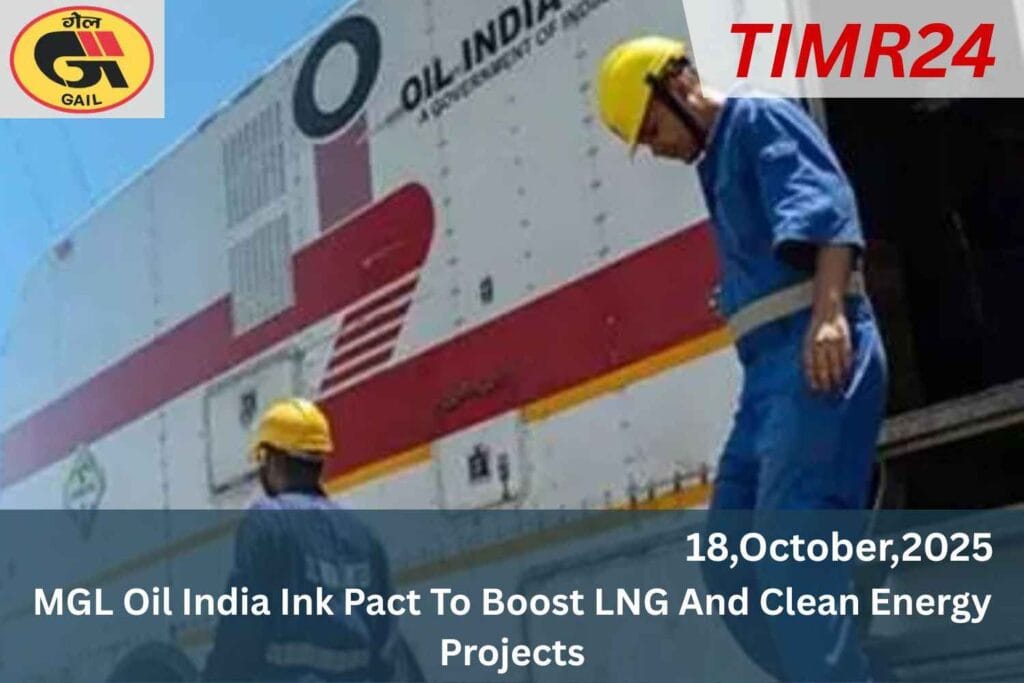
Mahanagar Gas Limited (MGL) and Oil India Limited (OIL) have signed a Memorandum of Understanding (MoU) to explore business opportunities in the LNG value chain and emerging clean energy domains. MGL operates LNG retail stations and is expanding its portfolio of clean energy initiatives. OIL is advancing an extensive hydrocarbon exploration and development programme, with plans to increase gas production and expand its clean energy roadmap. The partnership aims to accelerate the adoption of cleaner fuels in the long-haul transport sector and contribute to India’s clean energy transition. In a significant stride towards India’s energy transition, Mahanagar.
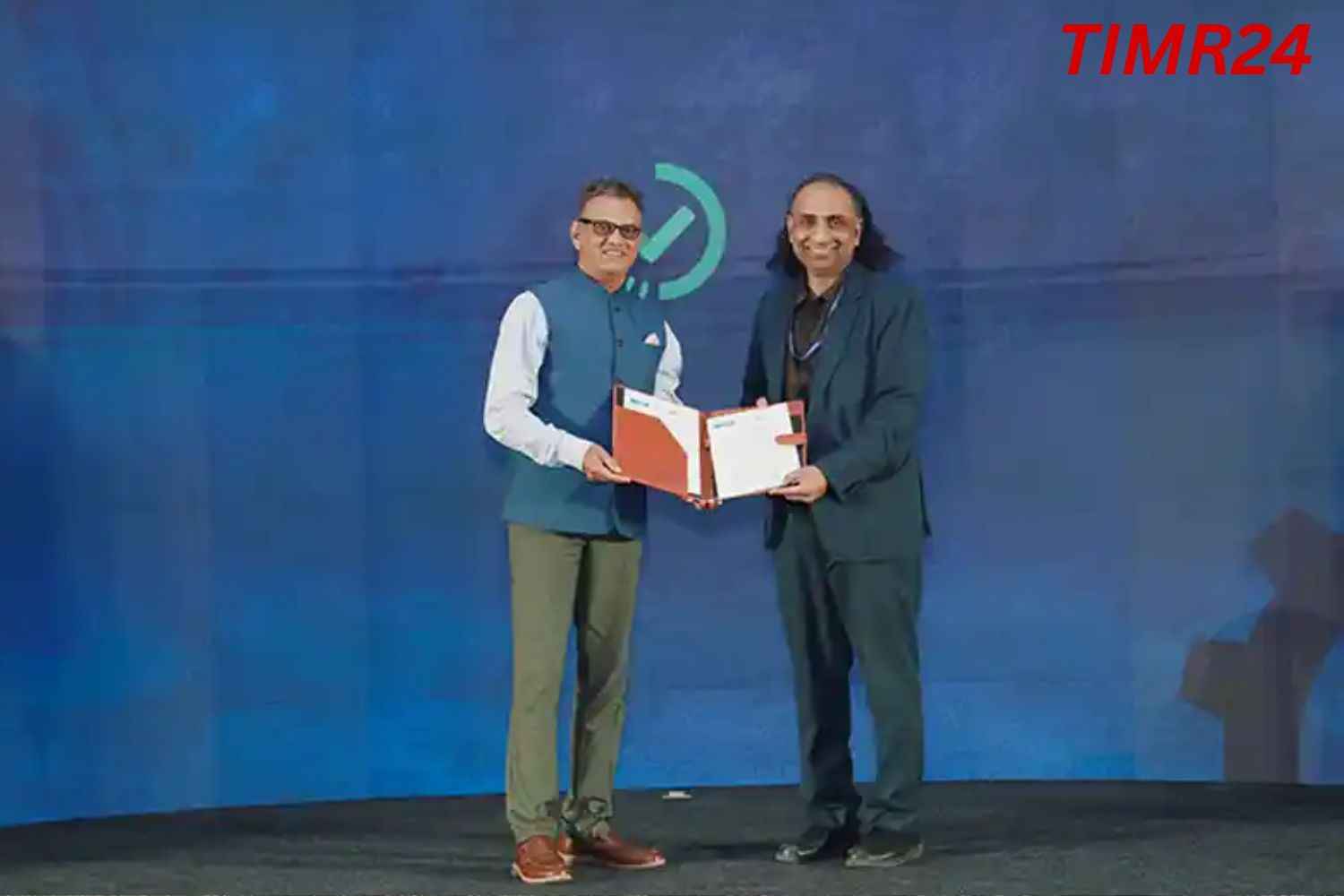
Gas Limited (MGL) and Oil India Limited (OIL) have entered into a Memorandum of Understanding (MoU) to collaborate on Liquefied Natural Gas (LNG) and clean energy projects. Signed on October 6, 2025, this partnership underscores the commitment of both public sector enterprises to advance the nation’s shift towards sustainable and low-carbon energy solutions The MoU outlines a collaborative framework where MGL and OIL will jointly explore opportunities across the LNG value chain and emerging clean energy sectors. This includes assessing the feasibility of LNG applications in heavy-duty transport and other industrial uses, thereby facilitating the development of LNG.
And clean fuel infrastructure. The partnership aims to promote cleaner fuels in transport and explore clean energy projects, aligning with India’s broader energy transition goals (Energy) Mahanagar Gas Limited, a leading City Gas Distribution company in India, has successfully ventured into the LNG value chain. The company currently operates LNG retail stations and is expanding its portfolio of clean energy initiatives. This includes investments in battery manufacturing facilities and compressed biogas (CBG) production plants, reflecting MGL’s commitment to diversifying its energy offerings and supporting India’s push towards sustainable and renewable energy solutions.
OIL’s Commitment to Gas Production and Clean Energy
Oil India Limited, a Maharatna public sector enterprise, is advancing an extensive hydrocarbon exploration and development programme. The company plans to significantly increase gas production and expand its clean energy roadmap. OIL’s focus is on assessing the technical and commercial viability of LNG in heavy-duty transport and scaling up feasible pilots, thereby contributing to the adoption of cleaner fuels in the long-haul transport sector The collaboration between MGL and OIL is poised to accelerate the adoption of LNG in long-haul transport, enabling corporates to shift towards greener logistics and reduce their pollution footprint. This partnership supports India’s.
Broader energy transition goals by facilitating cooperation in developing LNG and clean fuel infrastructure and jointly exploring new opportunities in the energy transition The strategic alliance between Mahanagar Gas Limited and Oil India Limited marks a significant milestone in India’s journey (Oil) towards a sustainable energy future. By leveraging their respective strengths in LNG and clean energy initiatives, both companies are set to play a pivotal role in advancing the nation’s transition to low-carbon energy solutions. This partnership not only enhances the LNG value chain but also contributes to the broader objective of achieving a cleaner and more sustainable energy landscape in India.
Q1. What is the MGL Oil India partnership about?
The partnership focuses on developing LNG and clean energy projects to support India’s sustainable energy goals.
Q2. How will this collaboration benefit India’s energy transition?
It will enhance the availability of cleaner fuels, reduce emissions, and create new opportunities in renewable energy sectors.
Q3. What clean energy technologies will be explored?
The partnership includes projects in LNG, hydrogen, bio-CNG, and renewable power generation.
Q4. Will this partnership help reduce India’s carbon footprint?
Yes, both companies aim to promote eco-friendly energy alternatives and lower the dependence on fossil fuels.
Q5. How does this partnership align with India’s net-zero target?
It supports the government’s target of achieving net-zero emissions by 2070 through cleaner energy initiatives.