

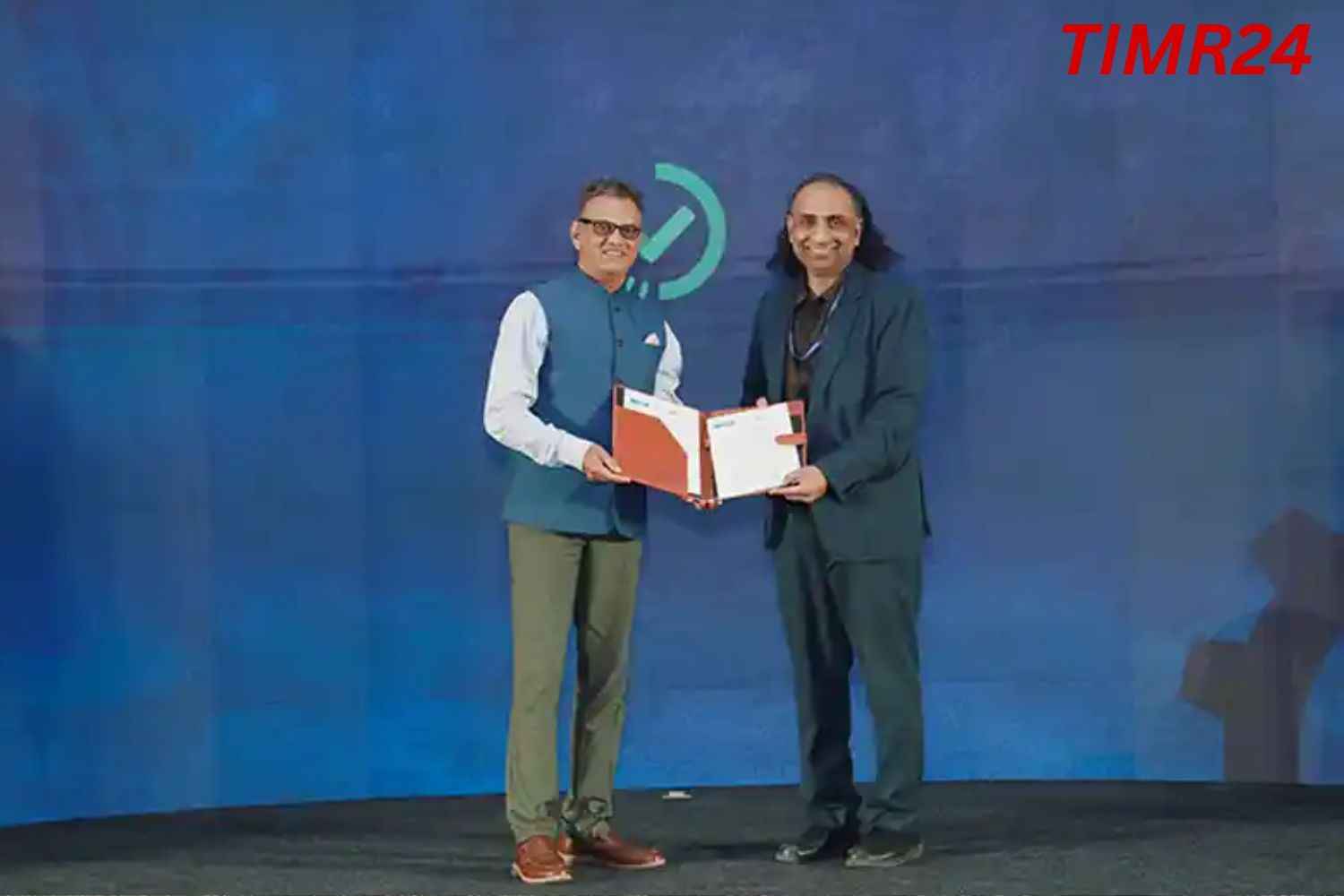










Lloyds Metals and Energy Limited has signed a non-binding memorandum of understanding (MoU) with Tata Steel Limited to explore a strategic partnership in areas such as raw material mining, logistics, pellet production, and steelmaking. The collaboration aims to enhance operational synergies and evaluate cooperation across the steel value chain, including projects for greenfield steelmaking and iron ore mining. Both companies will focus on potential opportunities in Maharashtra’s Gadchiroli district to boost iron ore output and support regional development. Additionally, Tata Steel has acquired a 50.01% stake in Brahmani River Pellet Limited, which includes.
Lloyds Metals & Energy Limited
A pellet plant and slurry pipeline in Odisha. Tata Steel is one of (India) the largest steel producers globally, while Lloyds Metals is a key player in Maharashtra’s mining and metals sector, noted for operating the country’s largest iron ore mine Lloyds Metals & Energy Limited and Tata Steel have taken a significant step toward strengthening India’s steel and mining ecosystem by signing a Memorandum of Understanding for a strategic partnership, a move that reflects the evolving dynamics of the domestic steel value chain and the growing emphasis on long-term resource security. This collaboration comes at a time when India’s steel sector is witnessing accelerated.
Such as self-reliance and sustainable industrial development The MoU between Lloyds Metals and Tata Steel focuses on exploring opportunities across iron ore sourcing, beneficiation, and downstream integration, enabling both companies to leverage their respective strengths. Lloyds Metals, known for its mining operations and iron ore assets, brings raw material expertise and resource access to the table, while Tata Steel contributes decades of experience in steelmaking, technological innovation, and global-scale operations. By combining mining capabilities with steel manufacturing excellence, the partnership is designed to enhance supply chain efficiency.
Expanding Production Footprint
And mitigate risks associated with raw material volatility, an issue that has increasingly impacted steel producers worldwide From a strategic perspective, the collaboration underscores Tata Steel’s continued focus on securing high-quality iron ore supplies to support its expanding production footprint in India. With steel demand closely tied to infrastructure growth, housing, and capital goods manufacturing, ensuring uninterrupted access to raw materials is critical. This aligns with India’s ambitious infrastructure pipeline, which includes highways, railways, ports, and urban redevelopment potentially unlocking new growth avenues beyond traditional mining operations.
The partnership gains further significance when viewed in the context of India’s mining reforms and policy push to enhance domestic mineral production. Government initiatives aimed at streamlining mining approvals, encouraging private participation, and improving logistics connectivity have reshaped the operating environment for mining companies. By collaborating with a major steel producer like Tata Steel, Lloyds Metals can align its mining strategy with long-term industrial demand, reducing exposure to cyclical fluctuations Sustainability is another key dimension of the Lloyds Metals–Tata Steel MoU. Both companies have publicly committed to.
Decarbonisation Initiatives Complement
Responsible mining and sustainable manufacturing practices, and the partnership offers a platform to implement best-in-class environmental standards across the value chain. Tata Steel’s global leadership in sustainability and decarbonisation initiatives can complement Lloyds Metals’ mining operations, ensuring that resource extraction aligns with environmental and social governance norms Economically, the strategic partnership is expected to generate positive ripple effects across employment, regional development, and allied industries. Mining-led industrial clusters often catalyse infrastructure development, logistics investments, and skill creation.
Particularly in resource-rich regions. With Lloyds Metals’ mining assets and Tata Steel’s industrial scale, the collaboration has the potential to create a stable ecosystem that supports local economies while meeting national production targets. This becomes increasingly relevant as India positions itself as a global manufacturing hub under initiatives like Make in India and Atmanirbhar Bharat From a corporate standpoint, the MoU reflects a broader trend of strategic alliances within India’s metals sector, where companies are increasingly opting for collaboration over standalone expansion. Rising capital costs, environmental compliance requirements, and supply.
Resource Security And Strategic
Chain complexities have made partnerships a preferred route to scale and resilience. By pooling expertise and resources, Lloyds Metals and Tata Steel can pursue growth opportunities with greater efficiency and reduced risk, setting a precedent for future collaborations within the sector The market response to such partnerships is also noteworthy, as investors tend to view long-term resource security and strategic alignment favourably. For Tata Steel, the MoU strengthens confidence in its domestic operations by reinforcing raw material integration, while for Lloyds Metals, association with one of India’s most respected steelmakers enhances credibility and growth.
Over time, this collaboration could evolve into more concrete agreements covering supply contracts, joint projects, or technology sharing, depending on feasibility assessments and market conditions On the policy front, the MoU aligns closely with the government’s vision of creating integrated steel value chains that are globally competitive. India aims to significantly increase its steel production capacity over the coming decades, and such partnerships play a crucial role in bridging the gap between mineral availability and finished steel output. Institutions and policymakers often highlight the importance of collaboration between miners and steel producers.
Resource Utilisation, Reduce Environmental
In the long term, the Lloyds Metals–Tata Steel partnership could serve as a model for balancing growth with sustainability in resource-intensive industries. By integrating mining and steelmaking strategies, both companies can optimise resource utilisation, reduce environmental impact, and enhance operational resilience. As global steel markets face increasing scrutiny over carbon emissions and supply chain ethics, such integrated and responsible approaches are likely to define competitive advantage The MoU signed by Lloyds Metals and Tata Steel marks more than just a corporate agreement; it represents a strategic alignment that addresses some.
The most pressing challenges and opportunities facing India’s steel and mining sectors. By strengthening raw material security, promoting sustainable practices, and supporting national industrial goals, the partnership stands to contribute meaningfully to India’s economic (India) and infrastructure-driven growth story. As the collaboration progresses, it will be closely watched by industry stakeholders, policymakers, and investors alike, given its potential to reshape how mining and steelmaking partnerships are structured in the country.
Q1. What is the purpose of the Lloyds Metals–Tata Steel MoU?
The MoU aims to explore strategic collaboration in iron ore sourcing and value chain integration.
Q2. How does this partnership benefit Tata Steel?
It strengthens raw material security and supports long-term domestic steel production.
Q3. What does Lloyds Metals gain from the agreement?
Access to downstream integration opportunities and alignment with stable industrial demand.
Q4. Does the MoU focus on sustainability?
Yes, both companies emphasize responsible mining and sustainable manufacturing practices.
Q5. Why is this MoU important for India’s steel sector?
It supports self-reliance, supply chain stability, and infrastructure-led growth.