










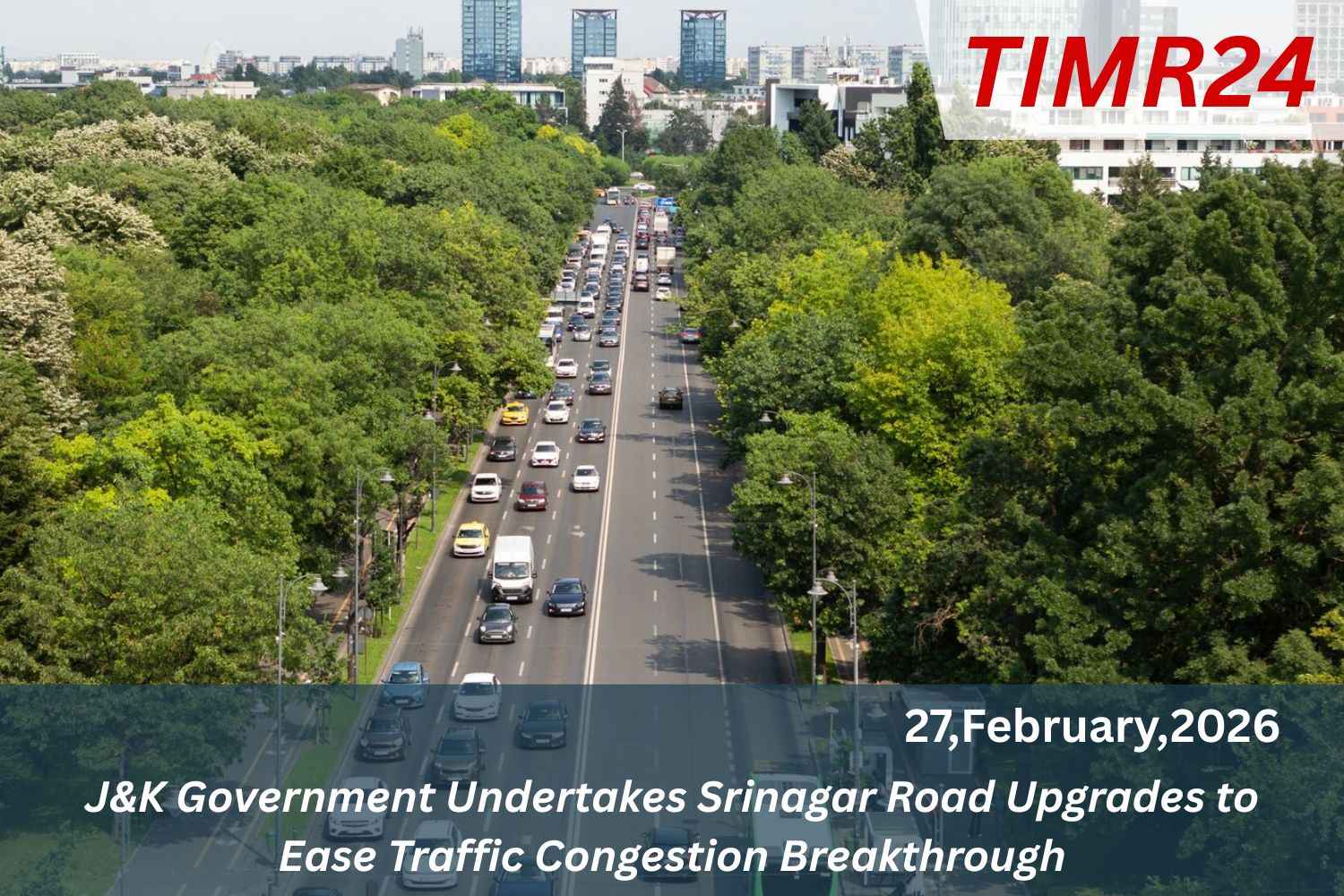

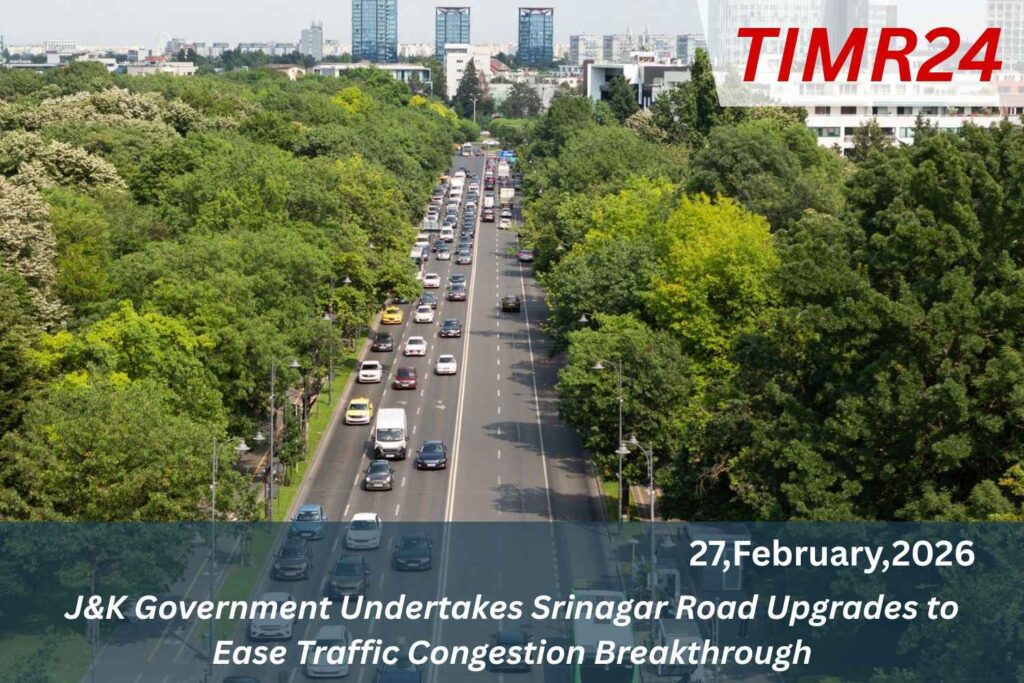
The J&K government has launched various road and corridor improvement projects in Srinagar to alleviate traffic congestion and facilitate smoother movement for emergency vehicles. These upgrades, which include resurfacing, strengthening, and junction remodeling, are rolled out in phases under infrastructure schemes. Notable projects include the Nowshera–Soura KZP Road, Saida Kadal Ashaibagh SMS Road, Devi Angan–Hawal road, and enhancements at Alamgiri Bazar Chowk and Mirza Kamil Sahib Chowk corridors The Government of Jammu and Kashmir has initiated a comprehensive road infrastructure upgrade project across Srinagar with the objective of addressing.
J&K Vehicle Ownership Over The Past Decade
The growing challenge of traffic congestion and improving urban mobility in the region. As the summer capital and one of the most prominent urban centers in northern India, Srinagar has witnessed rapid urbanization, population growth, and a significant rise in vehicle ownership over the past decade. These developments have placed considerable pressure on the city’s existing transport infrastructure, resulting in frequent traffic bottlenecks, longer commuting times, and increasing environmental concerns. The latest initiative represents a strategic effort by authorities to modernize road networks, enhance traffic management systems, and create a more efficient transportation ecosystem.
That supports sustainable urban growth The project focuses on widening major arterial roads, redesigning key intersections, strengthening road surfaces, and improving drainage systems to ensure long-term durability and safety. Many of Srinagar’s roads were originally designed to handle significantly lower traffic volumes, making them inadequate for current transportation demands. By expanding road capacity and redesigning traffic flow patterns, authorities aim to reduce congestion in high-density areas such as commercial zones, residential corridors, and tourist routes. The initiative also includes the development of alternative routes and bypass systems.
Residents While Supporting Economic
That will divert heavy vehicles away from central city areas, thereby reducing pressure on urban roads and improving overall traffic efficiency. These improvements are expected to significantly enhance daily commuting experiences for residents while supporting economic activities and tourism in the region Urban planners involved in the project emphasize the integration of modern traffic management technologies to optimize road usage and minimize delays. Intelligent traffic signals, improved signage, and real-time monitoring systems are being introduced to streamline vehicle movement and enhance road safety. Such measures are designed to create.
A smarter transportation framework that responds dynamically to traffic conditions and helps authorities manage congestion more effectively. The use of advanced monitoring technologies also enables better coordination among traffic enforcement agencies, ensuring quicker response to incidents and reducing disruptions on major routes In addition to improving traffic flow, the road upgrade project seeks to enhance pedestrian infrastructure and promote safer mobility options for all users. Dedicated pedestrian pathways, improved crossings, and better street lighting are being incorporated to reduce accident risks and encourage walkability.
Regulated Roadside Zones Further Supports
These features reflect a broader commitment to inclusive urban development, where infrastructure serves not only motorists but also pedestrians and public transport users. The development of organized parking spaces and regulated roadside zones further supports efficient traffic management by preventing unauthorized parking that often contributes to congestion. Such integrated planning ensures that infrastructure upgrades deliver long-term benefits and improve the quality of life for residents across the city The economic implications of the project are equally significant, as improved road connectivity is expected to facilitate business operations, boost trade, and enhance tourism potential in Srinagar.
Efficient transportation networks play a crucial role in supporting regional development by enabling faster movement of goods and services, reducing logistical costs, and attracting investment. As Srinagar continues to grow as a commercial and tourist hub, modern infrastructure will strengthen its competitiveness and support sustainable economic expansion. The road upgrades also contribute to employment generation during the construction phase, providing opportunities for local workers and supporting the regional economy. Infrastructure-led growth has been widely recognized as a key driver of development, and the current initiative reflects this broader national strategy.
Affecting Public Health And Environmental
Environmental sustainability is another important aspect of the project, as authorities aim to reduce vehicle emissions and improve air quality by minimizing traffic congestion. Prolonged traffic jams not only increase fuel consumption but also contribute to higher levels of pollution, affecting public health and environmental conditions. By improving traffic flow and reducing idle time for vehicles, the project supports cleaner urban environments and aligns with national sustainability goals. Enhanced drainage systems and improved road construction materials further contribute to environmental resilience by reducing damage caused by extreme.
Weather conditions and ensuring infrastructure longevity The implementation of the project follows a phased approach to minimize disruption to daily life and ensure efficient execution. Construction activities are being carefully scheduled, and traffic diversion plans are (India) being implemented to maintain mobility during the upgrade process. Authorities have also engaged with local communities and stakeholders to address concerns and ensure smooth project implementation. Public awareness campaigns and regular updates help residents stay informed about road closures, alternative routes, and project progress, fostering cooperation and transparency throughout the development process.
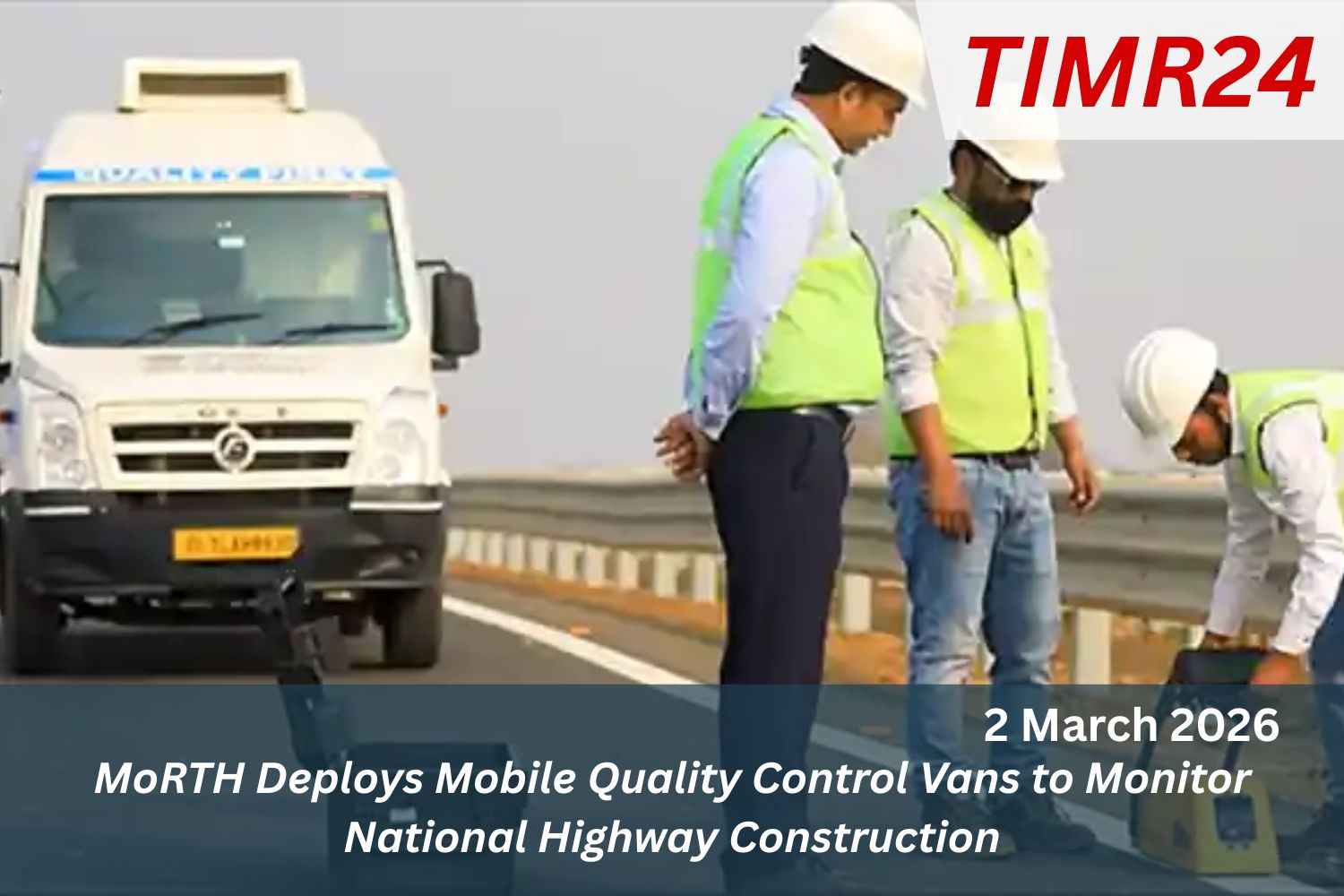
Collaboration with national infrastructure agencies and adherence to established standards play a crucial role in ensuring the project’s success. Guidelines and technical frameworks provided by the Ministry of Road Transport and Highways and the National Highways Authority of India help maintain quality, safety, and efficiency in road construction and maintenance. These standards ensure that upgraded infrastructure meets national benchmarks and delivers reliable performance over the long term. The adoption of best practices in engineering, design, and project management reflects the government’s commitment to building resilient infrastructure that supports future urban growth.
Well Connected, Accessible, And Sustainable
The long-term vision behind the Srinagar road upgrade initiative extends beyond immediate traffic management to encompass comprehensive urban transformation. By investing in modern infrastructure, authorities aim to create a well-connected, accessible, and sustainable city that supports economic development and improves living standards. The project aligns with broader efforts to strengthen regional connectivity, enhance public services, and promote balanced urban expansion. As cities across India face similar challenges related to rapid urbanization and increasing mobility demands, initiatives such as this serve as important models for sustainable infrastructure development.
Overall, the road upgrade program undertaken by the Government of Jammu and Kashmir represents a significant step toward addressing urban transportation challenges in Srinagar. Through strategic planning, technological integration, and infrastructure modernization, the initiative seeks to reduce congestion, improve safety, and enhance connectivity across the city. The project’s focus on sustainability, economic growth, and community engagement highlights.
A holistic approach to urban development that prioritizes long-term benefits for residents and businesses alike. As implementation progresses, the initiative is expected to (India) transform Srinagar’s transportation landscape and establish a strong foundation for future growth, demonstrating the vital role of infrastructure in shaping resilient and prosperous urban environments.
Q1. Why is the Srinagar road upgrade project being implemented?
The project aims to reduce traffic congestion, improve mobility, and modernize urban infrastructure in Srinagar.
Q2. Which areas are included in the road upgrade plan?
Major junctions, arterial roads, bypass routes, and high-traffic corridors across Srinagar are included.
Q3. Who is executing the project?
The Government of Jammu and Kashmir is implementing the project with support from urban planning and infrastructure agencies.
Q4. How will the project benefit residents?
It will reduce travel time, improve road safety, enhance connectivity, and support economic growth.
Q5. When will the project be completed?
The upgrades are being implemented in phases, with completion timelines depending on project stages.