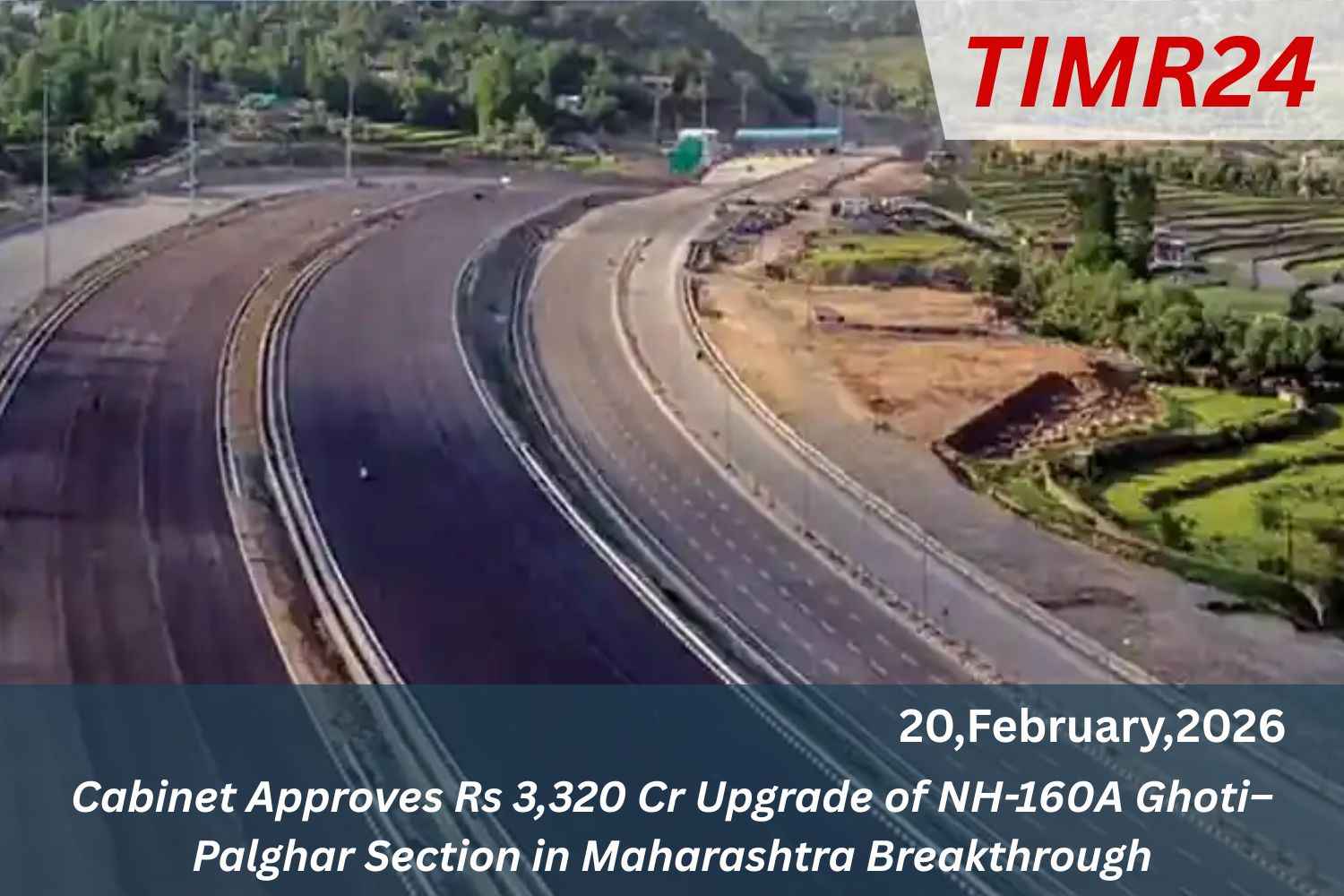
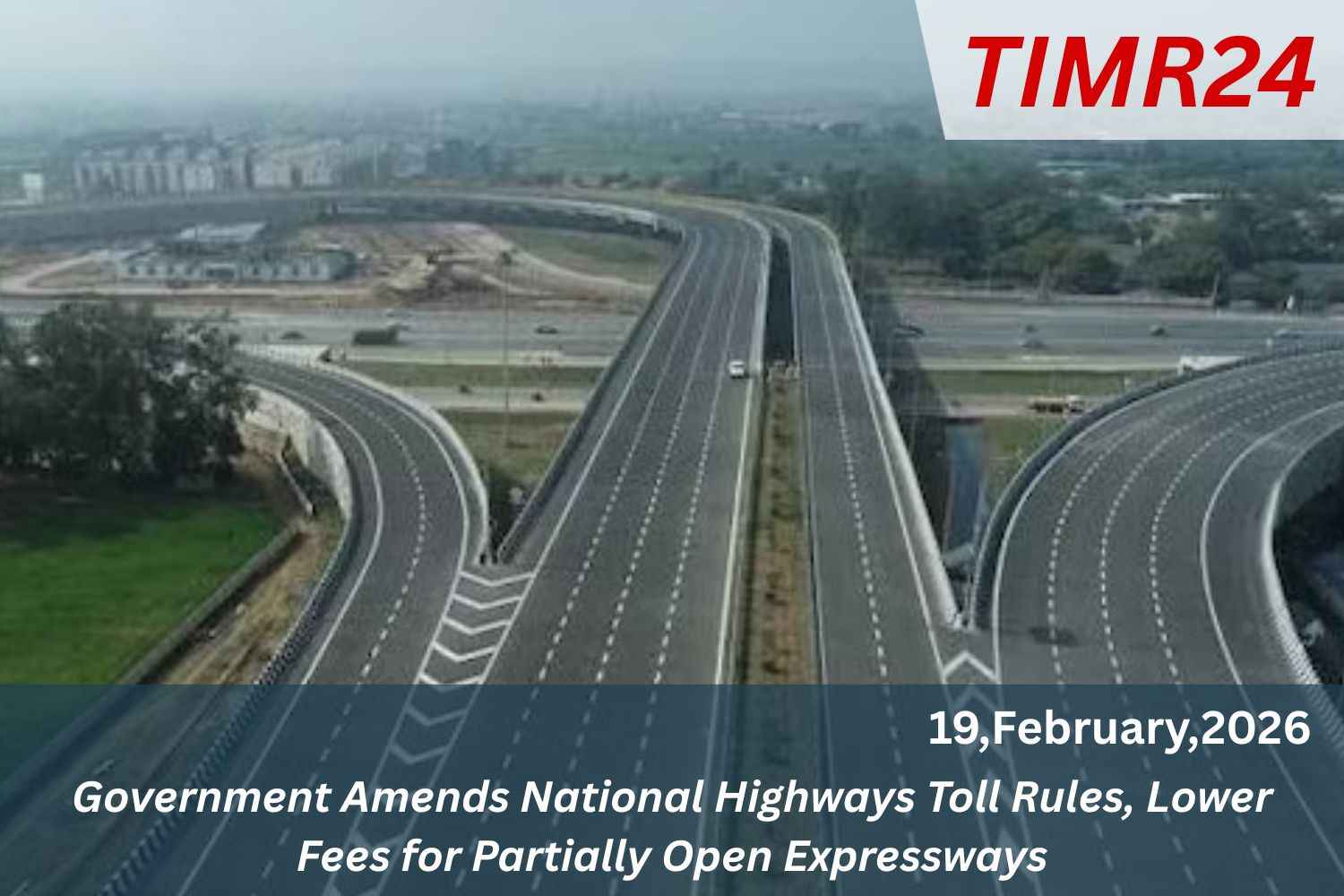



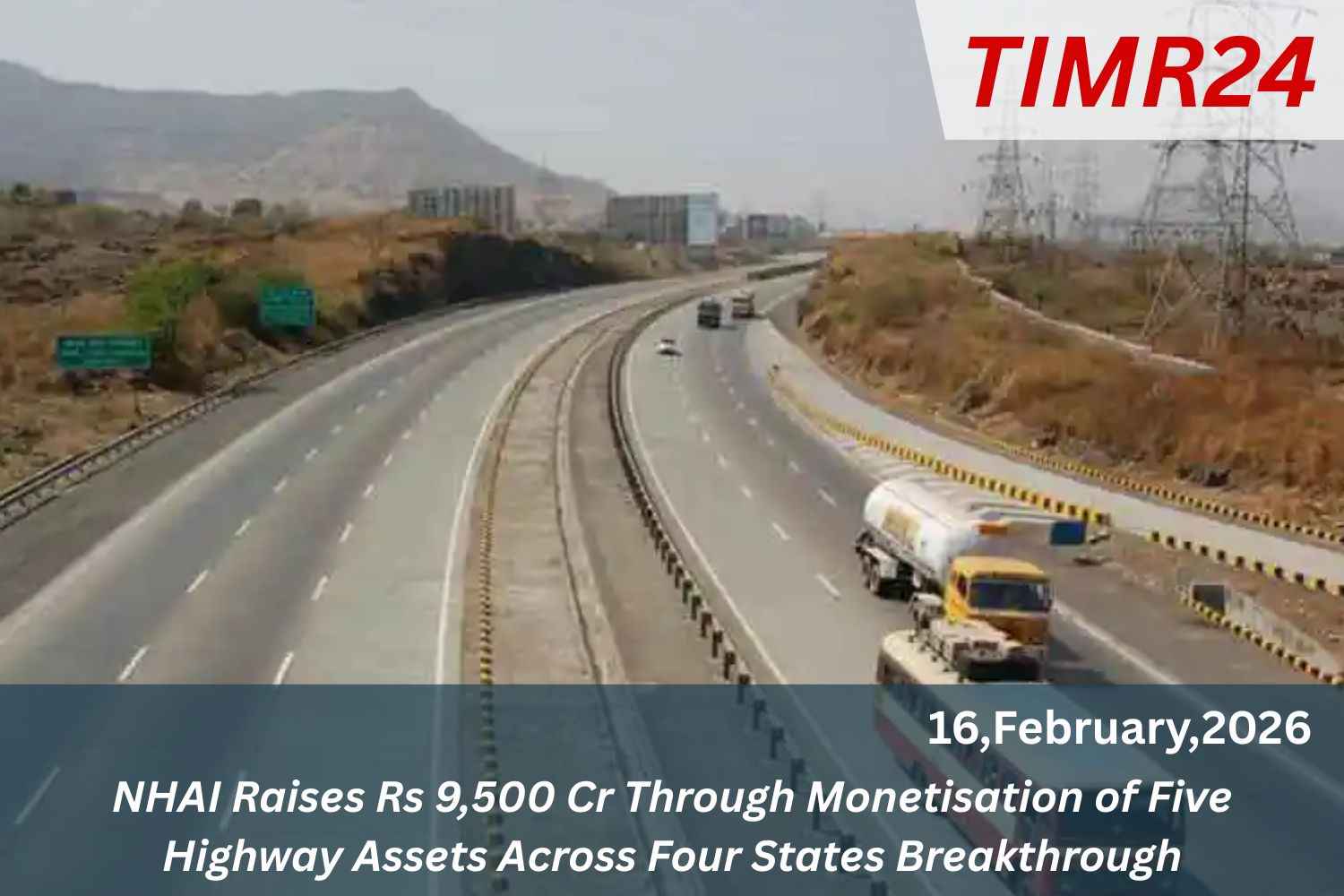


In its first highway monetisation deal of the financial year, IRB Infrastructure Developers Ltd has secured the highest bid of Rs 92 billion for a 333.4-kilometre highway network in Uttar Pradesh under the NHAI’s Toll Operate Transfer (TOT) model. This reflects renewed investor interest in operational highways with significant toll collection potential. The deal includes key segments linking Lucknow to Ayodhya, Ayodhya to Gorakhpur, and Lucknow to Sultanpur. NHAI has increased its asset monetisation target for FY 2025–26 to Rs 400 billion, expecting Rs 150 billion from TOT and Infrastructure Investment Trust (Invite) routes. Additionally.
NHAI has opened bids for five more highway packages, projecting ongoing monetization activity in the coming months. The TOT model allows bidders to collect (IRB) tolls for a 20-year concession, with funds directed towards new infrastructure development, highlighting the confidence in India’s highway monetisation framework India’s infrastructure landscape continues to evolve with dynamic public-private partnerships and large-scale investments. One of the most significant recent developments in this space is IRB Infrastructure Developers Ltd. securing a massive Rs 92 billion highway monetisation project, marking another milestone in the country’s asset monetisation.
Program under the National Highways Authority of India (NHAI). The move underscores India’s commitment to enhancing road quality, improving logistics efficiency, and fostering private participation in long-term infrastructure development The National Highways Authority of India has been actively working to monetise operational highway assets to generate funds for upcoming projects. This initiative is a part of the National Monetisation Pipeline (NMP), launched by the Government of India to leverage private sector efficiency and investment capacity Under this program, NHAI identifies high-traffic, operational highways and offers.
Them for concession to private developers for a specified period. The developers are responsible for maintenance, toll collection, and ensuring improved user experience. The proceeds from monetisation are then reinvested in new highway projects, thereby creating a cyclical model of infrastructure funding The Rs 92 billion project won by IRB Infrastructure is among the largest bids under this scheme, reaffirming investor confidence in India’s road sector. The asset in question involves some of the most commercially viable highway stretches, ensuring stable toll revenues and high return potential for the concessionaire.
About IRB Infrastructure Developers A Leader in Road Concessions
IRB Infrastructure Developers has long been one of India’s most prominent players in the road construction and concession space. With a strong portfolio of Build-Operate-Transfer (BOT), Hybrid Annuity Model (HAM), and Toll-Operate-Transfer (TOT) projects, IRB has consistently demonstrated operational excellence and financial discipline The company’s latest win reinforces its leadership position, as it continues to expand its footprint across India’s strategic corridors. Over the years, IRB has executed projects connecting major cities like Mumbai, Pune, Ahmedabad, Jaipur, and Surat, contributing significantly to regional connectivity and economic growth.
This new concession deal not only strengthens IRB’s revenue base but also aligns with its long-term strategy to build a diversified and sustainable portfolio of toll assets The Rs 92 billion bid covers multiple highway stretches under NHAI’s monetisation plan. These corridors are vital for national freight movement and passenger transport, connecting industrial hubs and logistics centers. The total concession period typically ranges from 20 to 30 years, giving the concessionaire ample scope for recovery and profitability IRB’s successful bid highlights its ability to mobilise large-scale funding and manage long-term projects efficiently.
The monetisation model ensures that while the government retains ownership of the asset, the concessionaire handles operations and maintenance, thereby improving road quality without burdening public finances According to sector experts, this transaction will set a benchmark for future bids, encouraging more private players to participate in India’s road monetisation pipeline The Toll-Operate-Transfer (TOT) model, under which this project falls, has become a cornerstone of India’s infrastructure monetisation efforts. Under TOT, the government auctions already operational highways to private entities who pay an upfront fee and, in return, collect tolls for a defined period.
This model offers dual benefits :-
For the government, it generates immediate funds without taking on debt.
For the private partner, it offers a predictable cash flow and a chance to apply efficient management techniques to enhance toll revenues.
Previous TOT rounds have attracted global infrastructure investors such as Macquarie, Cube Highways, and Brookfield, highlighting the growing international interest in India’s infrastructure story The success of the IRB bid underlines how Indian developers are now equally capable of competing with global players on financing, management, and operational standards.
Economic and Logistical Impact of the Project
The impact of this project extends far beyond corporate gains. Improved highway conditions lead to reduced travel time, lower fuel consumption, and enhanced road safety. The monetised highways often witness major upgrades, including better toll systems, maintenance facilities, and traffic management technology For India’s logistics and transport sector, such projects are transformative. Efficient highways reduce freight costs, which in turn benefits industries like manufacturing, retail, and agriculture. Furthermore, smoother connectivity between cities contributes to regional economic integration, boosting local employment and trade.
IRB’s Broader Vision and Future Projects
IRB was among the first companies to launch an infrastructure trust, creating a new funding avenue for long-term projects This initiative complements other major government efforts such as the Bharatmala Pariyojana, which aims to develop a network of high-speed corridors across the country The success of projects like IRB’s Rs 92 billion deal is heavily supported by government reforms that promote transparency and ease of doing business. The NHAI’s efforts to streamline bidding processes, ensure financial viability, and introduce digital tolling systems have made India’s road sector highly attractive to private investors Additionally, policy frameworks like INVITs.
Infrastructure Investment Trusts have further enabled developers to recycle capital by monetising completed projects and reinvesting in new ones This win is a stepping stone toward IRB’s larger vision of becoming a globally recognised infrastructure developer. The company plans to continue expanding under both public-private partnership (PPP) and private investment models, focusing on sustainable development and smart infrastructure Its strategy also includes adopting advanced construction technologies, digital tolling systems, and green practices such as eco-friendly materials and energy-efficient road lighting.
Market Reaction and Investor Confidence
These initiatives align with India’s broader goals of achieving net-zero emissions and sustainable infrastructure growth Following the announcement, IRB’s stock witnessed a positive uptick as investors welcomed the company’s growing project pipeline and long-term revenue potential. Analysts believe the Rs 92 billion concession strengthens IRB’s financial stability and enhances its reputation as a reliable partner for government-led infrastructure programs The win also signals strong investor confidence in the Indian highway sector at a time when global economic uncertainties persist. With consistent traffic growth and policy stability.
India remains one of the most attractive destinations for infrastructure investments IRB’s Rs 92 billion highway monetisation win marks a turning point for both the company and the broader infrastructure ecosystem. It reflects the growing maturity of India’s public-private partnership (Build) model and showcases the country’s ability to attract large-scale private investments in core infrastructure As NHAI continues to roll out new TOT bundles and explore innovative financing structures, projects like this will play a crucial role in building the next generation of highways smarter, safer, and more sustainable. With experienced players like IRB leading the charge, India’s highway monetisation journey is well on.
Q1. What is the IRB ₹92 billion highway monetisation project?
It’s a Toll Operate Transfer (TOT) deal won by IRB Infrastructure to manage and maintain NHAI highways.
Q2. How will this project benefit the Indian economy?
The project boosts private investment, improves road quality, and helps fund new highway development.
Q3. Which highways are included in this ₹92 billion bid?
The project covers six major national highway stretches across multiple states.
Q4. What is the National Monetisation Pipeline (NMP)?
It’s a government initiative to unlock value from public infrastructure assets through private participation.
Q5. Why is IRB Infrastructure a key player in highway monetisation?
IRB has vast experience managing TOT projects and a strong track record of operational excellence.