




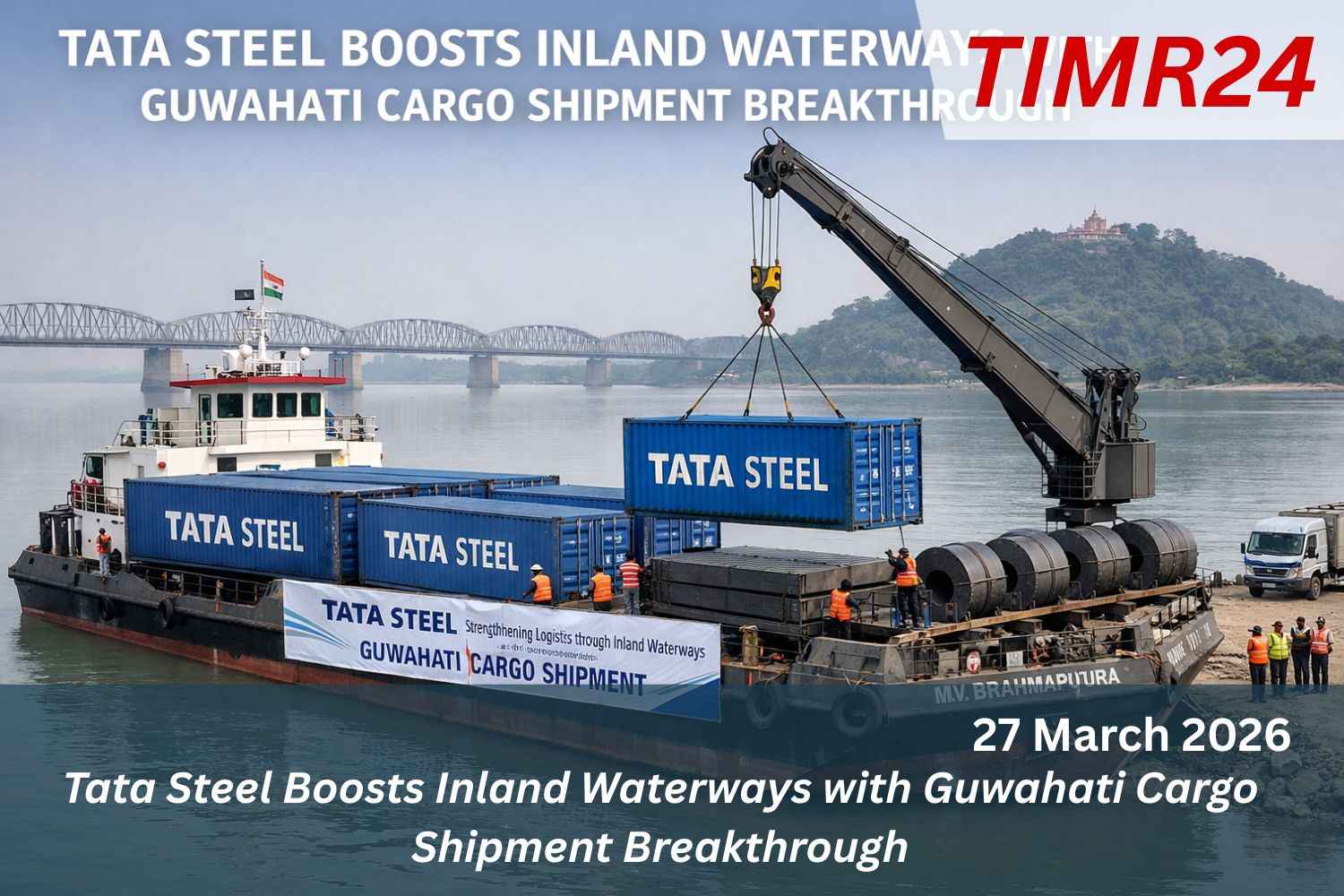











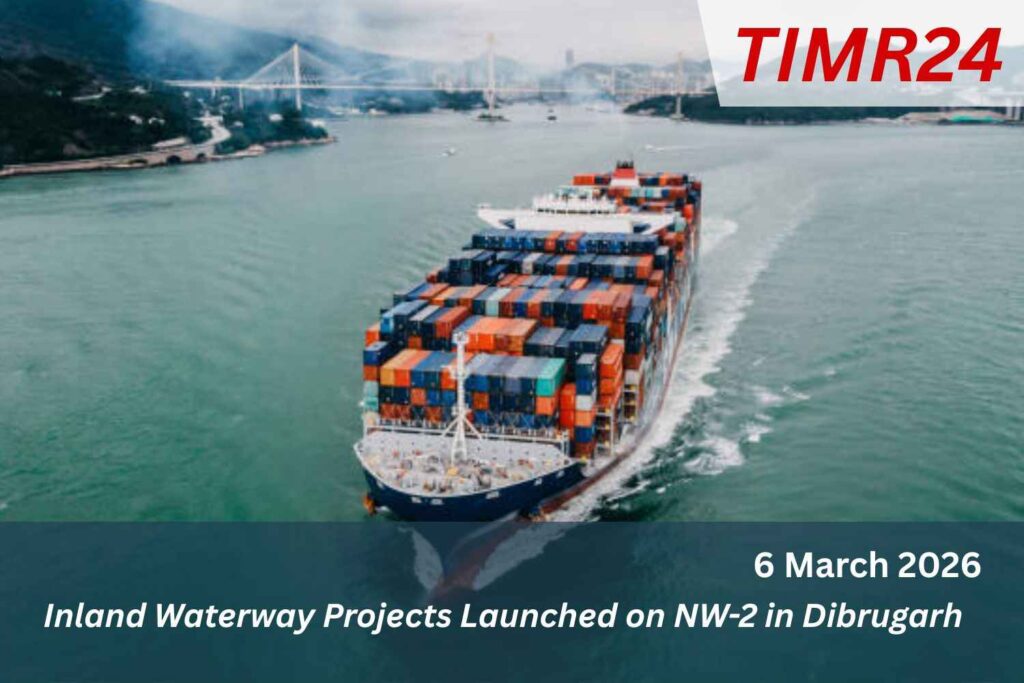
Union Minister Sarbananda Sonowal inaugurated three inland waterways projects in Dibrugarh on National Waterway-2 (River Brahmaputra) to enhance logistics, trade, and tourism in the Northeast. The projects include Customs and Immigration Complexes at Bogibeel and Dhubri, and a renovated IWAI Heritage Building. The Bogibeel complex is designed as a tourist-cum-cargo terminal, improving operational efficiency. The Dhubri complex aims to strengthen cross-border trade with Bangladesh and Bhutan. The IWAI Heritage Building will support NW-2 administrative functions and promote riverine tourism. These initiatives align with the National Waterways Act, 2016, to develop.
Efficient Transport Systems Has Brought
The Brahmaputra as a sustainable economic corridor and bolster regional growth India’s focus on developing sustainable and efficient transport systems has brought renewed attention to inland waterways, particularly in the northeastern region of the country. Recently, several new inland waterway projects were launched on National Waterway‑2 in Dibrugarh, marking another important step in strengthening river-based transportation across the Assam region. The development of these projects is expected to significantly improve cargo movement, logistics efficiency, and economic growth in Northeast India while also supporting environmentally friendly transport alternatives.
The launch of these projects was supported by the Inland Waterways Authority of India, the central agency responsible for managing and developing inland waterways across the country. The authority operates under the Ministry of Ports, Shipping and Waterways, which has been actively promoting inland water transport as a cost-effective and sustainable mode of transportation. The projects on National Waterway-2 focus on strengthening the navigation infrastructure along the Brahmaputra River, one of India’s most significant waterways for cargo and passenger movement National Waterway-2 stretches approximately 891 kilometers along the Brahmaputra River.
Connecting Sadiya in the eastern part of Assam to Dhubri near the India-Bangladesh border. This waterway is considered a strategic transport corridor for the Northeast region because it enables goods to move efficiently across multiple districts while connecting to international trade routes through Bangladesh. The newly launched projects aim to modernize the infrastructure along this corridor, ensuring safer navigation, better cargo handling facilities, and enhanced river transport services Dibrugarh has emerged as a key logistics hub within the National Waterway-2 network. The city already plays a vital role in Assam’s tea industry and regional trade, and improved.
River Transport By Industries Involved
Waterway infrastructure will further strengthen its position as an economic gateway for the northeastern states. The development of new terminals, cargo facilities, and navigation systems in Dibrugarh is expected to encourage greater use of river transport by industries involved in tea, petroleum products, coal, fertilizers, and agricultural commodities One of the primary goals of these inland waterway projects is to reduce dependence on road transport for heavy cargo. Transporting goods by waterways is often significantly cheaper and more energy efficient compared to road or rail transport. For instance, moving bulk goods through inland waterways requires.
Less fuel and produces fewer carbon emissions, making it a more sustainable option for large-scale logistics operations. By strengthening National Waterway-2, the government aims to shift a portion of freight traffic toward river transport, which can reduce congestion on highways and improve overall transport efficiency Another important aspect of these projects is the modernization of river navigation infrastructure. The Inland Waterways Authority of India has been working on advanced navigation systems, dredging operations, and river channel maintenance to ensure safe movement of vessels throughout the year. Seasonal fluctuations in river depth have historically posed.
Building Modern River Terminals Equipped
Challenges for navigation in the Brahmaputra River. However, improved river management technologies and dredging operations are expected to address these challenges and make waterway transport more reliable The projects also focus on building modern river terminals equipped with cargo handling systems, storage facilities, and passenger amenities. Such infrastructure will allow cargo vessels to load and unload goods more efficiently, thereby reducing delays and operational costs for logistics companies. These terminals will also support passenger ferry services in the future, improving connectivity between remote riverbank communities that often lack reliable road infrastructure.
The economic impact of improved inland waterways infrastructure could be substantial for Assam and the broader Northeast region. Enhanced logistics connectivity can attract new investments in manufacturing, agriculture processing, and trade. Industries that rely heavily on bulk transportation, such as cement production, fertilizer distribution, and petroleum supply chains, are likely to benefit significantly from cheaper river transport options. The improved connectivity may also support the export of Assam’s famous tea products to global markets more efficiently Beyond economic benefits, inland water transport also supports environmental sustainability.
Important Priority Expanding The Use Of Inland Waterways
Compared with road transport, waterway transport produces lower greenhouse gas emissions per tonne-kilometer of cargo. As India continues to expand its infrastructure network, balancing economic growth with environmental protection has become an important priority. Expanding the (India) use of inland waterways aligns with national efforts to develop greener transportation systems while maintaining strong economic growth The strategic importance of National Waterway-2 extends beyond domestic trade as well. Because the Brahmaputra River connects with waterways in Bangladesh, it offers opportunities for international cargo movement under bilateral agreements between India and Bangladesh.
This connectivity can provide alternative trade routes for northeastern states, which often face logistical challenges due to their geographical location. Improved waterway infrastructure in Assam may therefore strengthen regional trade connectivity and support cross-border commerce The government has been investing heavily in inland waterways development in recent years. Several national waterways across India are currently being upgraded with modern infrastructure, digital navigation systems, and improved cargo handling facilities. These efforts are part of a broader national strategy to diversify transport networks and reduce logistics costs across the country.
According to government estimates, increasing the share of inland water transport could significantly reduce freight costs and improve supply chain efficiency Dibrugarh’s growing role in the National Waterway-2 network demonstrates how regional infrastructure investments can transform local economies. By connecting industries, trade routes, and logistics services through the Brahmaputra River, the new projects aim to create a more integrated transportation system for Northeast India. Improved waterways infrastructure may also promote tourism activities along the river, offering opportunities for river cruises and eco-tourism initiatives in the future.
Infrastructure Maintenance, Technological Upgrades
As these inland waterway projects begin operations, their long-term success will depend on continuous infrastructure maintenance, technological upgrades, and coordination between central and state agencies. Collaboration between government bodies, logistics companies, and local communities will be essential to ensure that the waterway system operates efficiently and benefits the wider regional economy.
The launch of new projects on National Waterway-2 in Dibrugarh therefore represents more than just an infrastructure upgrade. It reflects a broader vision to unlock the (India) economic potential of India’s river systems while supporting sustainable and cost-effective transport solutions. By strengthening inland waterways in Assam and across the Northeast, India is moving closer to building a modern, integrated, and environmentally responsible logistics network for the future.
Q1. What is National Waterway-2?
National Waterway-2 is a major inland water transport route on the Brahmaputra River in Assam, stretching from Sadiya to Dhubri.
Q2. Why were the inland waterway projects launched in Dibrugarh?
The projects aim to enhance cargo transportation, improve regional connectivity, and strengthen trade routes in Northeast India.
Q3. Which authority manages inland waterways in India?
The Inland Waterways Authority of India (IWAI) manages and develops national waterways across the country.
Q4. How will NW-2 benefit Assam’s economy?
It will improve logistics efficiency, reduce transportation costs, and support industries such as tea, coal, and agriculture.
Q5. What types of infrastructure are included in these projects?
Projects include modern river terminals, navigation facilities, cargo handling systems, and improved river channel infrastructure.